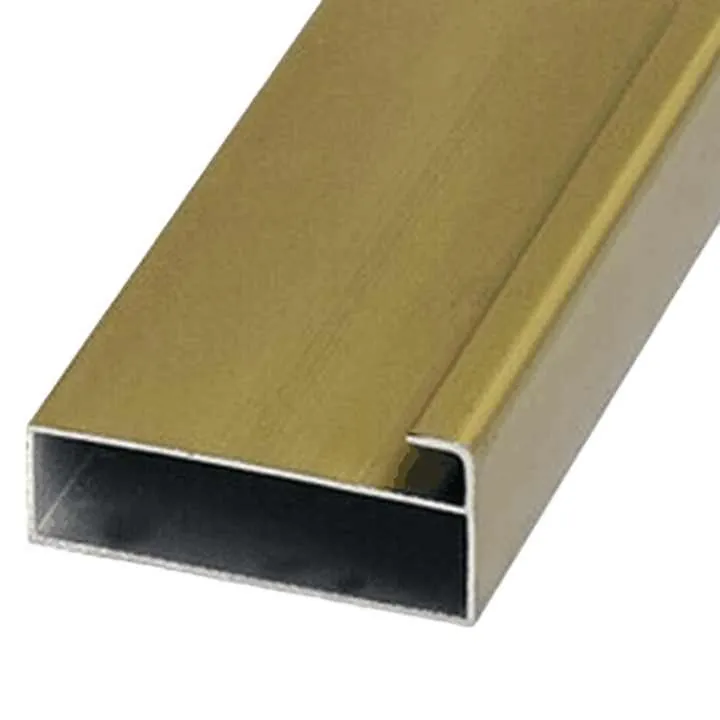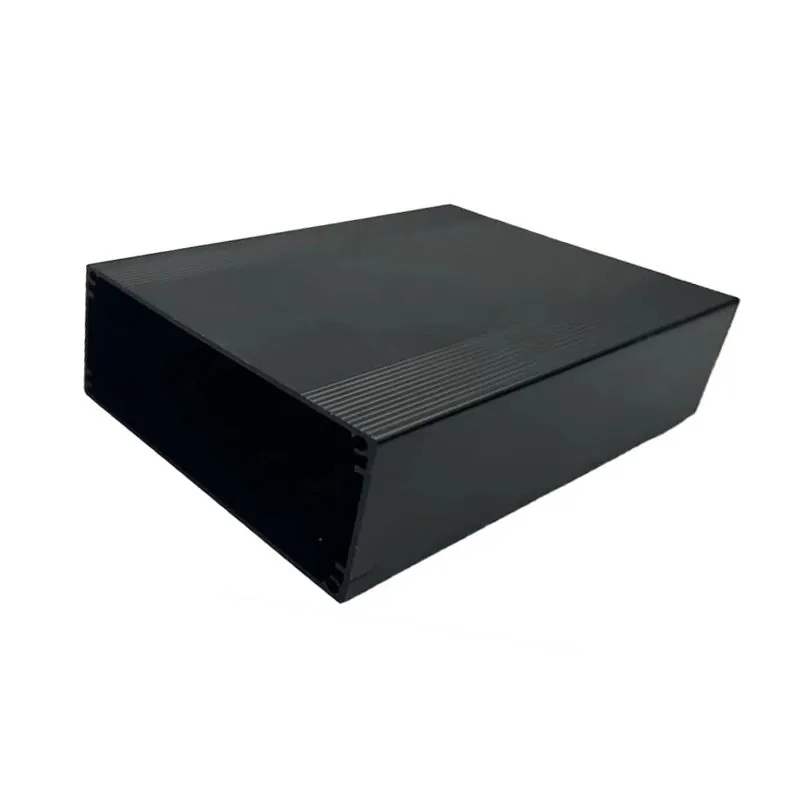
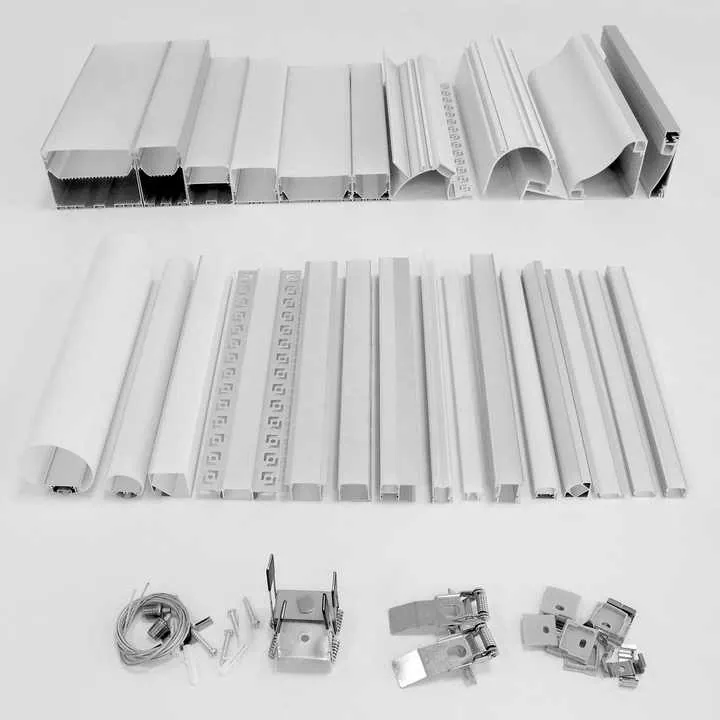
Many people think cutting metal or plastic needs a big machine with heavy tools. But laser cutting does it differently—clean, precise, and fast.
CNC laser cutting is a technology that uses a focused laser beam controlled by computer commands to cut or engrave materials with high accuracy.
Laser cutting blends speed and accuracy. But what makes this technology so powerful? In this article, we break it down in simple terms.
How does CNC laser cutting work?
Many people hear "laser" and imagine sci-fi movies. But in real factories, lasers do serious work, slicing through metal like butter.
CNC laser cutting works by directing a powerful laser beam onto a material. A computer guides the laser's path, allowing precise shapes and cuts.
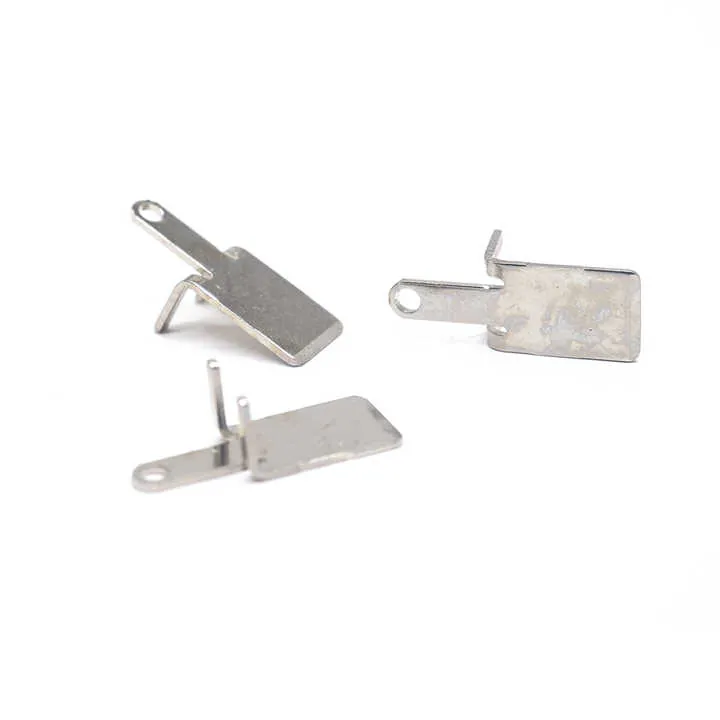
CNC stands for “Computer Numerical Control.” This means a computer sends exact instructions to the laser machine. These instructions tell the laser where to move, how fast to go, and how much power to use.
The laser beam is generated by exciting a gas (like CO2) or using fiber optics. This beam is then focused through a lens to a very small point. The concentrated energy heats, melts, or vaporizes the material along the path.
Main steps in CNC laser cutting:
| Step | Description |
|---|---|
| 1. Design | CAD software creates a digital layout. |
| 2. Programming | The design is converted into machine code (G-code). |
| 3. Setup | Material is placed on the bed, laser parameters are adjusted. |
| 4. Cutting | The laser follows the code, cutting or engraving the design. |
This method is contact-free. The laser doesn't touch the material, which means less wear and tear on tools. This helps maintain quality and lowers maintenance.
Types of CNC lasers:
| Laser Type | Description | Best For |
|---|---|---|
| CO2 Laser | Uses gas mixture | Non-metal materials like wood, acrylic |
| Fiber Laser | Uses optical fiber | Metals like steel, aluminum |
| Nd:YAG | Crystal-based | High-precision tasks |
Different types of lasers serve different materials and purposes. That’s why choosing the right one matters, especially in industries like ours where aluminum requires high-speed, clean cuts.
Why use lasers for cutting and engraving?
Traditional cutting tools wear out, break, or leave rough edges. But lasers? They leave smooth edges and don't even touch the surface.
Lasers offer unmatched precision, speed, and flexibility for both cutting and engraving. They work fast, reduce waste, and can handle complex patterns easily.
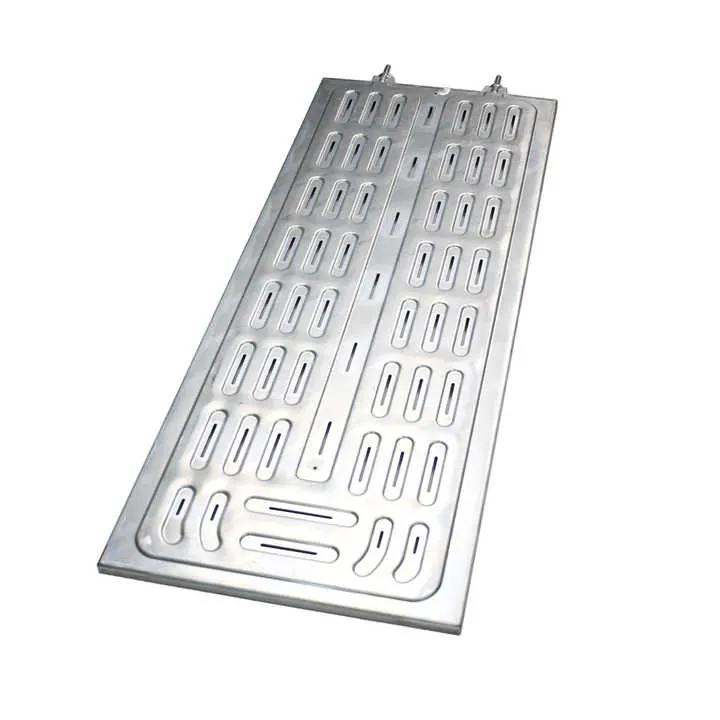
Laser cutting is different from saws or drills. It doesn't push against the material. Instead, it heats and removes material with pinpoint accuracy. This means no cracking, no chipping, and no warping.
Key advantages:
- Accuracy: Can cut within a fraction of a millimeter.
- Consistency: Repeats the same cut again and again without error.
- Speed: Much faster than manual cutting or mechanical tools.
- Clean finish: No need for extra polishing or smoothing.
- Flexible design: Easily switch between shapes and materials.
Engraving works the same way, but instead of cutting through, the laser lightly marks the surface. This is great for logos, labels, or decorative elements.
Cost vs Benefit
Yes, laser machines cost more upfront. But the long-term savings from reduced labor, lower waste, and faster output make it a smart investment.
In industries like automotive, electronics, or custom manufacturing, this matters a lot. When we use CNC laser, we’re not just cutting—we’re adding value with every beam.
Which materials suit CNC laser cutting?
Some people think lasers only cut metal. But the truth is, lasers handle many materials—each with its own use and effect.
CNC lasers can cut or engrave metal, plastic, wood, fabric, and even glass—depending on the laser type and power level.
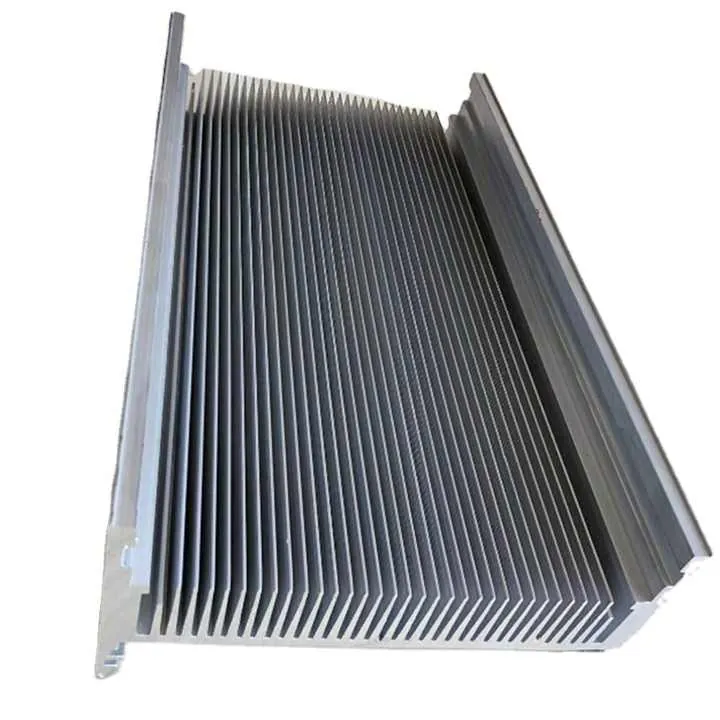
Different lasers are suited to different jobs. CO2 lasers are better for non-metal materials. Fiber lasers shine when cutting metals.
Common Materials:
| Material | Suitable Laser | Notes |
|---|---|---|
| Aluminum | Fiber | High-reflective, needs high power |
| Steel | Fiber | Cuts clean and fast |
| Acrylic | CO2 | Smooth, polished edge after cut |
| Wood | CO2 | Good for engraving and cutting |
| Plastic | CO2 | Needs proper ventilation |
| Glass | CO2 | Can engrave, not cut through easily |
Each material behaves differently. Metals conduct heat, so they need higher precision. Plastics can melt or burn if not handled correctly. That’s why laser parameter settings matter a lot.
Factors that affect results:
- Material thickness: Thicker materials need more power.
- Color and reflectivity: Reflective materials like aluminum need extra care.
- Surface coating: Painted or treated surfaces may affect engraving clarity.
In our aluminum profile manufacturing, especially for architectural and solar applications, we use fiber lasers for precise, oxidation-free cuts. This keeps the edges clean, which saves time in later processes.
Where is CNC laser cutting commonly used?
Walk into a car factory, a phone plant, or a custom gift shop—you’ll find CNC laser machines quietly at work.
CNC laser cutting is widely used in automotive, aerospace, electronics, signage, medical devices, and industrial manufacturing.
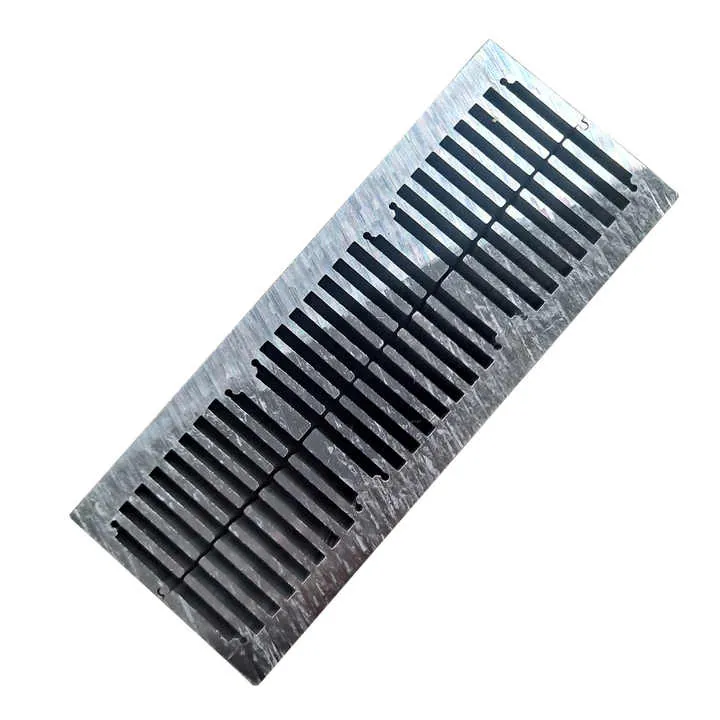
This technology fits anywhere high precision, repeatable design, and clean finishes are needed. From tiny circuit boards to large metal panels, laser cutting adapts.
Common Industries:
| Industry | Use Case |
|---|---|
| Automotive | Cutting metal panels, engraving VINs |
| Aerospace | Making lightweight parts with tight tolerances |
| Electronics | Cutting enclosures, marking components |
| Architecture | Creating decorative panels, window frames |
| Medical | Surgical tools, implant parts |
| Advertising | Making signs, logos, displays |
Why it fits so many uses:
- Scalable: Works for both small jobs and mass production.
- Custom-friendly: Quickly changes design without changing tools.
- Low waste: Maximizes use of material with smart nesting.
- Fast turnaround: Ideal for industries with tight deadlines.
In our own projects, especially when we supply aluminum profiles for construction and solar industries, we often use CNC lasers to create custom slots, holes, or surface marks. This allows clients to install parts faster without extra modifications.
Conclusion
CNC laser cutting combines computer precision with the power of light to create clean, fast, and flexible cuts. It's a tool that changes how we work with materials—from aluminum to plastic, from mass production to custom design.