Machining used to mean working with hands, heavy tools, and a lot of guesswork. Now, digital control has taken over, and factories rely on machines that never get tired or make random errors.
CNC machining is a manufacturing process where computer software controls machine tools to cut and shape raw material into finished parts with high accuracy.
This process is now a standard in metalworking, plastic shaping, and precision engineering. Let's dive into how it works and why it matters.
How does the CNC machining process work?
In manual machining, a skilled operator moves tools by hand to shape the workpiece. This takes time and depends heavily on experience. CNC changes everything by turning those actions into code.
CNC machining starts with a 3D model, which is converted into G-code that directs the machine’s tools to follow exact paths and depths.
Step-by-step breakdown of the CNC process
1. CAD Design
It starts with a CAD (Computer-Aided Design) file. This is a 3D model of the final part. Engineers use software like SolidWorks or AutoCAD to draw the design.
2. CAM Programming
Next, CAM (Computer-Aided Manufacturing) software converts the model into instructions. This includes tool paths, cutting speeds, and depth settings. The result is a G-code file.
3. Machine Setup
Operators set up the CNC machine. This includes clamping the material, loading the correct tools, and uploading the G-code.
4. Machining Begins
The machine follows the G-code. Motors move the tool or the part across axes (X, Y, Z). Some machines have more axes for advanced shaping.
5. Finishing
Some parts need extra steps like deburring, polishing, or heat treatment. These can be done manually or in other automated steps.
Common tools used in CNC
| Tool Name | Function |
|---|---|
| End mill | Cuts flat and contoured surfaces |
| Drill bit | Makes holes of various sizes |
| Lathe tool | Shapes round objects on rotating parts |
| Tap tool | Cuts threads inside holes |
The process is fast, consistent, and highly repeatable — perfect for industries that need thousands of identical parts.
Why is CNC machining so precise?
Factories around the world trust CNC to make parts for engines, machines, and even medical tools. That trust comes from one thing — accuracy.
CNC machines achieve high precision because they are controlled by software, use fine-tuned motors, and repeat the same motion exactly every time.
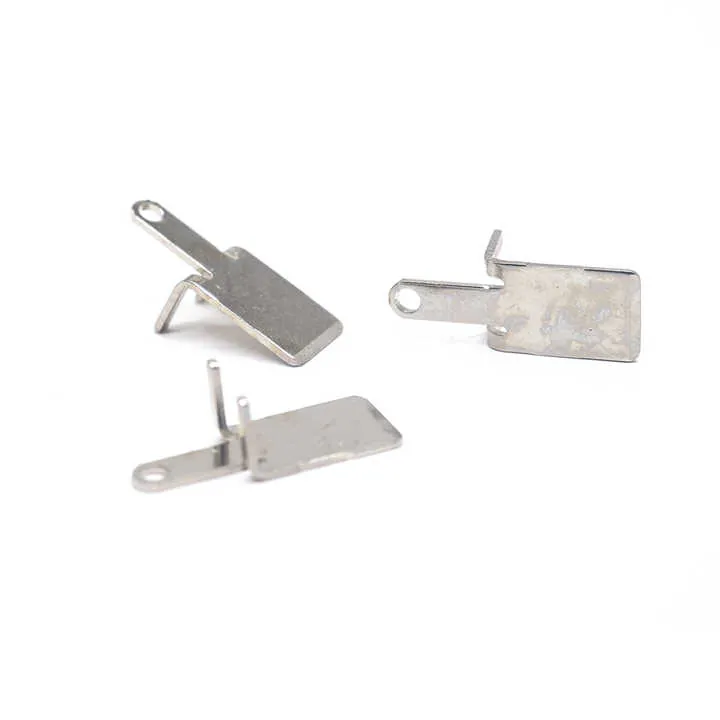
Key reasons behind CNC accuracy
1. Digital Control
Each move is calculated down to microns. There’s no guessing or eye-measuring. Once programmed, the machine repeats the same cut perfectly.
2. Servo Motors
High-end CNC machines use servo motors that offer tight control over speed and position. They correct tiny errors in real time.
3. Rigid Machine Frames
CNC machines are heavy and stable. This reduces vibration during cuts, which can throw off dimensions in manual setups.
4. Feedback Systems
Many machines use feedback loops (encoders, sensors) that constantly check the position of the tool. This ensures every step matches the plan.
5. Advanced Tooling
The cutting tools themselves are made of durable materials like carbide or coated steel. They stay sharp longer and resist wear.
CNC accuracy benchmarks
| Feature | Typical Precision Level |
|---|---|
| Milling machine | ±0.005 mm (0.0002 in) |
| CNC lathe | ±0.01 mm (0.0004 in) |
| High-end 5-axis machine | ±0.002 mm (0.00008 in) |
Consistency is just as important
Not only is each part accurate, but all parts match each other. This level of repeatability is why CNC is used in aircraft, medical, and high-performance applications.
Which tasks are best suited for CNC machining?
Some projects need tight tolerances. Others need to be made from tough materials like titanium or steel. These jobs are where CNC shines the most.
CNC machining is best for creating high-precision, repeatable parts from metal or hard plastic, especially when strength, fit, and finish are critical.
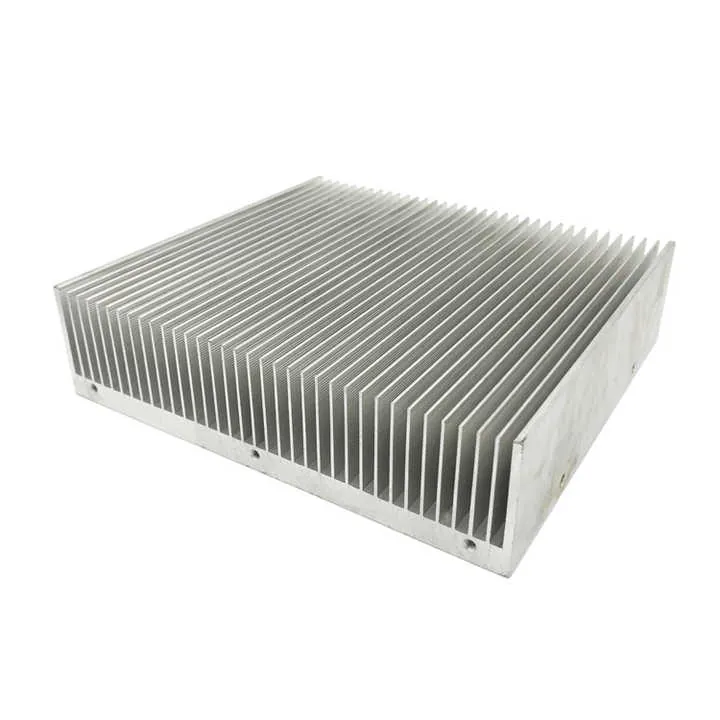
Ideal CNC machining tasks
1. Functional Mechanical Parts
Brackets, shafts, housings — anything that has to fit or support other parts.
2. High-Strength Components
Parts used in engines, gearboxes, or pressure systems where safety matters.
3. Low to Mid-Volume Production
Perfect for 10 to 10,000 units. You don’t need to build expensive molds like injection molding requires.
4. Complex Geometries
With 5-axis machining, undercuts and curved surfaces are easy to make.
Common CNC products
| Product Type | Industry | Material Used |
|---|---|---|
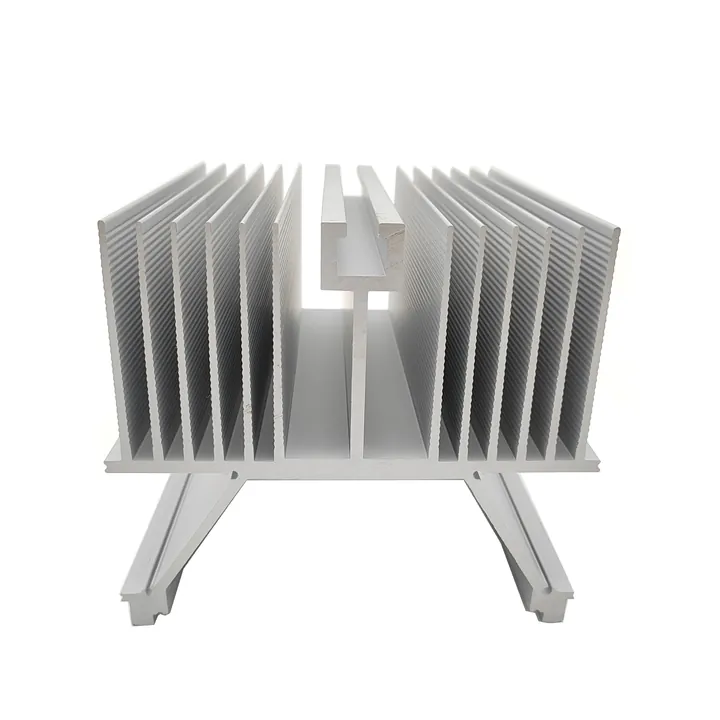
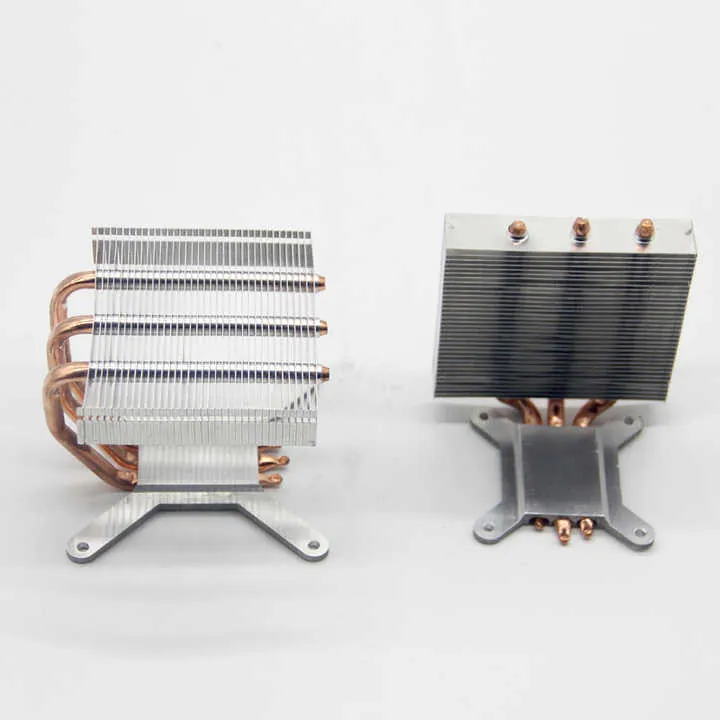
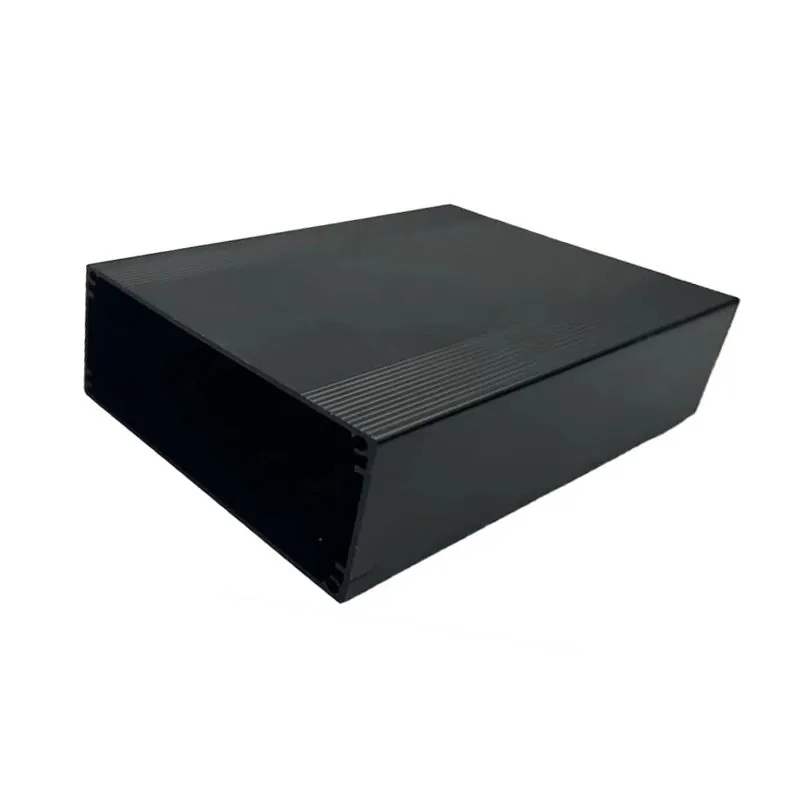
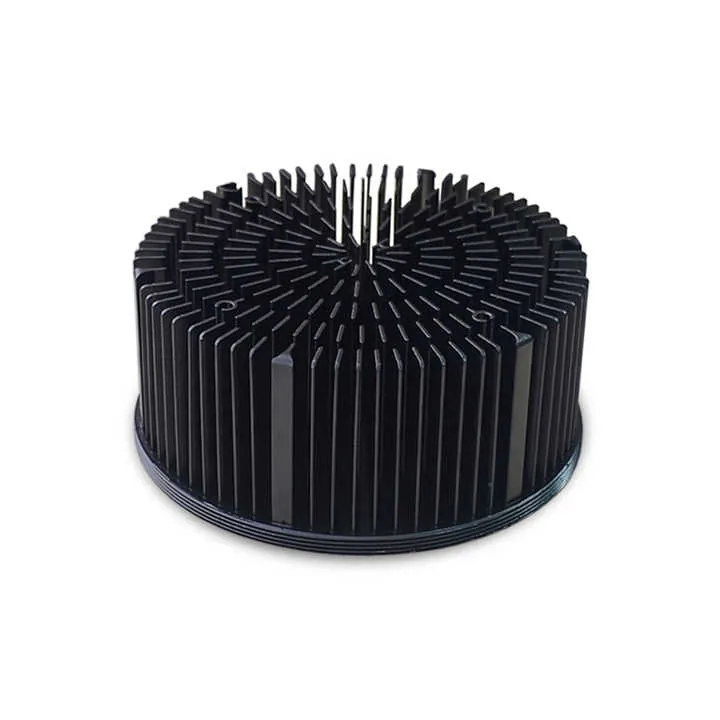
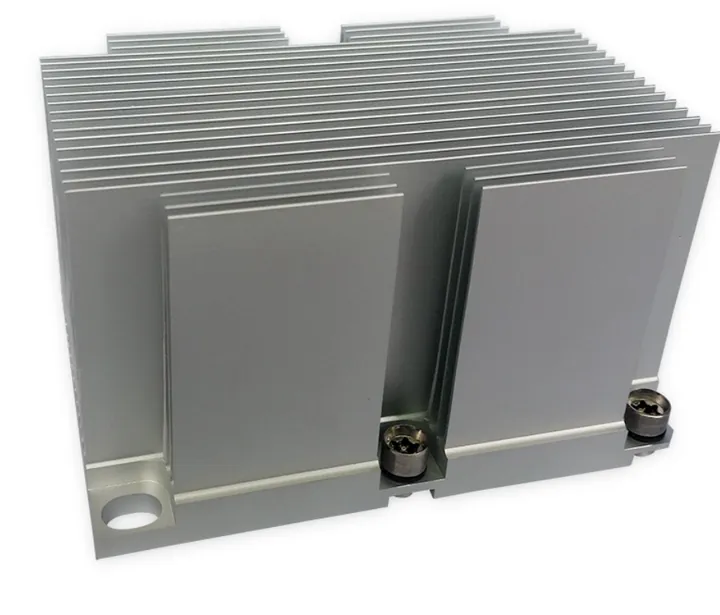
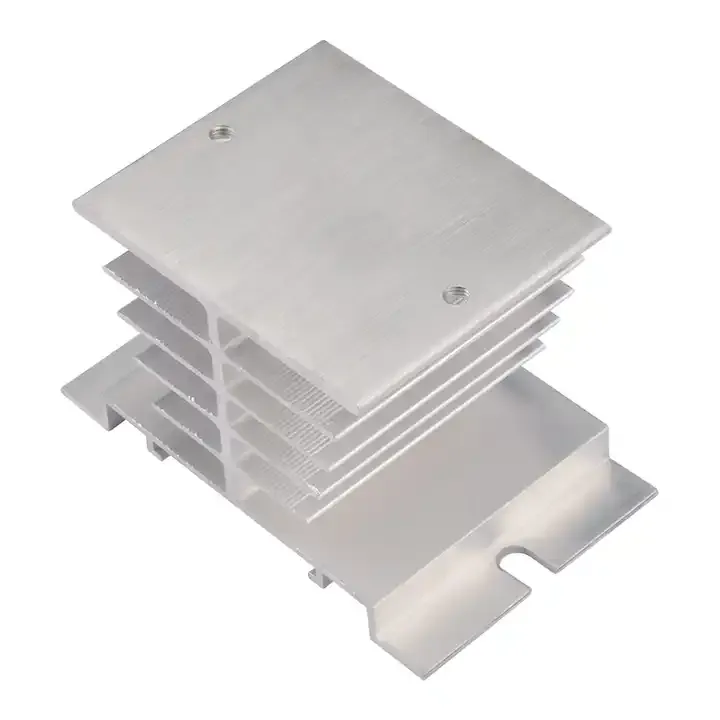
| Heat sinks | Electronics | Aluminum |
| Piston components | Automotive | Steel or brass |
| Surgical instruments | Medical | Stainless steel |
| Enclosures | Aerospace | Titanium |
CNC is not ideal for soft or flexible materials, nor for items like rubber seals or cloth. But for strong, exact parts — it’s unmatched.
Where is CNC machining used?
CNC machining is everywhere — from the tiny screws in your phone to the huge engine parts in a jet. It serves any industry that demands strength, detail, and accuracy.
CNC machining is used in aerospace, automotive, medical, electronics, energy, and more — any field that requires precision components made from metal or hard plastics.
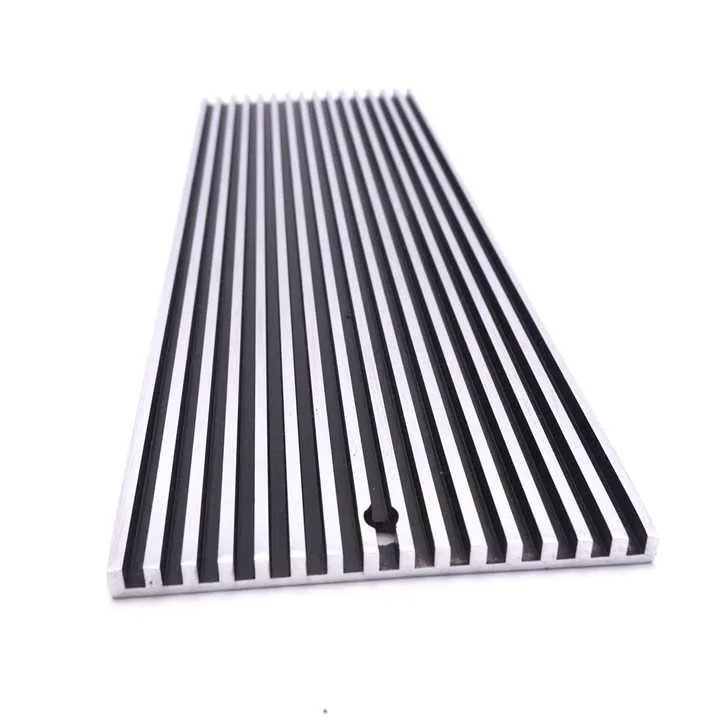
Industries relying on CNC
Aerospace
Every part must meet strict standards. CNC makes turbine blades, brackets, and housing with exact tolerances.
Automotive
Car frames, gearbox parts, and engine blocks are cut with CNC. It's fast and supports mass production.
Medical
Implants, joint replacements, and tools are often custom-cut for each patient.
Electronics
CNC mills aluminum housings and heat-dissipating parts. It also makes molds for plastic shells.
Energy
CNC shapes parts for wind turbines, oil tools, and nuclear systems.
| Industry | CNC Use Case |
|---|---|
| Aerospace | Structural and internal aircraft parts |
| Automotive | Mass production of engine components |
| Medical | Custom implants and surgical tools |
| Consumer Goods | Molds, casings, bike parts |
| Robotics | Arm joints, brackets, grippers |
Even artists and designers use CNC for furniture, signs, and sculptures. It’s no longer just an industrial tool — it's part of creative industries too.
Conclusion
CNC machining is a precise, computer-driven process that turns raw material into exact parts. It offers unmatched accuracy, consistency, and flexibility — making it essential for modern manufacturing.