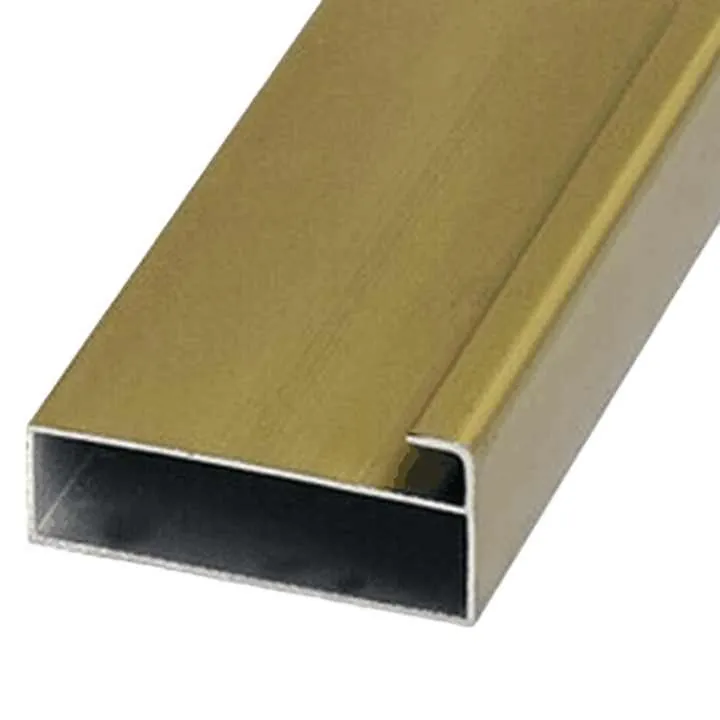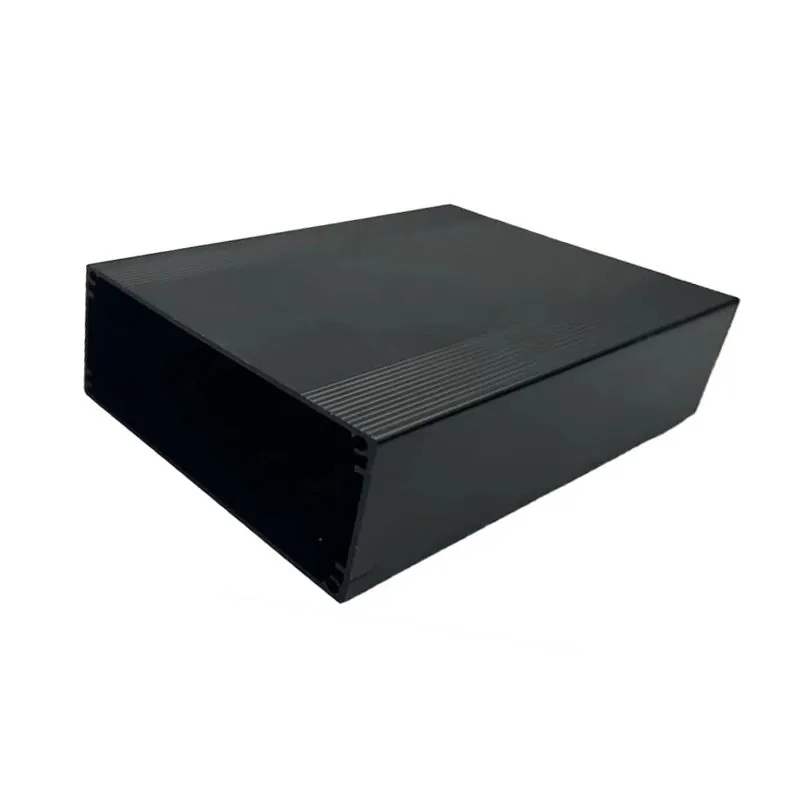
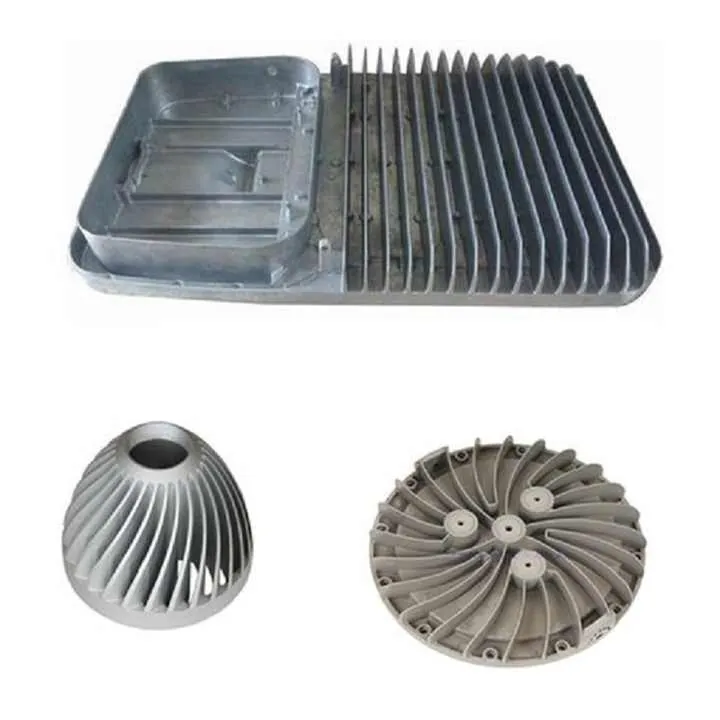
CNC milling sounds complex, but it's something that shapes the modern world quietly in the background. Many parts we use daily are touched by this process.
CNC milling is a computer-controlled machining method that removes material from a solid block to create custom-shaped parts with high accuracy.
It's the backbone of precision in today’s manufacturing world. Without it, producing consistent, complex parts would be slow and full of errors.
How does CNC milling work?
CNC milling might sound like something only engineers understand. But once broken down, it's much simpler than it first seems. Think of it as carving—but with computers and extreme accuracy.
CNC milling works by guiding cutting tools to move in different directions, using computer code to remove material from a block until the desired shape is formed.
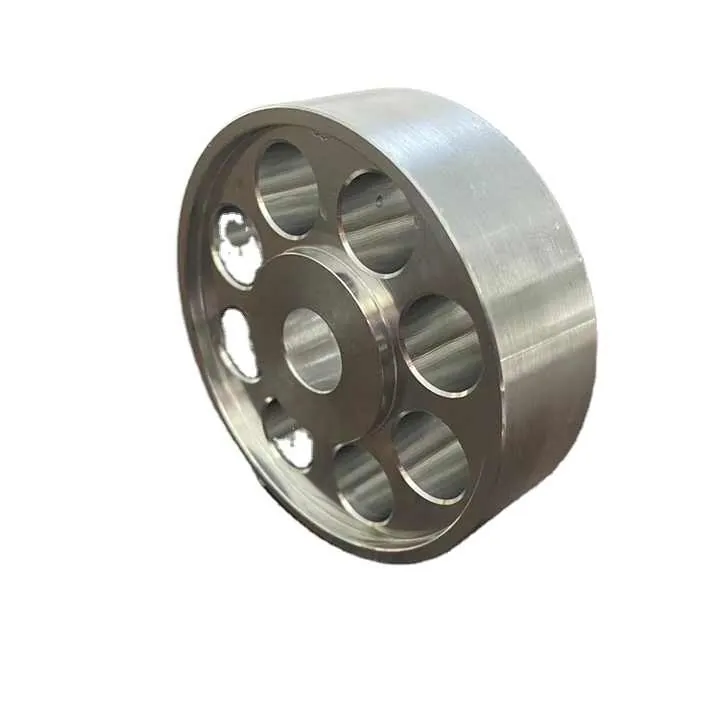
The core of CNC milling lies in its name: Computer Numerical Control. A designer first creates a part using CAD (Computer-Aided Design) software. Then, CAM (Computer-Aided Manufacturing) software converts that design into G-code. This is a language the CNC machine understands. It tells the machine where and how to move.
Steps in the CNC milling process:
| Step | Description |
|---|---|
| 1. CAD Design | The part is first designed using 3D software. |
| 2. CAM Conversion | The design is converted into G-code instructions. |
| 3. Machine Setup | The material is fixed in place, and tools are chosen. |
| 4. Milling | The CNC machine follows the G-code to cut the part. |
| 5. Finishing | After cutting, the part may need polishing or coating. |
Most machines can move along 3 to 5 axes. This allows the tool to reach different angles and shapes that are hard to achieve manually.
Common CNC milling movements:
- X-axis: left to right
- Y-axis: front to back
- Z-axis: up and down
- A/B axes: rotation movements for more complex designs
This combination of movements and precision allows us to make everything from smartphone frames to airplane parts.
Why use CNC milling for precise parts?
When it comes to parts that need to fit perfectly, even a small error can cause big problems. That’s why many industries turn to CNC milling to get things right.
CNC milling is ideal for precision parts because it delivers consistent, repeatable results with very tight tolerances—even for complex geometries.
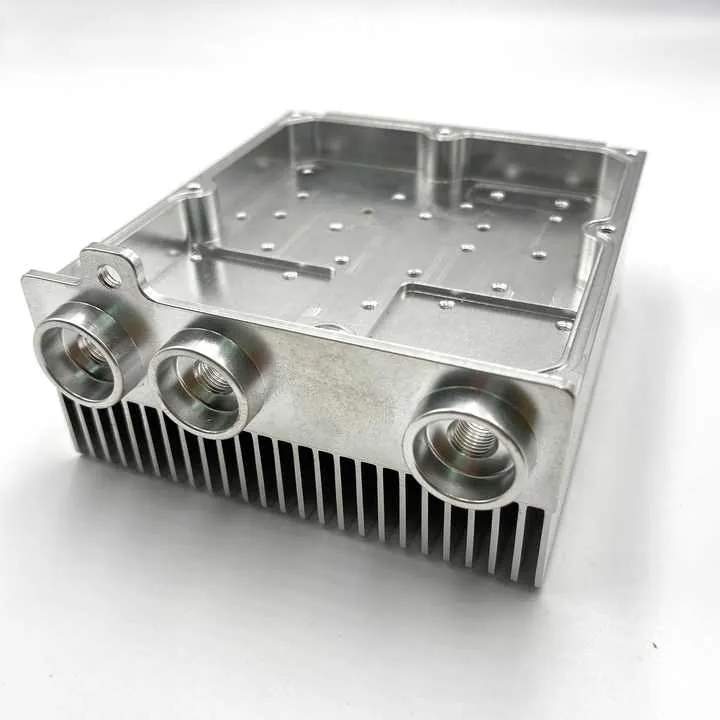
Manual processes can’t match this level of repeatability. Once the CNC machine has the right instructions, it can produce hundreds or thousands of identical parts without losing accuracy.
Advantages of CNC milling for precision:
1. High accuracy
Most CNC milling machines can achieve tolerances as tight as ±0.005 mm. For industries like aerospace or medical devices, such accuracy is not just nice to have—it’s critical.
2. Repeatability
Whether it’s the first part or the 10,000th, CNC ensures they’re all the same.
3. Complex shapes
Some parts need curved surfaces, slots, holes at odd angles. These are very hard to do by hand, but easy with multi-axis milling.
4. Smooth finishes
CNC machines use sharp tools and steady motion. This leads to parts with clean edges and polished surfaces, reducing the need for extra finishing steps.
5. Fewer human errors
Since the process is automated, there’s less chance of mistakes due to fatigue, measurement errors, or miscalculations.
Real-world examples:
| Industry | Example of Precise Part | Reason for CNC Use |
|---|---|---|
| Medical | Surgical implants | Need perfect fit and biocompatibility |
| Aerospace | Turbine components | Must perform under high stress |
| Automotive | Engine blocks | Requires accuracy for performance |
| Electronics | Phone frames | Tight assembly tolerances |
Which materials are best suited for CNC milling?
Not all materials are equal when it comes to machining. Some are too soft, others too hard. Choosing the right one depends on the part’s use and how much wear it will face.
The best materials for CNC milling are aluminum, steel, brass, titanium, and various plastics, depending on the strength, weight, and thermal needs of the final product.
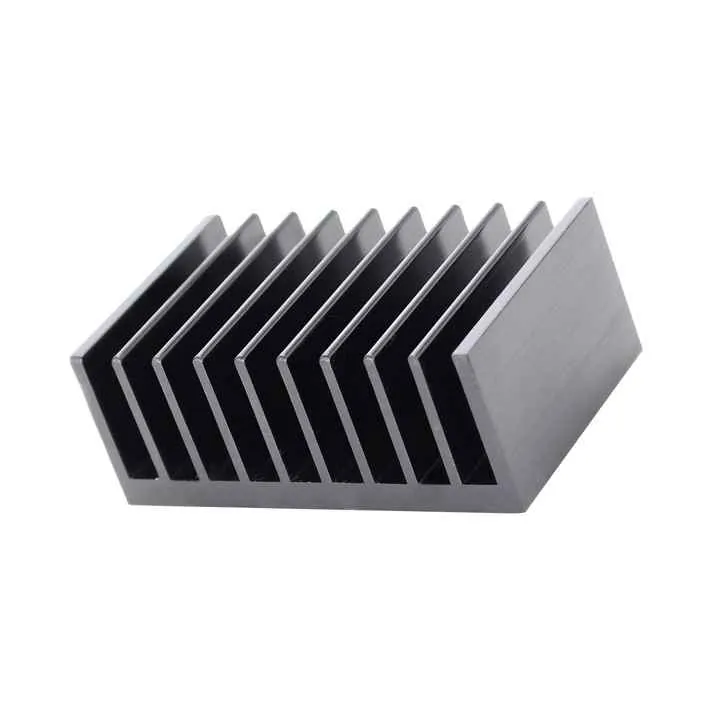
Commonly used materials in CNC milling:
1. Aluminum
- Lightweight and easy to machine
- Great for aerospace, automotive, electronics
- Popular grades: 6061, 7075
2. Stainless Steel
- Strong, corrosion-resistant
- Used in medical, food processing, and industrial parts
- Requires slower machining speeds
3. Brass
- Soft and easy to cut
- Often used for decorative or plumbing parts
- Excellent surface finish
4. Titanium
- Extremely strong but hard to machine
- Used in aerospace, military, and medical implants
5. Plastics
- Examples: ABS, Nylon, PEEK
- Lightweight, cost-effective
- Used in prototypes and electrical insulation
How to choose the right material:
| Factor | Consideration |
|---|---|
| Strength | Will the part face heavy loads or stress? |
| Weight | Is weight reduction important (e.g., drones, vehicles)? |
| Corrosion Resistance | Will it be used outdoors or in water? |
| Cost | Is the project budget sensitive? |
| Appearance | Is surface finish or color important? |
Some projects may use multiple materials. For example, aluminum for the main structure and plastic for covers or insulators.
Tips for material selection:
- Always consider how the part will be used.
- Consult with a machinist or supplier early in the design process.
- Test with prototypes if needed, especially for critical applications.
Where is CNC milling applied?
Many people are surprised to learn how many industries rely on CNC milling. It’s not just for factories—it's behind products in our homes, hospitals, cars, and even in space.
CNC milling is used across industries like aerospace, automotive, medical, electronics, construction, and consumer products to create high-precision components.
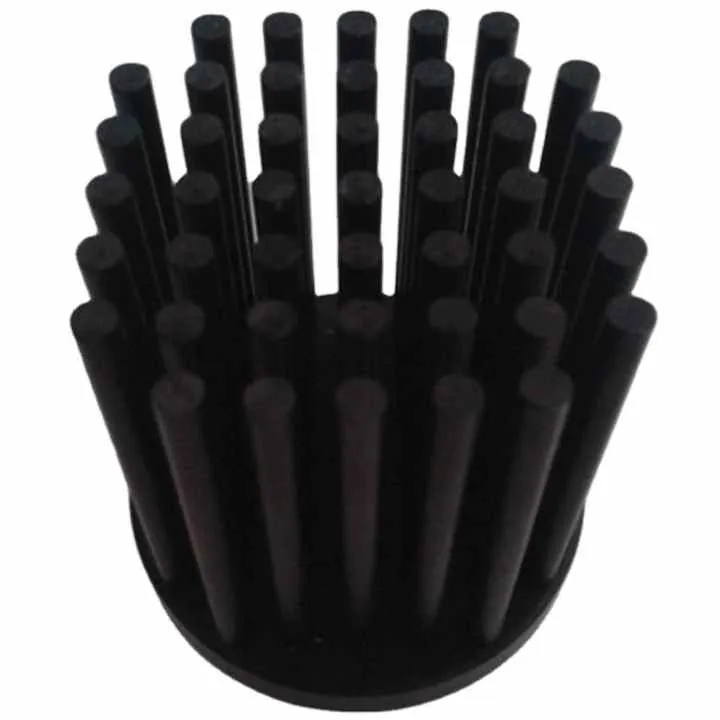
Key application areas:
1. Aerospace
- Parts must be light and extremely strong
- Examples: wing structures, turbine blades, brackets
- CNC ensures safety-critical tolerances
2. Automotive
- Engines, gearboxes, chassis parts
- CNC milling helps reduce vehicle weight and improve performance
3. Medical
- Bone implants, surgical tools, dental components
- High precision and biocompatibility are key
4. Consumer Electronics
- Phone cases, laptop frames, camera housings
- Need perfect fit and high-end finish
5. Robotics and Automation
- Robot arms, joints, custom fixtures
- CNC makes it easy to scale custom designs
6. Construction and Architecture
- Structural brackets, aluminum panels, custom fittings
- Especially important for complex or high-rise buildings
Growing applications:
As 3D printing grows, CNC milling is often used alongside it. For example, a part might be 3D printed, then milled to achieve tighter tolerances or a smoother surface.
Also, renewable energy sectors—like wind and solar—are using more CNC parts. For example, solar panel aluminum frames or wind turbine components that must last for decades.
Conclusion
CNC milling is more than just a manufacturing method—it's a foundation of modern industry. It combines precision, speed, and flexibility, helping countless sectors produce better, safer, and more reliable products.