Milling seems simple. But many people misunderstand what CNC milling really does. That can cause mistakes when picking processes.
CNC milling uses a rotating tool to cut away material along controlled paths, shaping workpieces precisely from metal, plastic, or wood.
Now you will see how milling works, why it brings precision, which parts suit it, and where it is used often.
How does CNC milling remove material?
Milling removes material by rotating a cutter and shaving off layers. The cutter moves along defined paths to shape the workpiece.
CNC milling removes material by spinning cutting tools and moving them along programmed paths to cut away waste accurately.
When CNC milling starts, the machine locks the material firmly. Then it brings a rotating tool close. The tool spins fast. It touches the surface and chips off small bits. The movement is precise. The tool can move side to side, up and down, or diagonally. The program defines all moves. That allows the machine to remove only needed parts. The machine can shape flat surfaces, slots, holes, contours, pockets, or complex 3D shapes.
How cutting works step by step
- The CNC code defines the path and depth.
- The tool spins at high speed.
- The tool moves into the material.
- Material chips break off.
- The tool moves away or changes path.
The chips often go into a chute or are blown away by coolant or air. Coolant helps prevent heat build‑up. That avoids damage.
Tools and strategies
Different tools achieve different results. Some tools have many cutting edges. Others have only one or two. Some tools remove a lot of material fast (roughing). Others remove little material slowly for fine finish (finishing).
| Tool type | Use case | Advantage |
|---|---|---|
| Roughing end mill | Quick removal of bulk material | Fast cutting, high rate |
| Finishing end mill | Final surface shaping | Smooth surface, tight detail |
| Ball‑nose cutter | Curved surfaces, 3D shapes | Clean contours, gentle finish |
| Face mill | Flat large surfaces | Efficient for wide surfaces |
| Drill bit (CNC lathe) | Holes or pockets | Accurate hole placement |
This table shows common cutter types and when to use each.
The movement and cutting pattern follow a digital model or CAD drawing. The CNC controller reads G‑code. Then the milling machine moves axes (X, Y, Z and sometimes more). The tool removes material precisely along the axes. That precision comes from digital math, not human hand.
Because milling relies on machine accuracy and rigid setup, it can reach tight tolerances. That makes milling reliable for many materials and shapes.
Therefore, CNC milling removes material by combining spinning cutters, controlled motion, tool choice, and stable work holding. This process gives control over shape, size, and finish quality.
Why select milling for precision?
Some methods do rough shaping or bending. Those may work for simple pieces. But when you need close fits or smooth finish, milling stands out.
Milling gives high precision because a computer controls every move, and cutting tools follow exact paths.
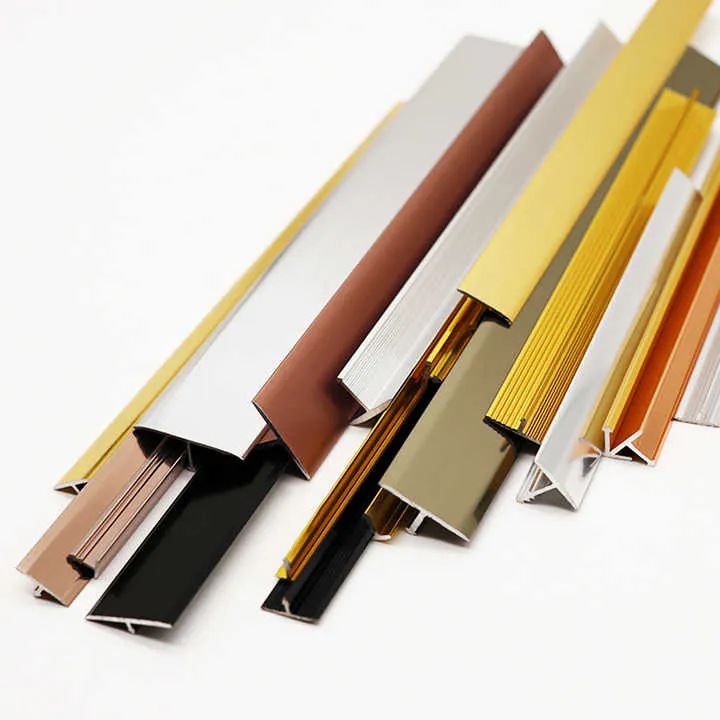
Milling reaches precision because the machine does small, exact cuts. The computer calculates a path with decimals. The cutter moves in tiny steps. Humans cannot match that by hand. The clamps hold the part tightly. The tool path stays consistent. That avoids slip or error.
Why precision matters
For many products, parts must match tight specs. Holes must align. Surfaces must be flat. Edges must be smooth. Even slight variation may break assemblies or cause part failure. Milling reduces variation.
When the same part is made many times, each one comes out nearly identical. That lowers scrap. That lowers quality control time. That improves reliability.
Milling vs other processes
- Manual machining — depends on the worker. Mistakes happen.
- Casting or forging — shapes come roughly. After casting, parts need milling to reach final shape.
- Laser cutting or water‑jet — good for profiles, but less for 3D shape or depth control.
Milling offers a middle ground. It shapes 3D parts precisely. It controls depth, contour, hole position, and surface finish. That makes it ideal for parts needing precision and repeatability.
In summary, milling stands out when you need tight tolerances, smooth surfaces, and reliable repeat production.
Which parts suit CNC milling?
Many parts from simple plates to complex 3D components match milling well. Milling covers a broad range.
Parts with flat surfaces, pockets, slots, holes, or complex 3D geometry suit CNC milling best.
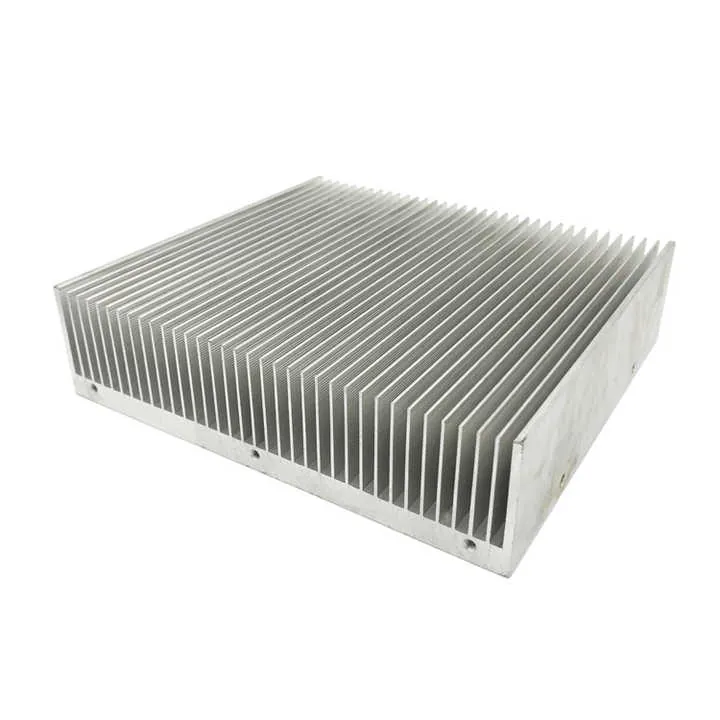
Parts that fit milling share some common traits. They must be rigid enough to clamp. They often start from a block or billet. The design must allow cutter access. Simple shapes like flat brackets, plates, or blocks work well. So do complex shapes with pockets or curves. Thin or flexible parts are harder to mill because they may bend under cutting forces.
The table below shows part type and suitability for milling:
| Part type | Suitability | Notes |
|---|---|---|
| Solid metal blocks or billets | High | Good for engine parts, structural parts |
| Flat plates and brackets | High | Easy to clamp, simple milling |
| Parts with pockets or holes | High | Drill and mill holes, slots, cavities |
| Curved surfaces or 3D shapes | High | Use ball‑nose cutters or 3D milling paths |
| Thin or flexible parts | Low to medium | Risk of bending; need careful fixture or support |
| Very large parts beyond table size | Low | Requires special large CNC machine or alternative |
Parts used for machine frames, housings, molds, or complex assemblies fit well. Also parts for prototypes or custom components suit milling.
Requirements for good milling parts
- The part must fit within the machine’s working area.
- The part must be rigid or well held.
- The design must allow tool access from necessary angles.
- The material should respond well to cutting (aluminum, steel, plastics, wood, composites).
If the part is thin, weak, or hollow, milling may cause distortion. That lowers precision. Then other processes (sheet metal forming, casting, welding) may suit better.
Milling also works if part count is small to medium. For huge batches of identical thin sheet parts, stamping may be more cost‑effective.
In short, CNC milling suits parts starting from solid material, needing precision, and able to be held rigidly.
Where is milling commonly used?
Milling finds use in many industries and products. From small tools to large machine parts.
Milling is common in automotive, aerospace, mold making, prototypes, and custom metalwork across many industries.
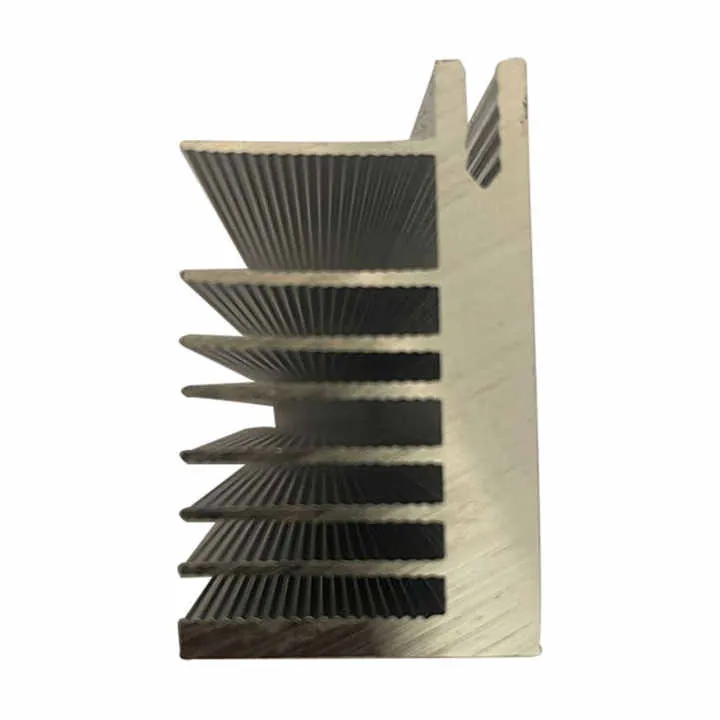
Common application areas
- Automotive — engine parts, gear housings, brackets, custom parts.
- Aerospace — aircraft frames, actuator parts, structural covers.
- Tool and die making — molds, dies, jigs, fixtures.
- Prototyping and design — new product models, custom enclosures, test parts.
- Industrial machine parts — frames, housings, precision mechanical parts.
- Metal furniture or hardware — metal brackets, components needing durability.
Why these areas use milling
These sectors need parts with exact dimensions and strong material. They often start from metal billets or raw blocks. They need holes, slots, pockets, and curved surfaces. Milling can handle all of that.
Example workflow
An aerospace company needs a structural bracket. They start from solid aluminum. They load a CAD design. They program CNC paths. They clamp block in machine. CNC mills surfaces, drills holes, cuts slots, and shapes edges. The result is a bracket ready for assembly.
Mold and die making
Molds often require complex internal cavities and smooth surfaces. Milling carves cavities with precision. After rough milling, finishing passes yield smooth surfaces. Then the mold can cast plastic or metal parts.
Prototypes
Designers need test parts fast. Milling turns raw material to functional part in hours or days. That helps verify design and fit before mass production.
Because milling works across materials from aluminum to plastic, small shops and large factories both use it. Because of its flexibility, many industries rely on milling for parts that demand precision and strength.
Conclusion
CNC milling means using rotating tools under computer control to cut material precisely. Milling stands out when parts need precision, repeat patterns, or complex shapes. Many types of parts suit milling. Many industries use it for critical components. Milling remains a key method in modern manufacturing.