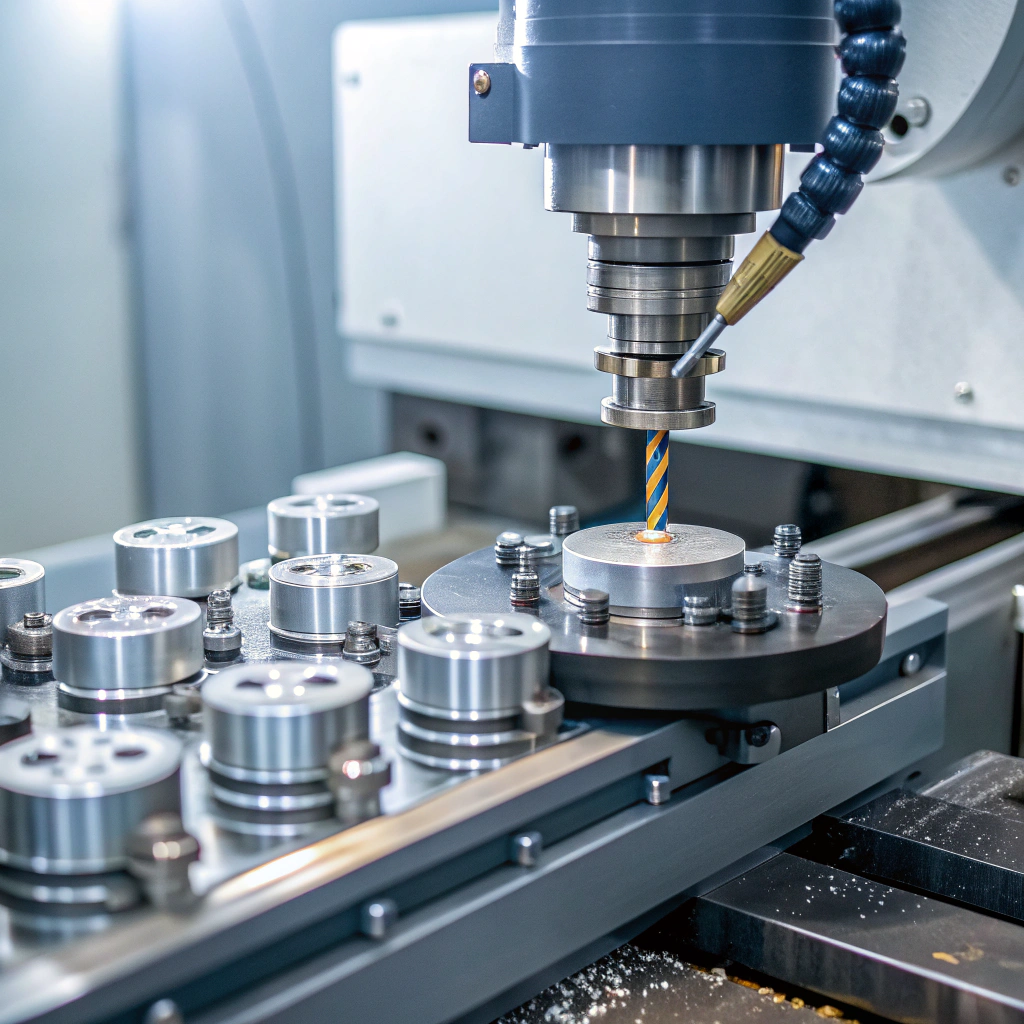
Precision grinding is a key process in achieving high accuracy and smooth surface finishes for critical parts. Are you looking to improve your machining processes with precision grinding?
Precision grinding is a manufacturing technique that involves using abrasive wheels or tools to achieve ultra-fine surface finishes and exact dimensions. This process is crucial for parts that require high tolerances in industries like aerospace, automotive, and medical manufacturing.
In this article, we will dive deeper into what precision grinding is, the various types, and how you can perform it effectively to achieve the best results for your projects.
What are the Types of Precision Grinding?
Wondering which type of precision grinding is best for your project? Let’s explore the different types of precision grinding processes and their unique uses.
There are several types of precision grinding, including surface grinding, cylindrical grinding, and centerless grinding. Each type is designed to meet unique needs in various industries.
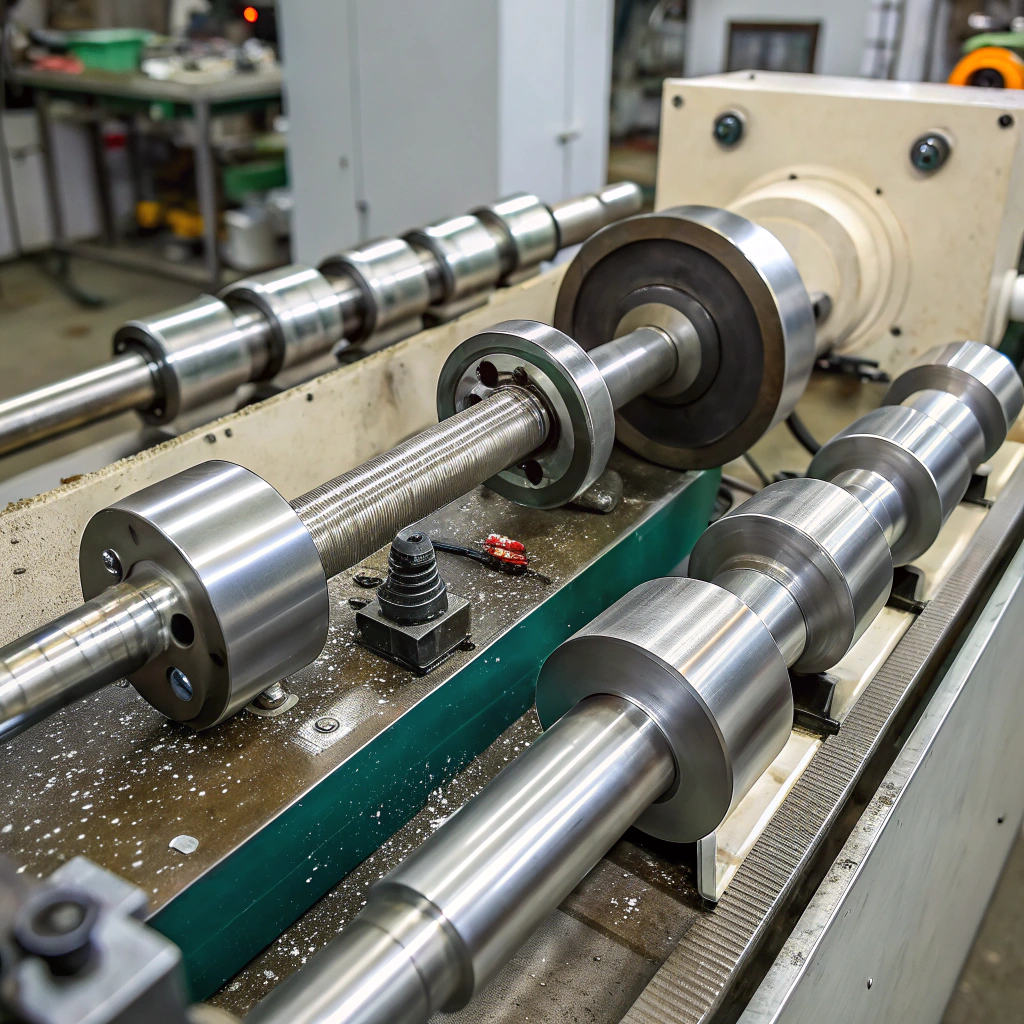
To understand which type of precision grinding is right for your project, it’s important to know the differences between them. Below, I break down the main types of precision grinding processes, their uses, and the benefits each offers.
Surface Grinding
Surface grinding is the most common type of grinding used to create flat surfaces. In this process, a rotating grinding wheel removes material from a flat workpiece to achieve a smooth and precise finish. This is ideal for parts that require a smooth, even surface.
Some common applications for surface grinding include:
- Manufacturing of flat, smooth parts.
- Polishing surfaces to improve aesthetics or reduce friction.
- Parts that need precise dimensions for assembly.
Cylindrical Grinding
Cylindrical grinding is used to grind the outer surface of cylindrical parts. It involves rotating the workpiece while a grinding wheel moves along the length of the piece to remove material. This process is ideal for parts like shafts, tubes, and other round components.
Applications include:
- Creating precise outer diameters for shafts or rods.
- Achieving tight tolerances for rotating parts.
- Manufacturing components that fit into assembly machines.
Centerless Grinding
Centerless grinding is unique because it does not require the workpiece to be held between centers. Instead, the part is placed between two rotating wheels, and material is removed as it moves through the machine. This process is highly effective for mass production and is particularly used for small-diameter parts.
The benefits of centerless grinding include:
- High-speed grinding with minimal operator intervention.
- Ideal for mass production of small parts.
- Eliminates the need for part fixturing, reducing setup times.
Each of these types of grinding serves a specific purpose and is suited for particular applications. Understanding these options can help you decide which is best for your manufacturing needs.
What Are the Benefits of Precision Grinding?
Wondering why you should consider precision grinding for your projects? Let’s dive into the key benefits it offers.
Precision grinding offers several advantages, such as achieving tight tolerances, producing smooth finishes, and maintaining material integrity. This makes it a valuable process in industries requiring high-performance parts.
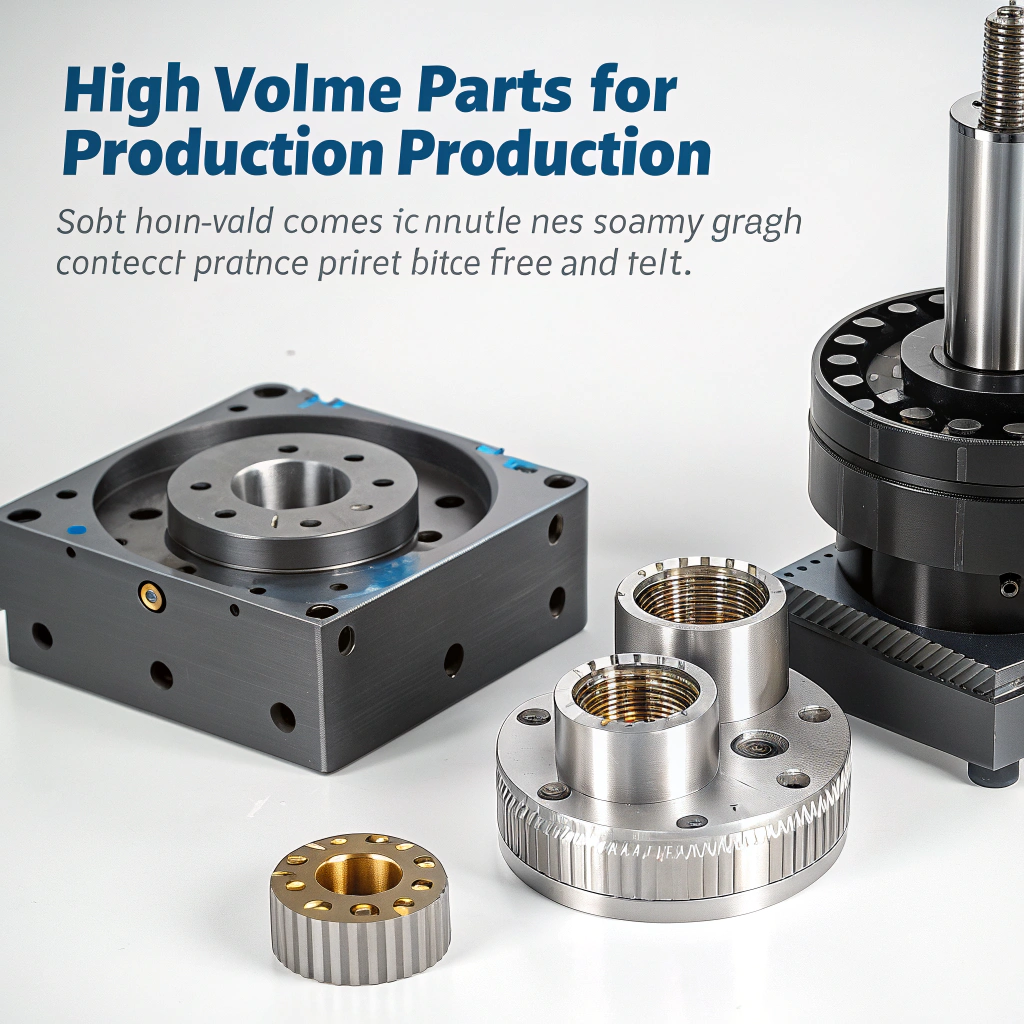
Precision grinding offers numerous advantages, especially when compared to other machining processes. Let’s break down the key benefits that make precision grinding the go-to choice for many industries.
High Accuracy and Tolerances
One of the standout features of precision grinding is its ability to achieve incredibly tight tolerances. In industries where even a fraction of a millimeter can affect performance, such as in aerospace and medical devices, this precision is crucial. Grinding wheels can be adjusted to remove material very precisely, ensuring that each part fits into its intended design without issues.
Smooth Surface Finishes
Precision grinding is also known for producing smooth and even surfaces. When a workpiece undergoes grinding, the grinding wheel removes material layer by layer, resulting in a finely polished finish. This is especially important for parts that require minimal friction or for components that will be in contact with other surfaces.
Cost-Effectiveness for High-Volume Production
Another advantage of precision grinding is its cost-effectiveness for high-volume manufacturing. Once set up, grinding machines can quickly process large batches of parts with high consistency and minimal waste. For industries producing large quantities of identical parts, this makes grinding a highly efficient method.
Material Versatility
Precision grinding can be performed on a wide variety of materials, including metals, ceramics, and composites. It is not limited to soft or easy-to-machine materials but can also work with hard and tough materials like hardened steel or carbide. This makes precision grinding suitable for a range of industries and applications.
The benefits of precision grinding, from its high accuracy to its ability to work with tough materials, make it a top choice for industries that require high-performance components.
How to Perform Precision Grinding Effectively?
Are you unsure how to achieve the best results from precision grinding? It’s all about setup, adjustments, and maintaining consistency.
Effective precision grinding requires the right setup, including selecting the appropriate grinding wheel, ensuring proper workholding, and maintaining consistent machine parameters throughout the process.

To perform precision grinding effectively, there are a few key factors to consider. Each step in the grinding process impacts the final result, and small adjustments can make a big difference in the precision of the finished part. Below are some essential tips to ensure your precision grinding process delivers optimal results.
Choosing the Right Grinding Wheel
The type of grinding wheel you use is crucial to the effectiveness of the grinding process. Different grinding wheels are designed for different materials and finish requirements. For example, a diamond or CBN wheel is often used for grinding hard materials like ceramics or carbide, while aluminum oxide wheels are commonly used for softer metals like steel.
It's important to consider factors such as:
- Grit size: Finer grits produce smoother finishes.
- Bond type: Determines the durability of the wheel.
- Wheel hardness: Affects how much material is removed at a time.
Workholding and Fixturing
Securing the workpiece properly is critical to achieving accurate results. If the workpiece is not securely held in place, vibrations or movement can lead to inaccuracies in the final part. Proper fixturing ensures that the workpiece remains stable during grinding, minimizing the risk of errors.
For some applications, such as cylindrical grinding, the workpiece may need to be held between centers or in a chuck. In other cases, like centerless grinding, workpieces are held by the grinding wheel and regulating wheel.
Maintaining Consistent Grinding Parameters
To achieve consistent results, it’s important to keep grinding parameters like feed rate, wheel speed, and depth of cut within optimal ranges. A change in any of these factors can affect the surface finish and dimensional accuracy of the part. For example, increasing the feed rate may increase material removal but could result in a rougher finish.
Additionally, using coolant during the grinding process can help control heat buildup and improve the life of both the grinding wheel and the workpiece. Ensuring that coolant is evenly distributed across the workpiece can also prevent thermal damage.
By following these steps and paying attention to detail, you can ensure that your precision grinding process delivers the best results.
What are the Innovations in Precision Grinding Technology?
How is precision grinding evolving with new technology? Let’s look at some of the latest innovations that are changing the game.
New innovations in precision grinding technology, such as high-efficiency abrasives, CNC machines, and real-time monitoring, have improved the speed, accuracy, and cost-effectiveness of grinding processes.
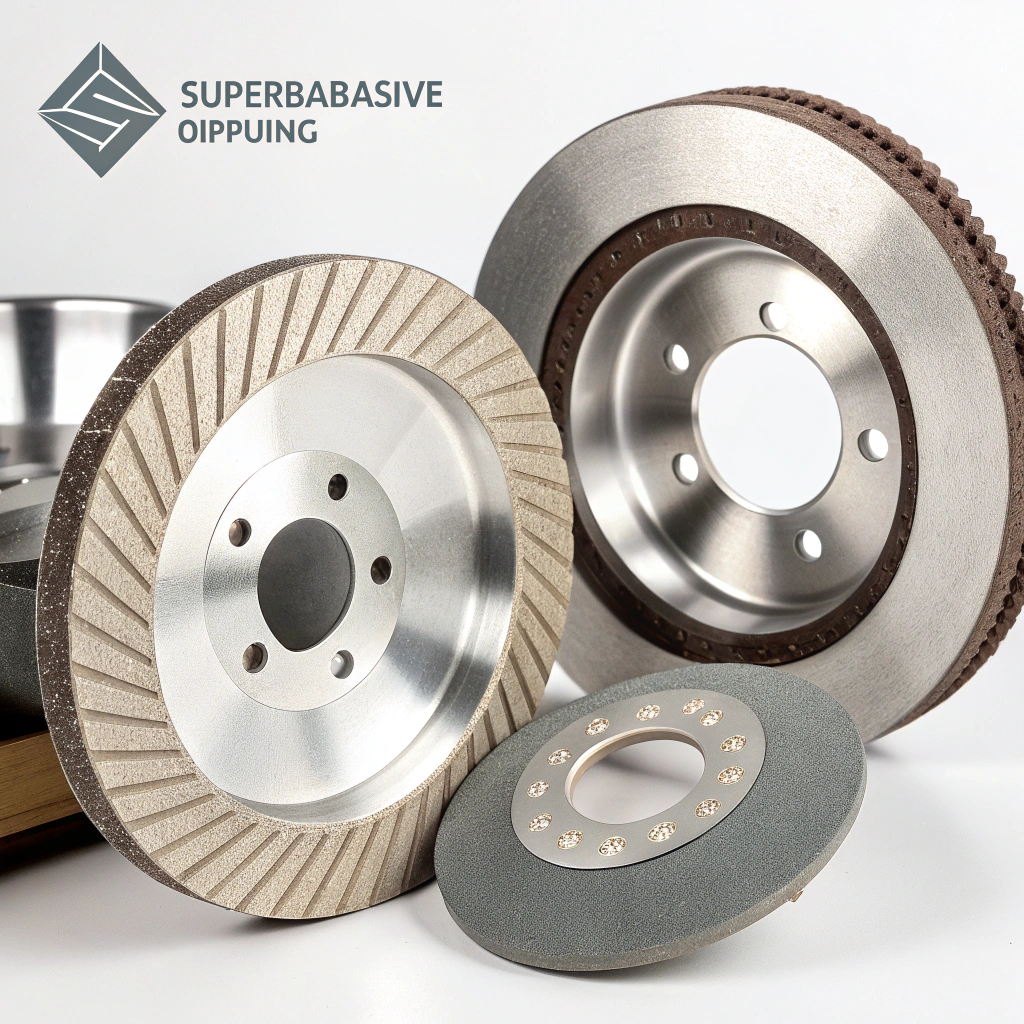
Technology is constantly advancing, and the precision grinding industry is no exception. Innovations in grinding machines, abrasive materials, and automation are making it easier to produce higher-quality parts in less time. Below, we’ll explore some of the most significant innovations in precision grinding technology.
High-Efficiency Abrasives
Recent developments in abrasives have led to the creation of superabrasive grinding wheels, such as cubic boron nitride (CBN) and diamond. These materials are much harder than traditional abrasives, which allows them to grind faster and last longer. This results in improved productivity and reduced tool wear.
Superabrasives are especially useful for grinding hard materials like ceramics, carbide, and hardened steel. As industries demand more precision in these tough materials, superabrasives are becoming increasingly essential.
CNC Grinding Machines
CNC (Computer Numerical Control) grinding machines are now commonplace in precision grinding operations. These machines allow for automated, highly repeatable grinding tasks, and they can be programmed to handle complex geometries and tight tolerances with ease. CNC grinding machines offer significant improvements in speed and consistency over traditional manual machines.
CNC machines can also integrate real-time monitoring and feedback systems to ensure the grinding process is continuously optimized. This reduces the risk of human error and increases production efficiency.
Real-Time Monitoring Systems
The use of sensors and real-time monitoring systems in grinding machines has become more common in recent years. These systems can track factors like grinding force, wheel wear, and temperature, providing immediate feedback to operators. If any parameter goes out of range, the system can adjust automatically to maintain the quality of the grinding process.
This innovation allows for better control over the grinding process, ensuring consistent results and minimizing defects. It also reduces downtime since adjustments can be made on the fly, avoiding the need for manual intervention.
The combination of new abrasive materials, CNC grinding technology, and real-time monitoring systems has revolutionized the precision grinding industry, making it faster, more efficient, and more accurate.
Conclusion
Precision grinding is essential for producing high-accuracy parts in industries like aerospace, automotive, and medical manufacturing. Understanding the types, benefits, and innovations in this process can help you improve the quality and efficiency of your production.