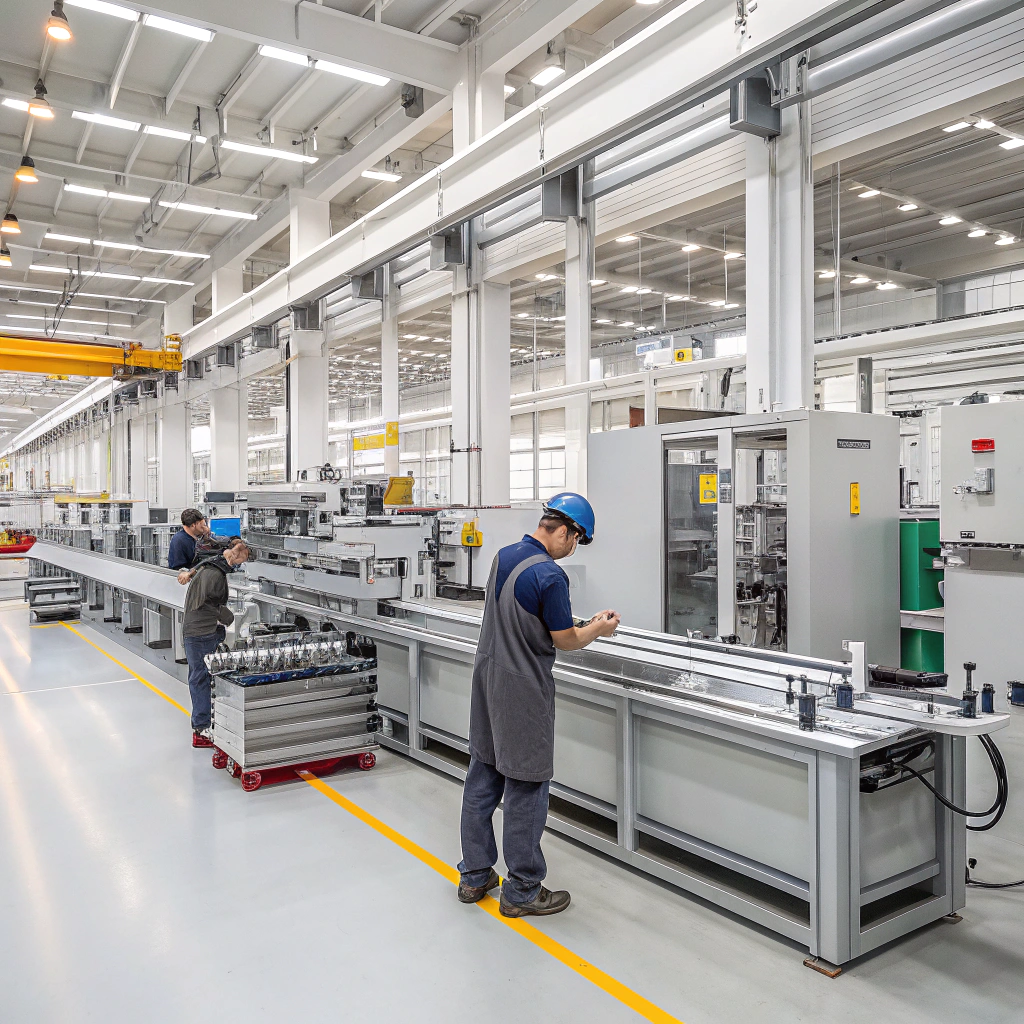
Struggling to scale your manufacturing efficiently? It might be time to focus on your tooling.
Production tooling refers to the specialized dies, molds, fixtures, and equipment used to manufacture parts in large volumes with consistent quality.
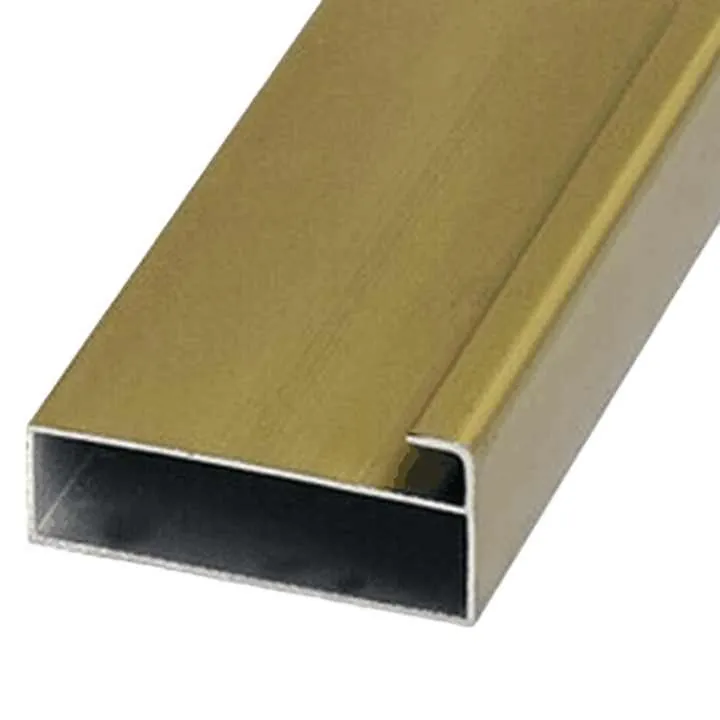
From injection molds to aluminum extrusion dies, tooling forms the foundation of efficient mass production. Without the right tools, you’ll waste time, material, and money.
Why is production tooling important?
Is tooling just a one-time setup expense? No—it’s the heartbeat of your production.
Production tooling ensures consistency, precision, and efficiency in high-volume manufacturing, while reducing cycle times and long-term costs.
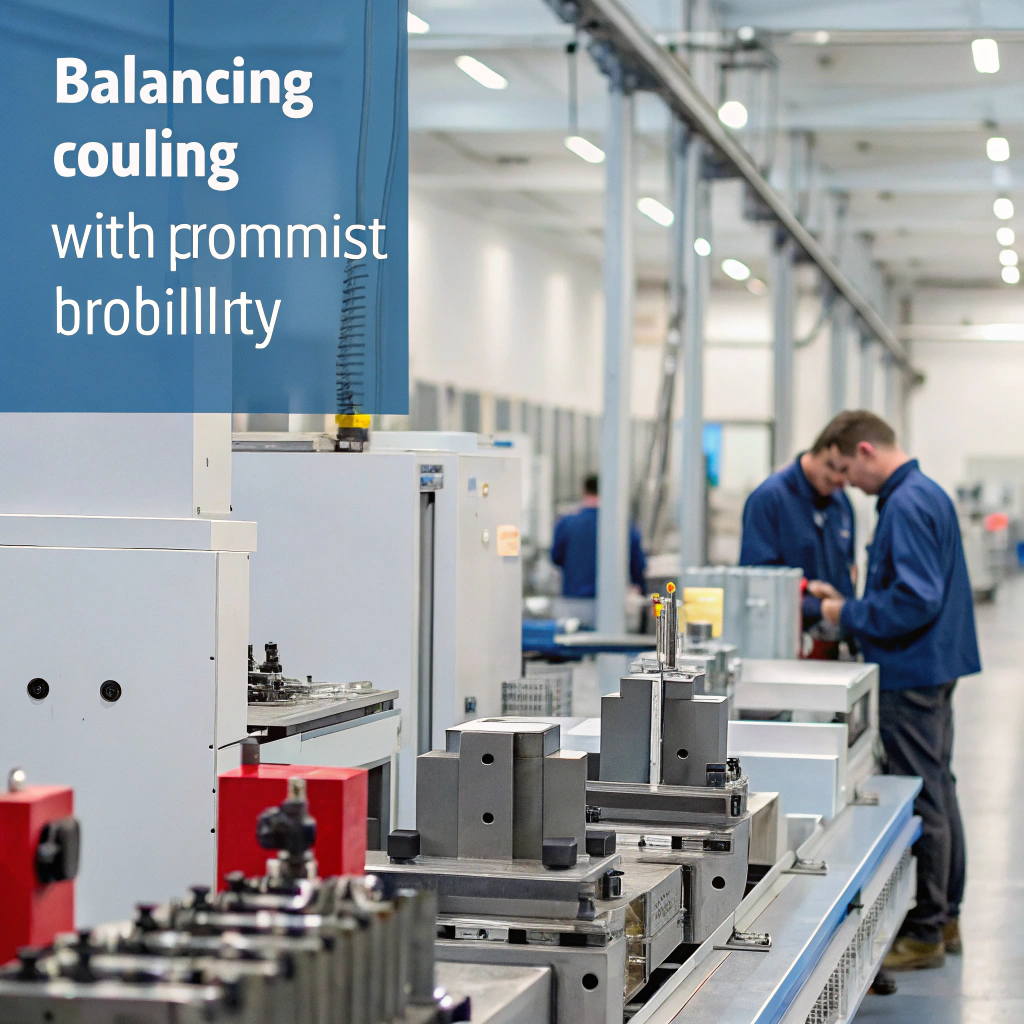
Back when I first started offering custom aluminum profiles, I underestimated the impact of tooling quality. One flawed die led to hundreds of rejected parts. Since then, I treat tooling as a strategic investment, not just a setup cost.
Why Tooling Matters in Manufacturing
1. Repeatable Accuracy
Good tools guarantee every part matches your design, no matter how many you produce. This is critical in industries like automotive and aerospace, where tolerances are tight.
2. Speed and Efficiency
Well-designed tools reduce cycle times. For aluminum extrusion, for example, a smooth-flowing die can cut run time by 20–30%.
3. Waste Reduction
Accurate tools mean fewer rejects and less scrap material. This directly saves money.
4. Long-Term Cost Control
High-quality tools last longer, need less maintenance, and improve uptime.
5. Better Surface Finish
In processes like extrusion or injection molding, tooling quality directly affects surface quality. That reduces or eliminates post-processing steps.
Tooling Impact Table
| Factor | With Poor Tooling | With High-Quality Tooling |
|---|---|---|
| Part Consistency | Variable dimensions | Consistent, precise parts |
| Production Speed | Slower, frequent stops | Faster, reliable cycles |
| Scrap Rate | High | Low |
| Maintenance Needs | Frequent | Minimal |
| Surface Finish Quality | Rough, needs polishing | Smooth, ready-to-use |
Whether it’s a die for a 400mm-wide aluminum panel or a small jig for CNC machining, the right tooling makes or breaks the process.
How to balance cost and quality in tooling?
Is cheap tooling ever a smart choice? Sometimes—but only if you plan carefully.
Balancing cost and quality in tooling means selecting materials and designs that match production volume, part complexity, and budget without compromising reliability.
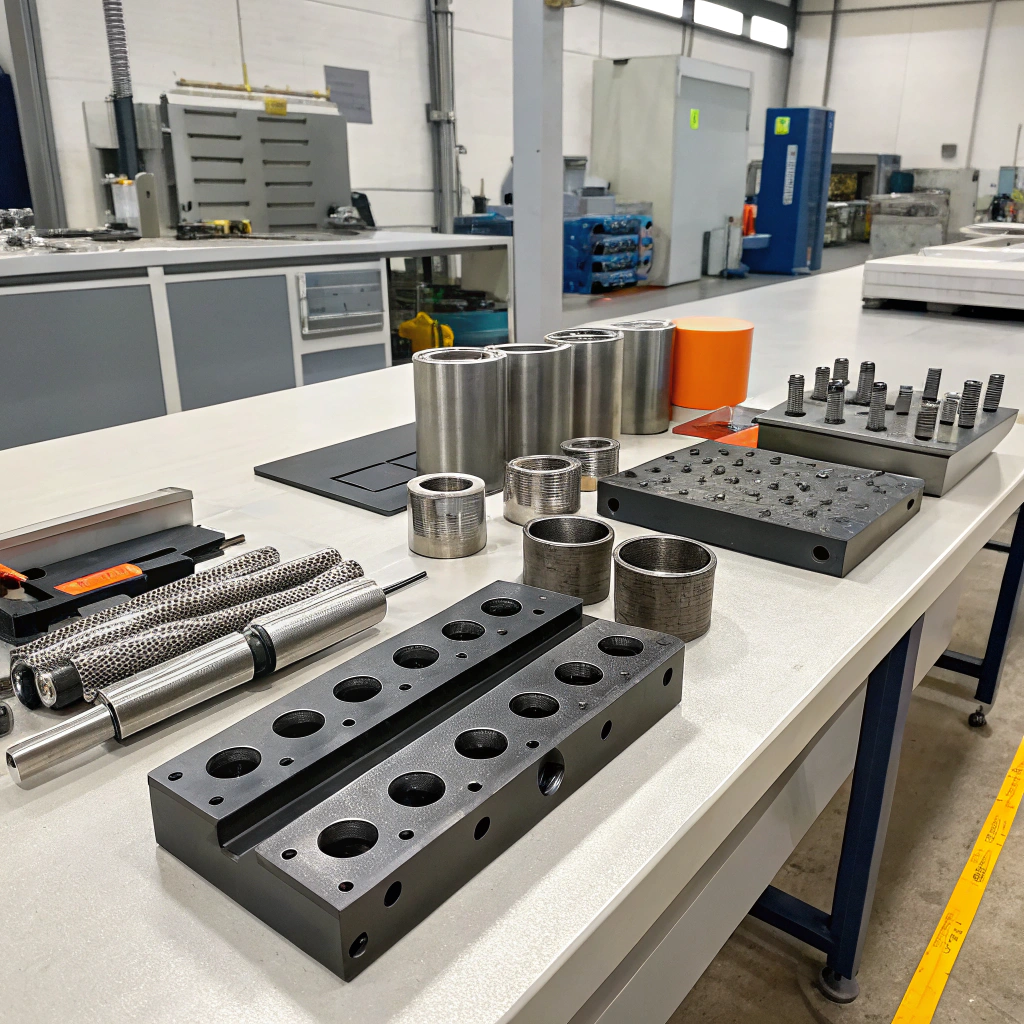
One of my clients needed 500 custom brackets. We used a semi-hardened steel die instead of a full-hardened one. The result? Great performance and 30% savings, with no drop in quality.
Key Considerations for Tooling Investment
1. Match Tooling Grade to Volume
- For short runs (under 1,000 units), aluminum or soft steel tools may be enough.
- For high-volume jobs (10,000+), invest in hardened steel or precision-ground tooling.
2. Optimize Design Early
Work closely with your tooling supplier to simplify the design. Small tweaks—like consistent wall thickness—can reduce machining time and tool wear.
3. Modular Tooling
Use interchangeable inserts or modules in your tools to save money on future changes.
4. Maintenance Strategy
Budget for upkeep. Even great tools wear out. A small investment in cleaning and regrinding can double tool life.
5. Use Simulation Tools
Today, CAD/CAM software can simulate die flow, cooling, and stress points. Catch problems before you cut metal.
Cost vs. Quality Decision Matrix
| Production Volume | Tooling Material | Cost | Recommended Use |
|---|---|---|---|
| 100–500 units | Aluminum | Low | Prototypes, small runs |
| 500–5,000 units | Pre-hardened steel | Medium | Short to mid-term production |
| 5,000–50,000 units | Tool steel (H13, D2) | High | Full-scale production |
| Over 50,000 units | Hardened tool steel | Very High | High-precision, long-term production |
Don’t just choose the cheapest option. Think about long-term reliability and your client’s expectations.
What are the trends in production tooling design?
Are tooling designs stuck in the past? Not anymore—tech is reshaping everything.
Trends in production tooling include additive manufacturing, smart tooling with sensors, digital simulation, and faster turnaround with modular and hybrid designs.

When I visited a partner plant in Germany, I saw tools being made with 3D-printed inserts that cooled 3x faster. It blew my mind. We’re not far from using those in our extrusion lines too.
Top Tooling Trends to Watch
1. Additive Tooling Inserts
3D printing lets engineers create internal channels for cooling and venting that traditional machining can’t achieve.
2. Smart Tooling
Sensors embedded in tools track temperature, pressure, and wear. This helps predict failures and schedule maintenance before breakdowns happen.
3. Digital Simulation
Advanced simulation software helps design tools with fewer errors and faster lead times.
4. Modular Tooling
Tool components are now designed to be interchangeable. This saves time and cost for design variations.
5. Rapid Tooling
For prototype parts, rapid tooling (via aluminum or 3D printing) reduces lead times from weeks to days.
Innovation Trends Table
| Trend | Description | Benefit |
|---|---|---|
| Additive Manufacturing | 3D-printed cooling channels, hybrid tools | Faster cycles, better quality |
| Embedded Sensors | Real-time wear and pressure monitoring | Prevents failure, reduces downtime |
| Simulation & CAD Tools | Virtual testing before cutting metal | Cuts design errors |
| Modular Components | Swappable dies and inserts | Flexible for design changes |
| Rapid Prototyping | Low-cost tools for testing | Speeds up product development |
By staying ahead of these trends, we’ve improved tool life by 20% and reduced setup times by 40% in some extrusion projects.
Conclusion
Production tooling is a critical factor in quality, efficiency, and cost control. By understanding tooling principles, choosing the right materials, and keeping up with trends, you’ll produce better parts, faster—and stay competitive.