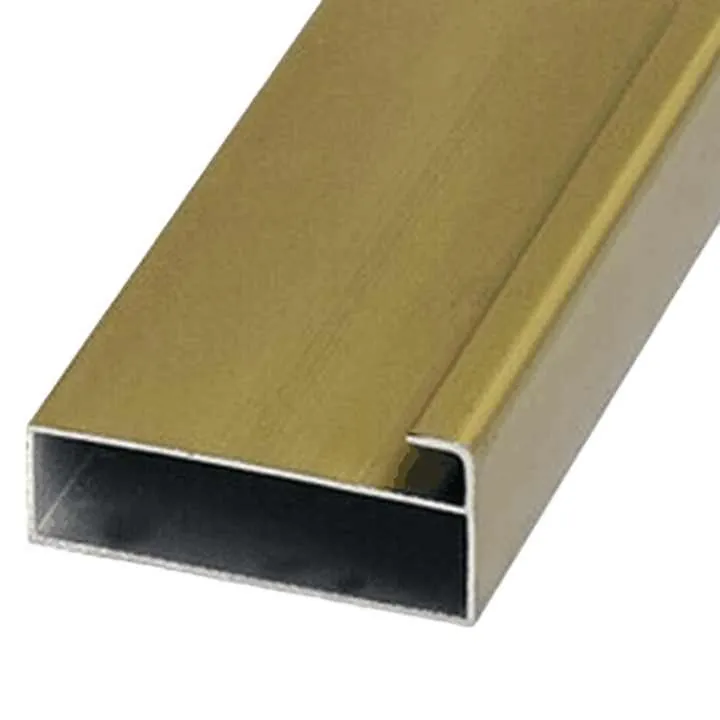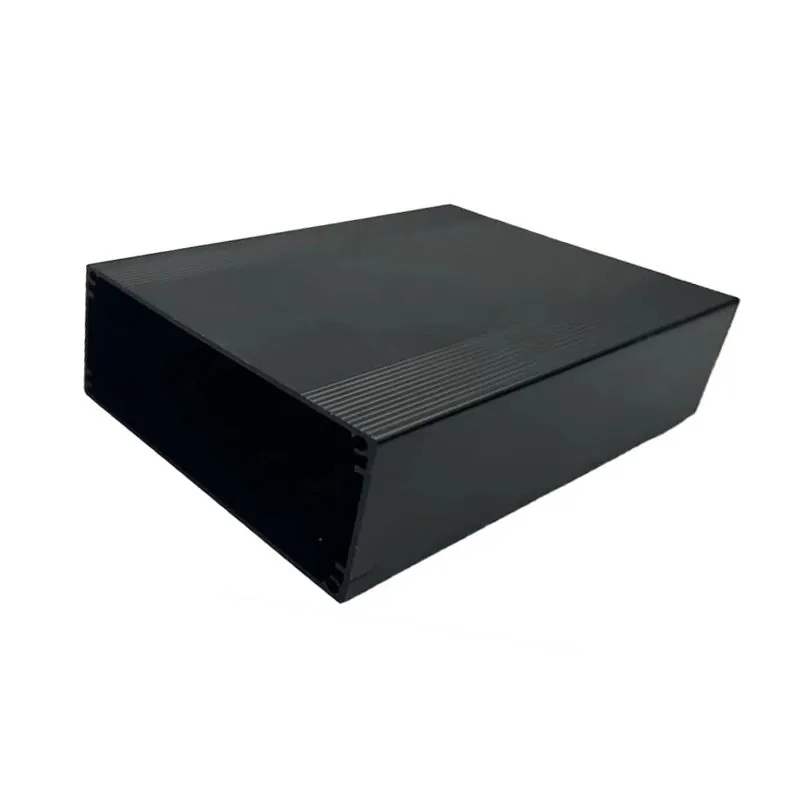
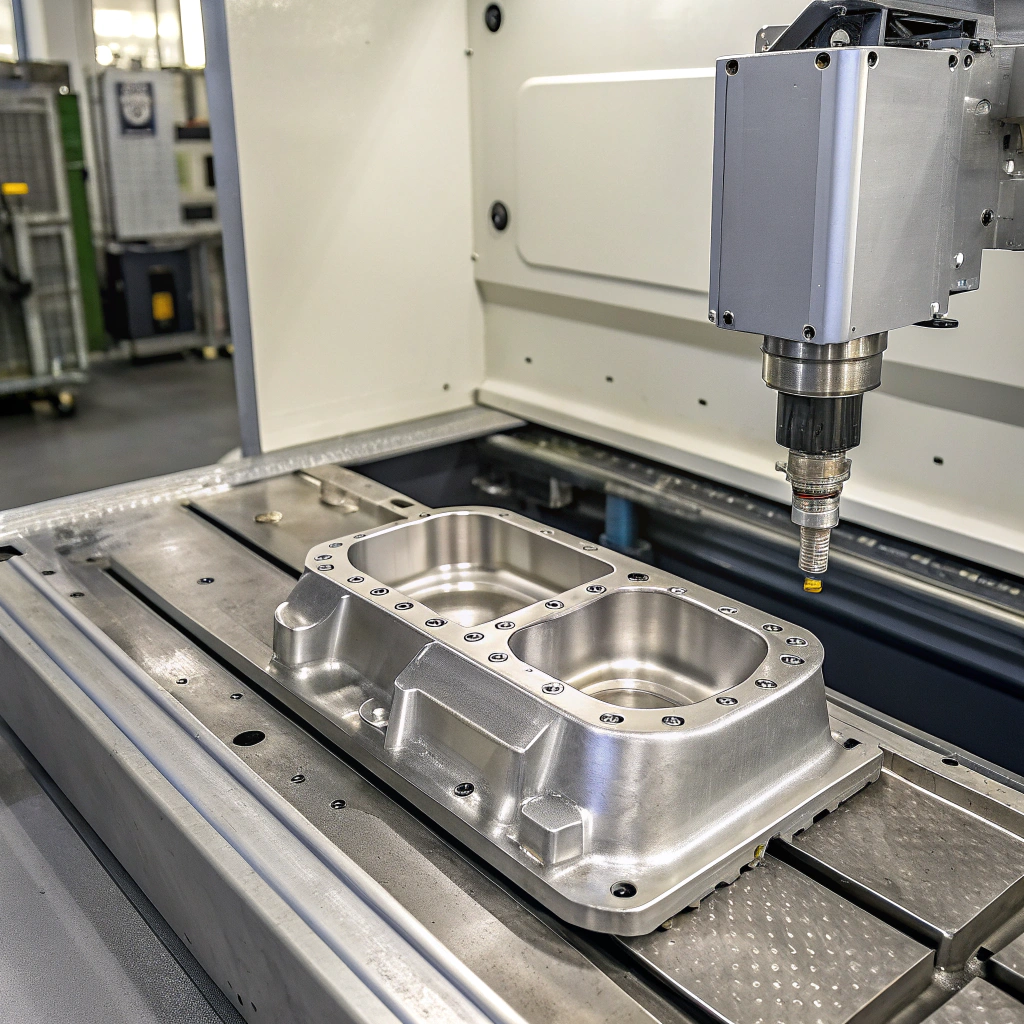
If you're working with metal parts that need to look good and last long, you’ve likely heard of PVD coating. But what is it really, and how does it help?
PVD (Physical Vapor Deposition) coating is a vacuum-based process that deposits thin, durable films onto surfaces to enhance their hardness, corrosion resistance, and visual appeal.
This technology is widely used in tools, automotive parts, electronics, and decorative finishes. Let me show you how it works, why it matters, and where it’s heading.
What are the benefits of PVD coating?
Metal surfaces don’t last forever. They scratch, rust, or fade. PVD coating offers a way to fix these problems without compromising strength or design.
The benefits of PVD coating include superior hardness, wear resistance, reduced friction, enhanced appearance, and environmental safety.
I often recommend PVD coating to clients who need their aluminum profiles or CNC parts to last longer under tough conditions. For example, solar panel frames in the Middle East face heat and sand. A PVD finish helps them resist wear while keeping a clean, polished look.
Common Benefits Table
| Benefit | Description |
|---|---|
| Hardness | Adds a hard ceramic-like surface layer. |
| Corrosion Resistance | Protects metals from rust and oxidation. |
| Aesthetic Appeal | Offers colors like gold, black, rose, or rainbow. |
| Low Friction | Ideal for sliding parts or tools. |
| Eco-Friendly | Uses no harmful chemicals compared to electroplating. |
A Real-World Scenario
We once produced aluminum handles for a luxury furniture brand. They wanted something more premium than anodizing. We offered PVD gold coating. Not only did the finish look upscale, but it also resisted scratches far better than painted parts.
How to apply PVD coating in modern industries?
Applying PVD coating isn’t just about dipping a part into a machine. It’s a controlled, high-tech process that starts long before the coating chamber.
To apply PVD coating in industries, start with clean parts, use a high-vacuum chamber, and select the right coating material and method for your application.
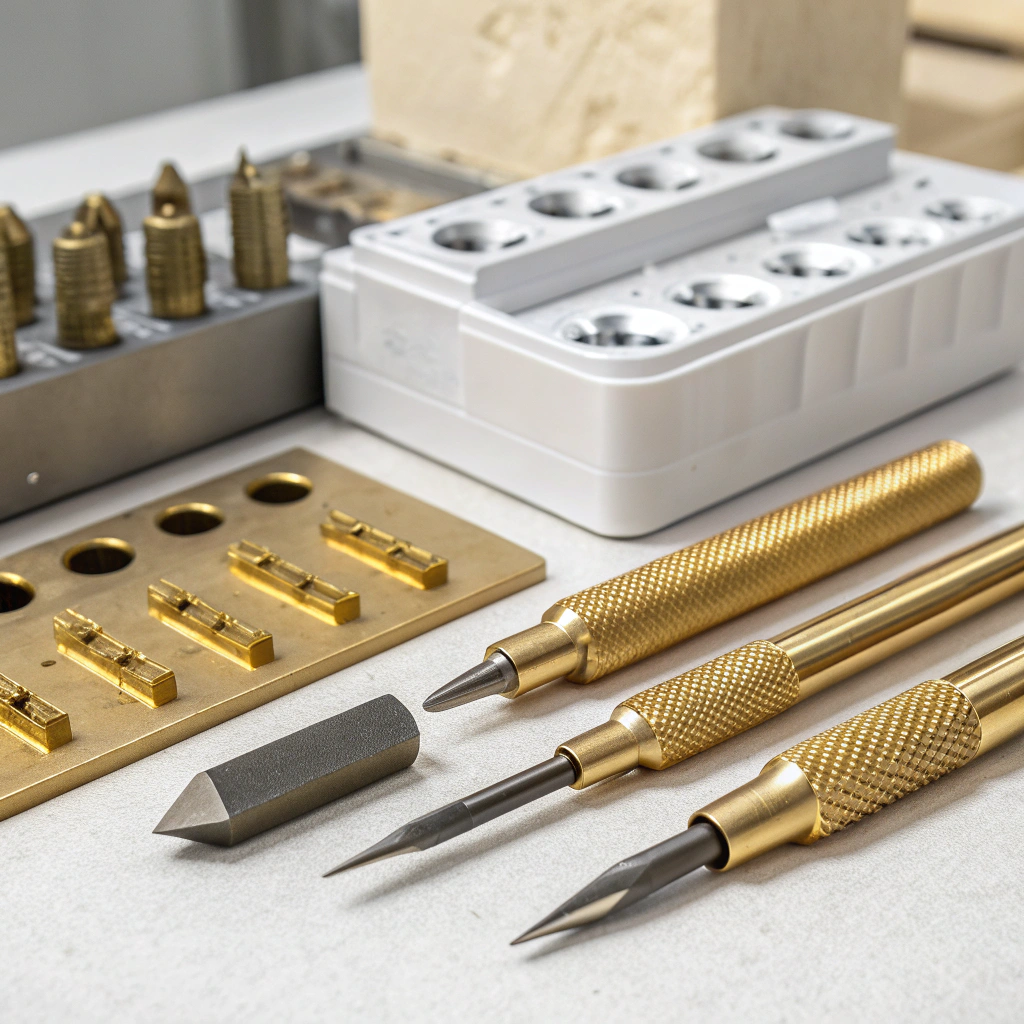
I’ll explain how it works in industrial settings, where reliability and repeatability matter most.
Basic Process Overview
Step 1: Cleaning and Preparation
Any surface dirt, oil, or oxidation will cause poor adhesion. That’s why cleaning is critical. We usually use ultrasonic cleaning followed by plasma cleaning.
Step 2: Loading into the Chamber
Parts are mounted on rotating racks inside a vacuum chamber. This rotation ensures uniform coverage during deposition.
Step 3: Creating Vacuum and Heating
The chamber is sealed and air is removed. Heating the parts improves adhesion and activates the surface for bonding.
Step 4: Material Evaporation
We then vaporize the coating material (like titanium or zirconium) using a cathodic arc or magnetron sputtering.
Step 5: Deposition and Bonding
The vaporized particles travel through the vacuum and bond to the part’s surface, forming a thin, hard coating.
Industrial Use Cases
| Industry | Application |
|---|---|
| Automotive | Coating gears, engine parts, trims |
| Medical | Surgical tools, implants |
| Architecture | Handles, panels, decorative trim |
| Consumer Electronics | Smartphone buttons, camera housings |
| Tooling | Cutting tools, molds |
In my experience, choosing the right PVD material is crucial. Titanium nitride (TiN) offers a gold finish and great wear resistance. Chromium nitride (CrN) works well for corrosion-prone environments.
What are the trends in PVD coating technology?
Technology never stands still. In recent years, PVD coating has seen major upgrades — from faster machines to coatings tailored at the atomic level.
Emerging trends include multi-layer coatings, PVD on plastics, digital simulation of deposition, and eco-focused innovations.
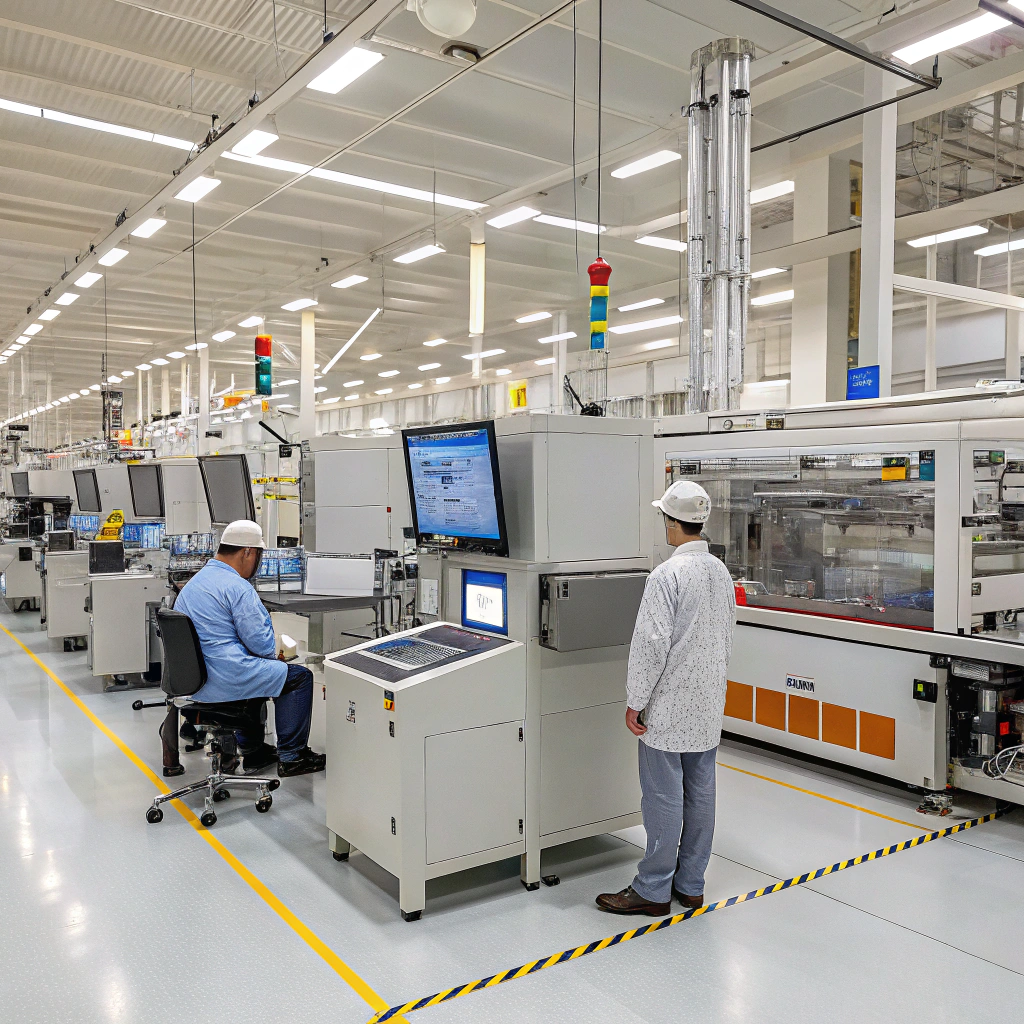
I keep an eye on these trends because our clients often look for next-gen performance. A few recent shifts are already impacting how we approach projects.
Trend 1: Multi-Layer Coatings
Instead of one single layer, companies now stack layers of different materials. Each layer offers a specific benefit — like hardness, color, or corrosion protection. These coatings can last 2–3 times longer.
Trend 2: PVD on Non-Metals
Traditionally, PVD was for metal. Now it’s moving to plastics, ceramics, and composites. This opens up opportunities for lightweight consumer goods, especially in electronics.
Trend 3: Simulation & Modeling
Some factories now use software to simulate how a coating will behave under stress or heat. This cuts down testing time and improves accuracy.
Trend 4: Green Coating Systems
With growing environmental regulation, more companies are replacing electroplating (which produces toxic waste) with PVD, which is cleaner and safer.
Coating Innovation Table
| Innovation | Description | Application |
|---|---|---|
| Duplex PVD | Combines nitriding with PVD | Tooling and heavy wear parts |
| Color-Tuned Coating | Controlled layer thickness for specific hues | Jewelry, watches |
| Anti-Fingerprint Coatings | Repels smudges and stains | Electronics and display panels |
| High-Speed Deposition | Cuts processing time | Mass production lines |
By adopting these innovations, I help clients stay ahead in markets where appearance and durability are key differentiators.
Conclusion
PVD coating offers a smart way to improve surface performance and design quality. It's clean, strong, and visually appealing — making it perfect for industries that demand precision and reliability.