Are your lead times too long and prototypes too slow to test? You might be missing out on rapid manufacturing.
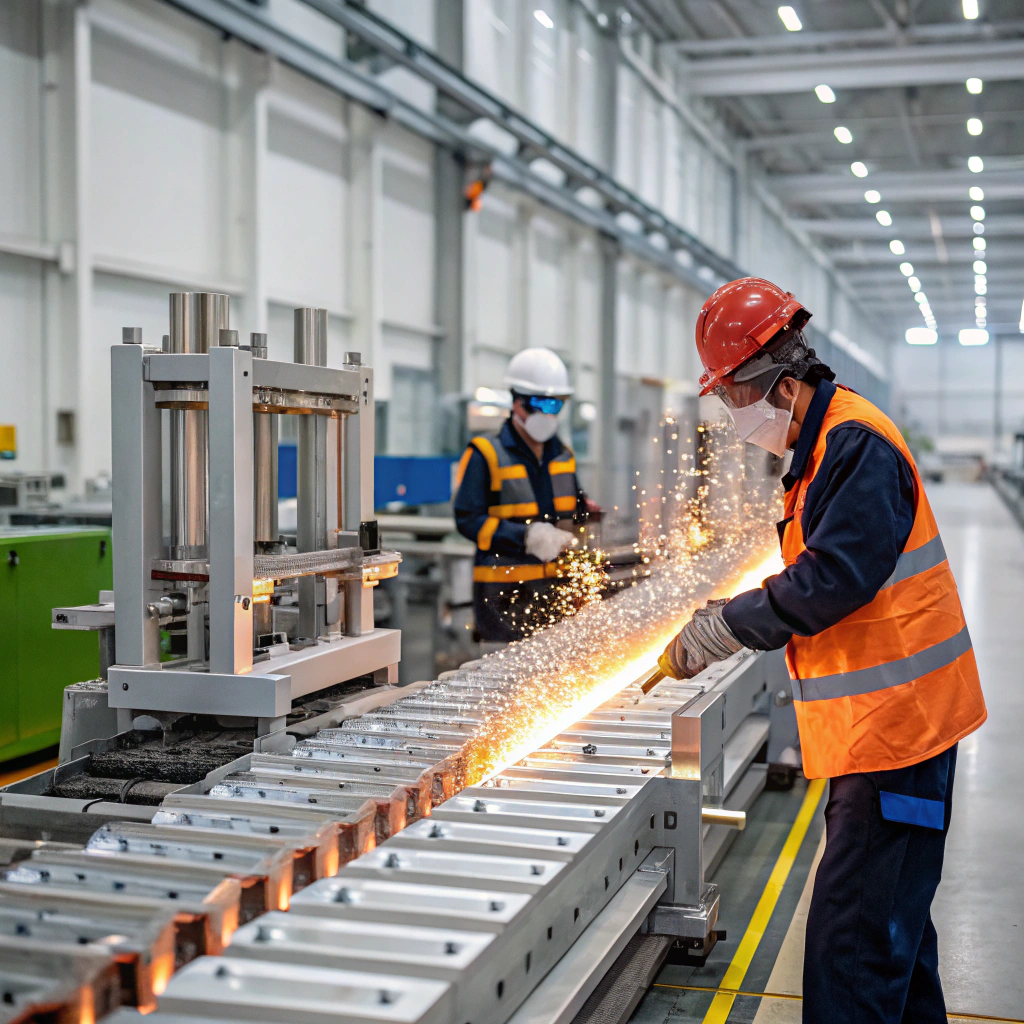
Rapid manufacturing uses digital tools and automated processes to produce parts faster, often in small batches or even as end-use products.
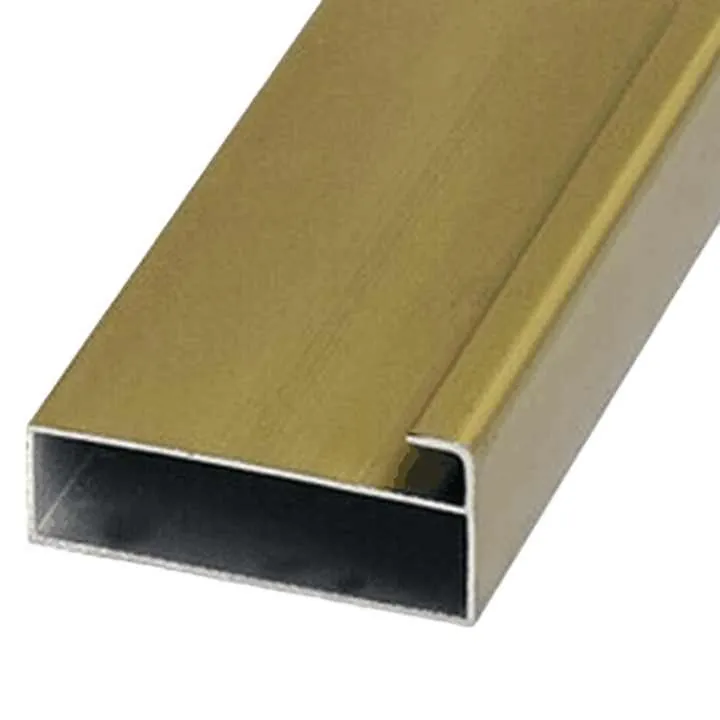
This new way of manufacturing helps companies cut delays, lower costs, and stay flexible. It's not just for 3D printing—machining, injection molding, and even aluminum extrusion are evolving fast.
What are the benefits of rapid manufacturing?
Is speed the only reason to switch to rapid manufacturing? Not even close.
Rapid manufacturing helps reduce time-to-market, lower tooling costs, and allows faster iteration, which means you can respond to market demands more quickly.
When I first adopted rapid manufacturing in my aluminum extrusion business, I noticed a 40% drop in lead time. More importantly, we caught design flaws much earlier in the cycle. That saved not only money, but client trust.
Key Benefits of Rapid Manufacturing
1. Speed to Market
You can launch products faster. No need to wait weeks or months for mold making or complex setups. For example, with CNC machining and digital workflows, we now get prototype dies ready in a few days.
2. Flexibility in Design
Changing a part design no longer means scrapping expensive tooling. You can update digital files and start production right away.
3. Lower Initial Costs
For low to mid-volume production, rapid methods cut tooling costs. This is especially helpful for startups or companies testing new products.
4. Better Customization
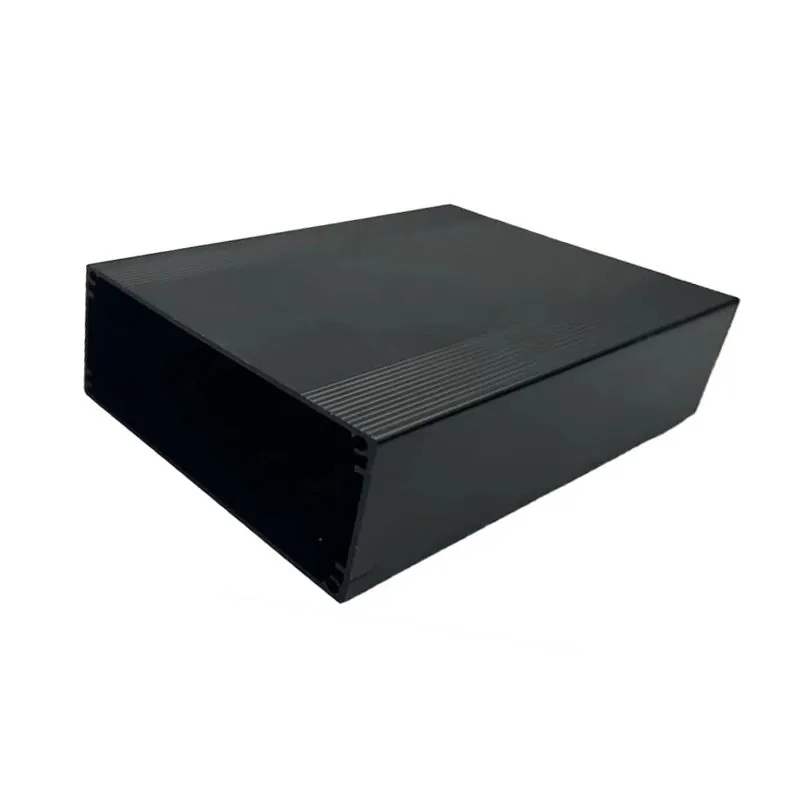
Customers now expect personalized solutions. Rapid manufacturing lets us deliver custom aluminum profiles without weeks of delay.
5. Inventory Reduction
You don’t need to hold large inventories. Make parts when needed, and update versions anytime.
Here’s a quick comparison table showing traditional vs. rapid manufacturing in the aluminum extrusion process:
| Feature | Traditional Manufacturing | Rapid Manufacturing |
|---|---|---|
| Lead Time | 3–8 weeks | 1–2 weeks |
| Cost for Custom Tooling | High | Moderate to Low |
| Design Change Flexibility | Low | High |
| Suitability for Prototypes | Poor | Excellent |
| Waste Generated | Moderate to High | Low to Moderate |
Real-World Use Case
One of our solar panel clients had urgent changes in mounting brackets. With rapid manufacturing, we delivered 100 modified sets in 4 days. Their project stayed on track, and they kept the end client.
How to implement rapid manufacturing effectively?
Can any company switch to rapid manufacturing overnight? Not quite. It takes planning and the right tools.
To implement rapid manufacturing, you need digital design tools, flexible machinery, clear workflows, and a strong supply chain.

When I introduced rapid methods into our extrusion plant, I quickly learned that speed without structure leads to chaos. So I built a step-by-step process.
Step-by-Step Implementation Plan
1. Invest in Digital Infrastructure
Start with CAD/CAM software that can create, modify, and simulate parts easily. We use SolidWorks and Fusion 360. These tools let us share files with customers and internal teams instantly.
2. Upgrade Your Machines
Make sure your equipment supports fast tooling changeover. In our shop, we added quick-die change systems for our 800-ton and 1800-ton extruders.
3. Train Your Team
Even the best machines fail if operators aren’t trained. We conducted hands-on workshops to align staff with new processes.
4. Redesign the Workflow
Map out each step. Eliminate bottlenecks. For us, we moved from batch processing to a continuous flow system.
5. Collaborate with Suppliers
Our surface treatment partners (for anodizing, powder coating) had to align with our speed. We set clear delivery windows and shared schedules in advance.
Example Implementation Timeline
| Phase | Duration | Key Deliverables |
|---|---|---|
| Digital Tool Setup | 1–2 weeks | CAD software, cloud sharing setup |
| Equipment Recalibration | 2–4 weeks | Die quick-change tools, CNC setups |
| Team Training | 1–2 weeks | Workshops, process documentation |
| Pilot Projects | 2–3 weeks | Small batch runs, test lead times |
| Full Integration | 1 month | Sync with production and logistics |
What are the trends in rapid manufacturing technologies?
Is rapid manufacturing only about 3D printing? Definitely not anymore.
New trends include hybrid manufacturing, smart automation, AI-driven quality control, and cloud-based production planning.
Some trends are already shaping how we make aluminum profiles at Sinoextrud.
1. Hybrid Manufacturing
This merges additive and subtractive processes. For instance, a part can be 3D printed and then machined for precision. It’s not widely used in extrusion yet, but we’re experimenting with hybrid approaches for brackets and connectors.
2. AI & Predictive Maintenance
Sensors on our 4500-ton press predict die wear and alert our team before failure. This cuts downtime and keeps delivery promises.
3. Digital Twin Technology
We simulate production in digital environments. It’s like practicing before the real game. Mistakes are caught early. Customers also love visual previews.
4. On-Demand Manufacturing
This trend allows clients to order just-in-time. Combined with our ERP system, we can make 200 kg lots with full tracking.
5. Materials Innovation
New alloys (like 6082 and 7075) are now available for rapid machining and extrusion. They perform better and machine faster.
Trend Comparison Table
| Trend | Description | Impact Level |
|---|---|---|
| Hybrid Manufacturing | Combines 3D printing + machining | Medium |
| Predictive Maintenance | AI for machine health | High |
| Digital Twins | Virtual simulation of production | High |
| On-Demand Production | Make-to-order workflows | High |
| New Aluminum Alloys | Stronger, faster to process | Medium |
These trends are not distant—they are happening now. If your supplier isn’t adapting, your project could fall behind.
Conclusion
Rapid manufacturing changes how we design, produce, and deliver. With the right tools and planning, it can help you speed up product launches, save costs, and stay competitive in fast-changing markets.