Have you ever sent a part to be machined and then wondered why the surface looked so clean, the shape so exact, and the cost so much lower than expected? That often means soft machining is at work.
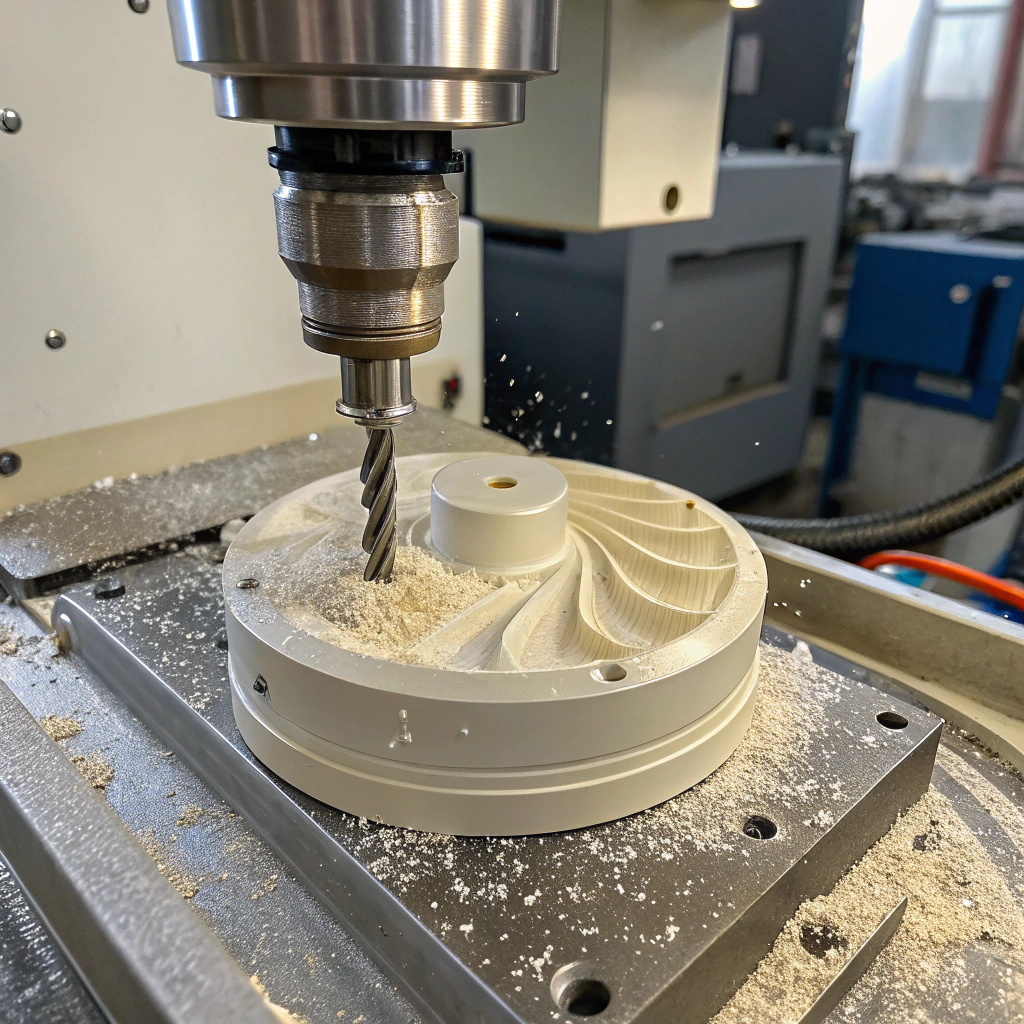
Soft machining is a controlled CNC process applied to materials or tooling that are not yet hardened, focusing on efficient shaping, material removal, and form‑creation rather than final high‑hardness finishing.
In this article I will walk you through what soft machining is, the benefits it offers, how we can optimise its processes, and what the new trends are in CNC soft machining.
What are the benefits of soft machining?

Soft machining delivers several distinct advantages compared with hard finishing machining stages.
The benefits include higher material removal rates in early stages, lower tooling cost, faster turnaround and greater flexibility in design and iteration.
Key Benefits
- High removal rate: Softer material means lower cutting forces and faster shaping speed.
- Lower tooling wear: Longer tool life and lower cost for cutters and inserts.
- Flexible design changes: Easier to modify geometry during prototyping.
- Ideal for delicate parts: Less vibration, less deformation for thin walls or fragile designs.
- Economical for low‑volume: Cost‑effective for 2,000–70,000 piece production runs.
When it might not be best
If your part needs extreme hardness or tight tolerances, you’ll still need post‑process heat treatment and finishing. In my experience, soft machining gives a strong foundation of geometry and efficiency, then hard machining completes precision.
| Benefit Area | Typical Result |
|---|---|
| Machining Speed | 2–3× faster than hard machining |
| Tool Life | 30–50% longer |
| Cost Reduction | Up to 25% lower |
| Prototyping Flexibility | Easier iteration |
How to optimize soft machining processes?
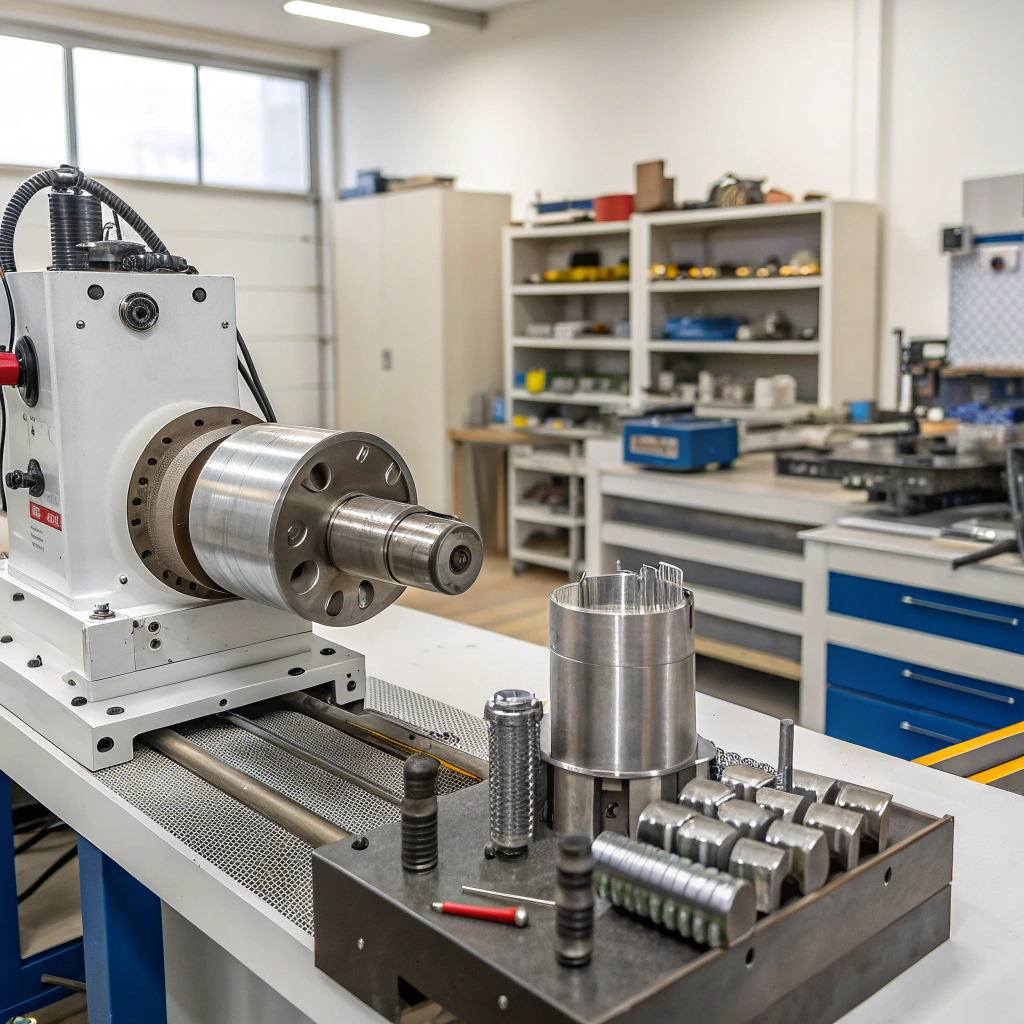
You might ask: how do we ensure soft machining achieves top speed and accuracy? Here’s how I optimise it in daily manufacturing practice.
You can optimise soft machining by adjusting material condition, tool geometry, cutting parameters, and fixturing stability.
Step 1: Define your goal
Is the machining for a prototype, low‑volume order, or pre‑hardening stage? The goal determines surface and tolerance targets.
Step 2: Select material and tools
- Machine in annealed or as‑extruded state.
- Choose high‑speed steel or coated carbide tools for soft alloys or plastics.
- Use sharp‑edge cutters to prevent smearing and burrs.
Step 3: Tune parameters
- Increase spindle speed and feed rate moderately.
- Reduce depth‑of‑cut for thin‑wall parts.
- Apply coolant carefully to control heat and chip build‑up.
Step 4: Ensure strong fixturing
Soft parts can flex under load. Use rigid clamping and support points close to the cutting zone.
Step 5: Monitor and refine
Use sensors or measurement checks to track surface finish and deformation. Modify tool path strategies to keep consistency.
| Optimization Factor | Best Practice | Common Issue if Ignored |
|---|---|---|
| Tool Sharpness | Use polished edge cutters | Burrs, poor finish |
| Fixturing | Clamp near cut zone | Vibration, distortion |
| Coolant Control | Apply mist or flood | Thermal warping |
| Feed/Speed Balance | Use medium chip load | Tool wear or chatter |
In one of our aluminium CNC projects, switching to sharper tools and reducing step‑down by 20% improved both surface flatness and production speed by 15%.
What are the trends in CNC soft machining?
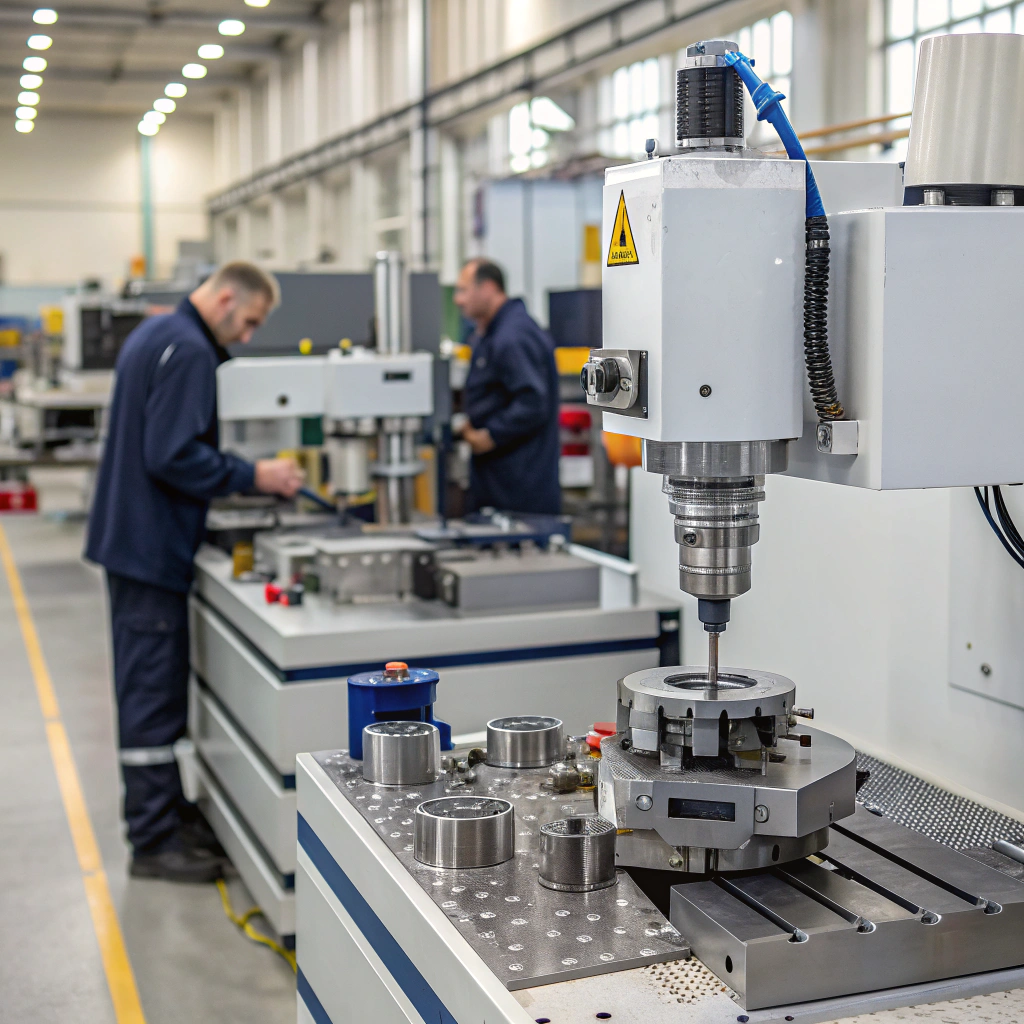
Soft machining, like every manufacturing process, keeps evolving fast. These trends are reshaping how we use it today.
The main trends include AI‑based simulation, adaptive CNC control, hybrid machining, digital integration, and sustainability focus.
1. Simulation & AI planning
AI now predicts tool wear, vibration, and deformation in advance, helping operators fine‑tune tool paths. This cuts trial time and scrap rates.
2. Adaptive CNC machines
CNC systems with torque sensors and smart feedback loops automatically adjust feed and spindle speed during operation, improving quality and consistency.
3. Hybrid materials and workflows
Soft machining is paired with additive manufacturing or composite processing for aluminium, magnesium, and polymer blends. This improves part strength and cost‑to‑weight ratios.
4. Automation and digital twins
Robotic loading/unloading, integrated sensors, and digital twins allow 24‑hour automated soft machining, even for small batches.
5. Sustainability and lean production
Soft machining consumes less energy than hard cutting and extends tool life, making it ideal for eco‑conscious manufacturing.
| Trend | Key Benefit |
|---|---|
| AI Simulation | Real‑time parameter optimisation |
| Adaptive CNC | Reduced defect rate |
| Hybrid Materials | Lightweight & strong designs |
| Digitalisation | Faster custom production |
| Sustainability | Energy & cost reduction |
Case Example

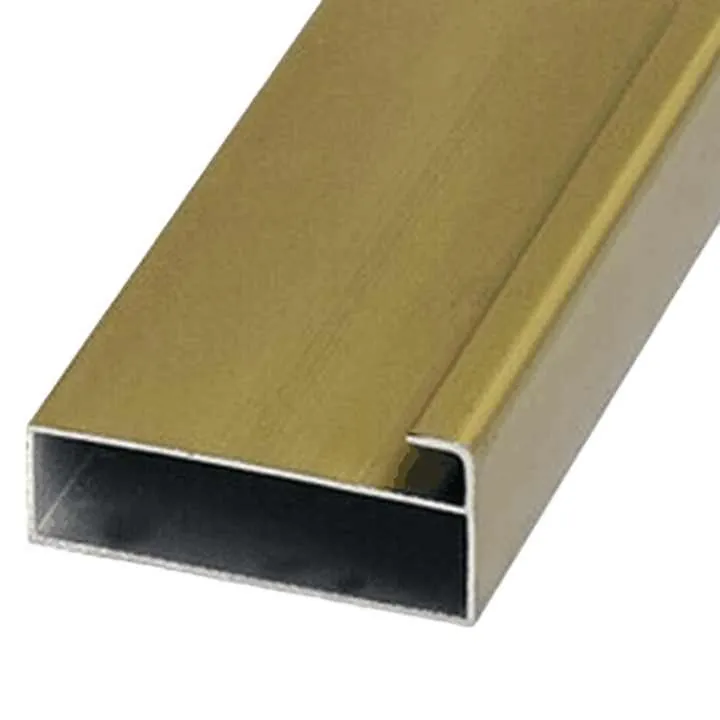
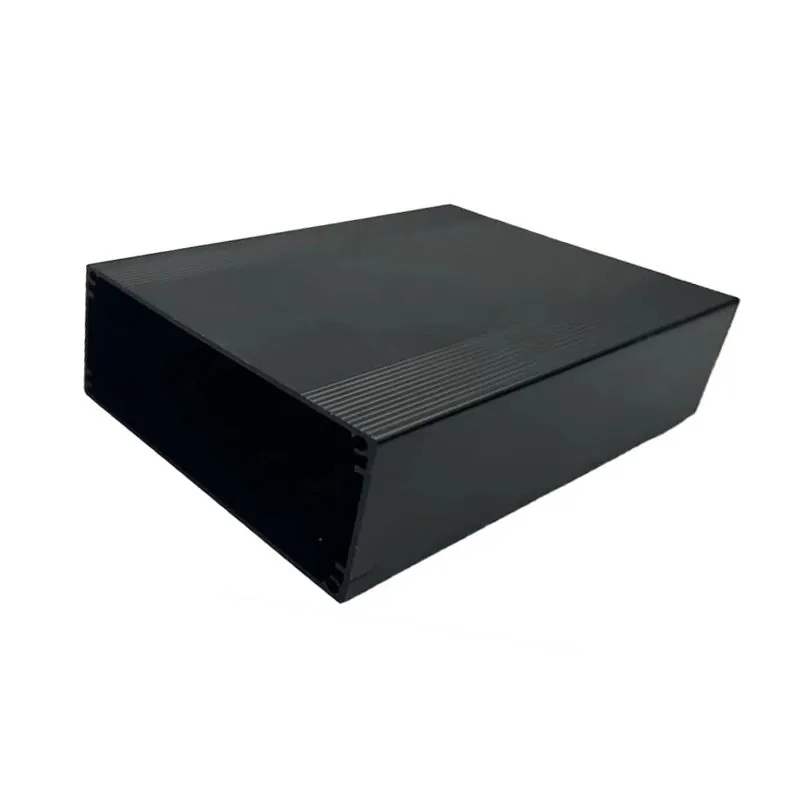
In one Sinoextrud aluminium project, we used soft machining on pre‑treated 6063‑T5 material. By machining before hard anodising, we achieved:
- 30% shorter cycle time
- Less tool replacement
- Improved precision on thin profiles
This hybrid “soft‑first” strategy became our standard workflow for export structural profiles.
Conclusion
Soft machining is the CNC process for shaping soft or unhardened materials with speed, efficiency, and flexibility. It reduces tooling cost, improves productivity, and accelerates prototyping. You can optimise soft machining through careful control of tool geometry, fixturing, and speed parameters. Modern trends — AI control, hybrid manufacturing, and sustainability — make soft machining one of the most dynamic areas in precision CNC manufacturing today.