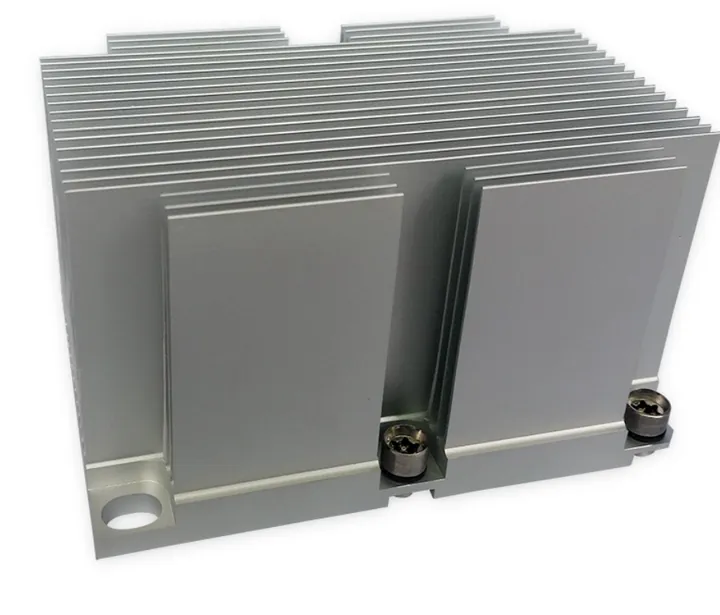
The spindle motor is like the heart of a CNC machine. Without it, cutting or drilling wouldn’t even begin.
A CNC spindle motor powers the rotating tool or workpiece. It controls speed, torque, and precision—making it essential for shaping materials accurately and efficiently.
Understanding the spindle helps you choose the right machine, improve your cuts, and avoid costly mistakes.
How does a CNC spindle rotate?
The spindle rotation looks simple—just spinning fast. But behind that motion is a powerful motor, precise bearings, and careful control that work together to keep cutting smooth and stable.
A CNC spindle rotates by using an electric motor—either belt-driven or direct-drive—controlled through a variable frequency drive (VFD) that adjusts speed in real time.
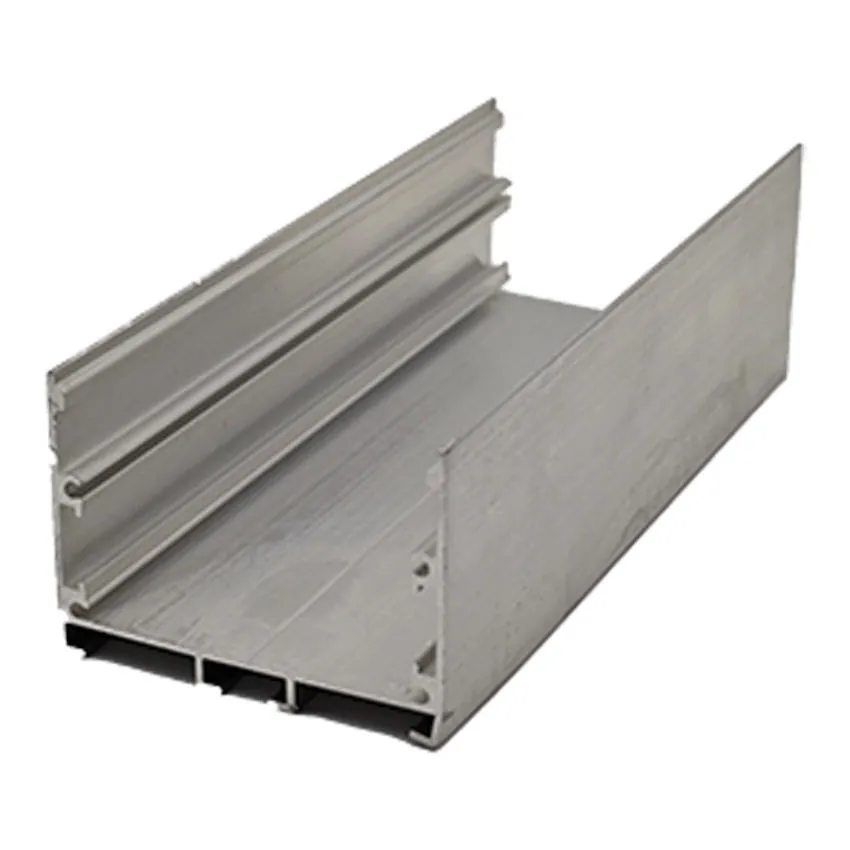
The motor can be AC or DC, and it’s connected to the spindle shaft either directly or through pulleys. A direct-drive motor spins the spindle itself. A belt-driven setup uses belts to transfer power. Both have pros and cons.
The spindle is supported by high-precision bearings that keep the shaft stable at high speed. This stability is what ensures smooth cuts and accurate paths.
Spindle Drive Types
| Drive Type | How It Works | Advantage | Limitation |
|---|---|---|---|
| Direct Drive | Motor is built into spindle | High speed, compact design | Higher cost, more heat |
| Belt Drive | Motor uses belt to spin spindle | Easy maintenance, flexible | Slight vibration, lower RPM |
| Gear Drive | Gears transfer motor power | High torque for tough cuts | Noisy, more wear |
Spindle motors usually run from 6,000 to 60,000 RPM, depending on material and operation. Soft materials use higher RPMs; harder ones need slower speeds and more torque.
The speed is managed by a Variable Frequency Drive (VFD). It allows precise control of motor speed based on cutting needs. This is key for matching tool speed to material type.
Why is spindle power important?
Not all spindle motors are equal. A weak spindle can ruin cuts, break tools, or slow down production. That’s why power and torque matter so much in CNC machining.
Spindle power determines how deep, fast, and cleanly you can cut. More power means more torque, less vibration, and better results—especially in hard materials or fast machining.
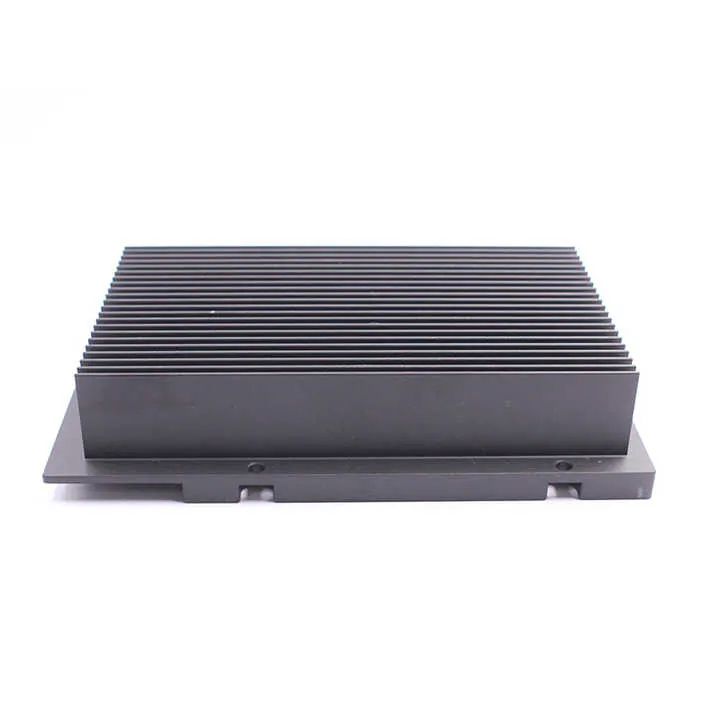
Let’s break this down:
- Power (kW or HP) affects how much work the spindle can do. High power handles thicker cuts and tougher materials.
- Torque (Nm) affects how much force the spindle can apply. More torque is needed at lower speeds, especially for drilling or roughing.
- Speed (RPM) affects surface finish and chip removal. Faster speeds suit small tools and soft materials.
Spindle Performance Factors
| Parameter | Impact on Machining |
|---|---|
| High Power | Faster material removal, thicker passes |
| High Torque | Better for low-speed roughing, drilling |
| Speed Range | Flexibility for different materials |
| Thermal Stability | Keeps precision during long operations |
If you cut aluminum profiles, a 5.5kW spindle may be enough. For steel or deep pockets, you might need 11–15kW or more. Choosing the right spindle size affects everything from cut quality to machine lifespan.
Which spindles suit heavy cutting?
Heavy cutting requires strength, stability, and cooling. Not every spindle is built for that. Choosing the right type avoids tool breakage and ensures deeper, faster cuts.
For heavy-duty cutting, spindles with high torque, low-speed strength, and advanced cooling—such as gear-driven or high-torque direct-drive spindles—are best.
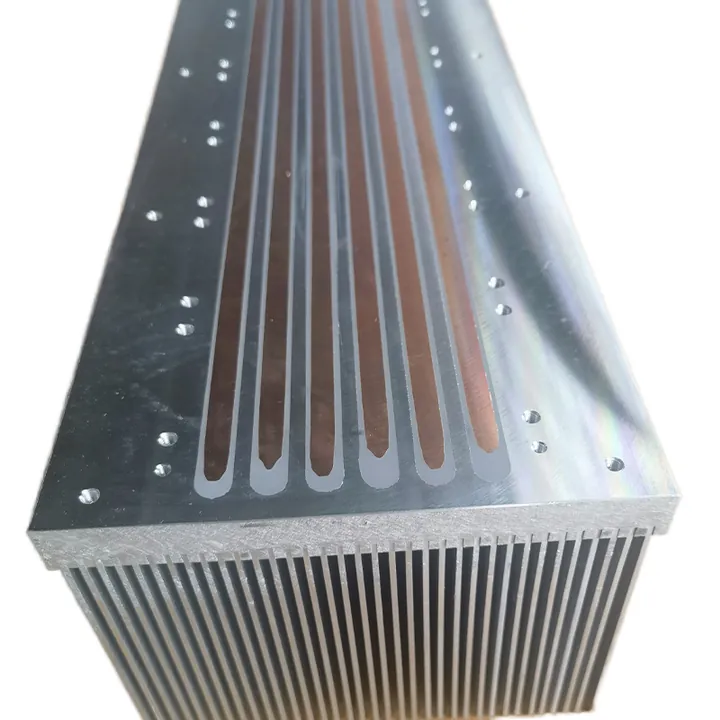
In hard materials like steel, titanium, or cast iron, the cutting forces are strong. If your spindle lacks torque, the tool can chatter, deflect, or wear out fast.
Ideal Spindle Specs for Heavy Machining
- Power: 11 kW (15 HP) and above
- Torque: 50–150 Nm
- RPM Range: 0–12,000 is typical
- Drive Type: Gear or high-torque direct drive
- Cooling: Water-cooled or oil-cooled to manage heat
Types of High-Performance Spindles
| Spindle Type | Features | Used In |
|---|---|---|
| High-Torque Direct Drive | Strong at low RPM, smooth, low backlash | Mold & Die, Aerospace |
| Gear-Driven | High power, rugged, for tough cuts | Heavy steel or cast iron parts |
| ATC Spindles | With Automatic Tool Changer, efficient setup | Production lines, high volume |
| Liquid-Cooled Spindles | For continuous use, keeps temperature stable | Long-cycle jobs, tight tolerances |
For aluminum extrusions, a mid-range air-cooled spindle often works. But if deep grooves, thick plates, or hard alloys are involved, heavier spindles give more stable performance.
Also, consider tool diameter. Bigger tools need lower RPM but more torque. Lighter spindles may stall or overheat under that load.
Where are CNC spindles applied?
Spindle motors are used in almost every CNC process—from woodworking to aerospace. Their power and speed make them the main cutting force across industries.
CNC spindles are used in milling, drilling, grinding, engraving, and cutting operations across industries like aerospace, automotive, mold making, and metal fabrication.
Key Applications
- Milling Machines – Face milling, contouring, pocketing
- Router Tables – Sign making, furniture, panels
- CNC Lathes – Turning with live tooling
- Engraving Systems – Logos, serial numbers
- EDM & Grinding – Ultra-precise cuts and finishes
Industries Using CNC Spindle Motors
| Industry | Application |
|---|---|
| Aerospace | Titanium parts, engine components |
| Automotive | Cylinder heads, gearboxes, frames |
| Mold & Die | Core and cavity machining |
| Aluminum Extrusion | Profile cutting, end milling, hole drilling |
| Furniture | Carving, joinery, shaping |
| Signage | High-speed engraving, contour cutting |
For example, in aluminum profile fabrication, CNC spindle motors handle multiple steps: end milling, notching, slotting, and drilling. A 4–6kW spindle with high RPM ensures clean, fast cuts.
In aerospace, spindles with precise RPM control and active cooling are used for high-strength alloys. In mold making, accuracy and surface finish matter most—spindles with low vibration and thermal control are preferred.
Conclusion
The CNC spindle motor drives every cut, drill, or mill operation. Its power, speed, and control shape the quality of the part and the speed of production. Whether you're doing light engraving or heavy steel cutting, choosing the right spindle is critical for performance, precision, and long-term machine health.