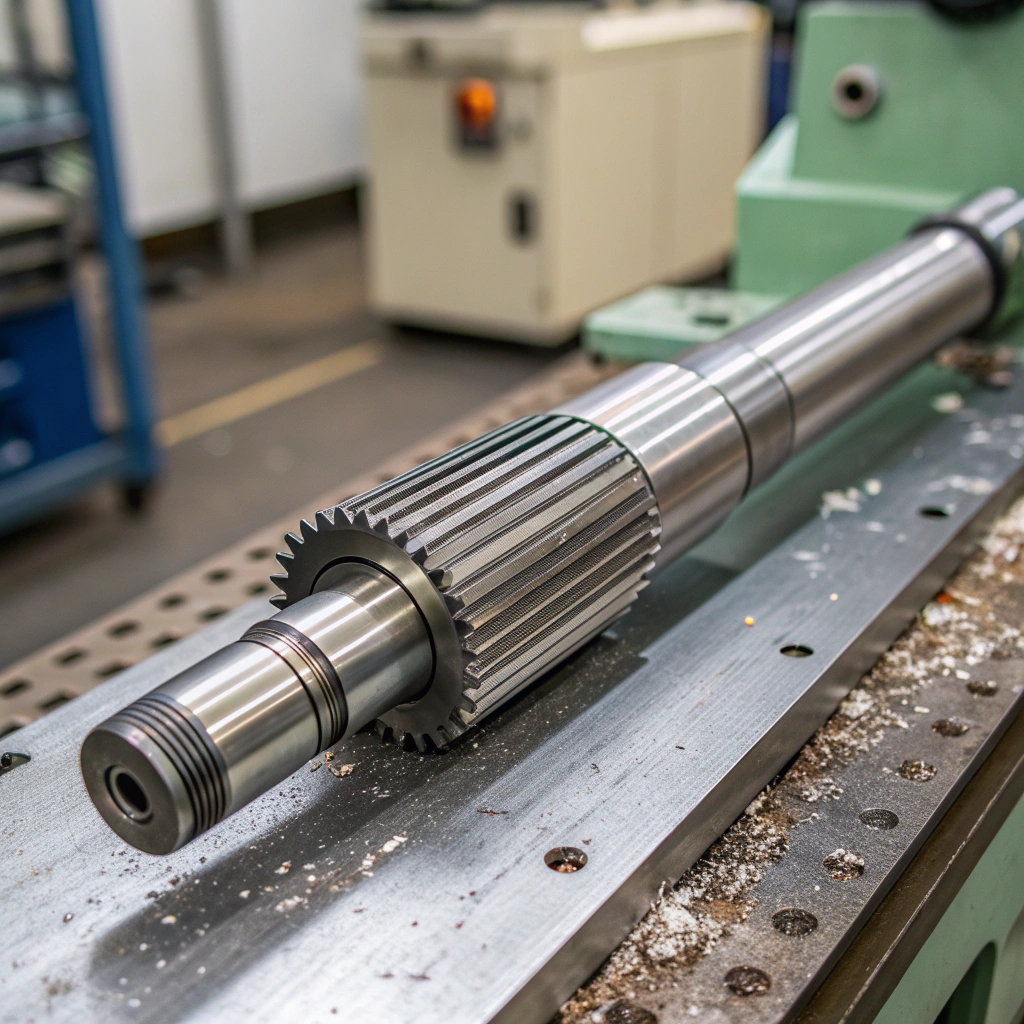
Splined shaft machining involves creating grooves or teeth (splines) on the surface of a shaft, allowing it to engage with another part, such as a coupling or gear, to transmit torque. This process is essential for various mechanical applications where parts must rotate together without slipping.
Splined shaft machining is a precision process where a series of grooves or teeth are cut into a shaft, allowing it to connect securely with other parts in mechanical assemblies, typically for the purpose of torque transfer.
If you've ever used a vehicle or operated industrial machinery, you've likely interacted with a splined shaft. This essential component plays a key role in transmitting power between rotating parts. Let’s dive into what splined shaft machining is, why it’s important, and how it’s done.
What Are the Benefits of Splined Shafts?

Splined shafts offer improved torque transmission, flexibility, and durability in mechanical assemblies, making them ideal for high-load, high-performance applications.
Splined shafts are commonly used in machinery and automotive systems because of their unique ability to handle high torque loads and facilitate efficient power transmission. Here are some of the main benefits of using splined shafts in mechanical design:
1. Efficient Torque Transmission
The primary advantage of splined shafts is their ability to transmit high torque between parts, such as gears, bearings, and other rotating components. The splines on the shaft interlock with corresponding grooves in another component, providing a secure and efficient means of torque transfer.
2. Durability and Strength
Splined shafts are often used in high-stress applications, where they provide superior strength and resistance to shear forces compared to other types of shaft connections. This makes them ideal for automotive driveshafts, industrial machinery, and other heavy-duty systems that require durability.
3. Precise Alignment and Positioning
The interlocking splines on the shaft ensure precise alignment and positioning of the connected components. This reduces the risk of misalignment, preventing damage and improving the overall performance and lifespan of the assembly.
4. Flexibility in Design
Splined shafts come in various sizes and configurations, including parallel, tapered, and helical splines. This versatility allows engineers to design mechanical systems with specific torque requirements, ensuring optimal performance across different applications.
5. Ease of Assembly and Disassembly
Splined shafts provide a reliable, tool-free method of assembly and disassembly. Components can be easily slid onto or off the shaft, making maintenance, repairs, and part replacements faster and more cost-effective.
6. Cost-Effective Manufacturing
Compared to more complex methods of torque transmission, such as keyways or custom fittings, splined shafts are a cost-effective solution. They can be produced with high precision and at relatively lower costs, especially when used in mass production.
How to Machine Splined Shafts Precisely?
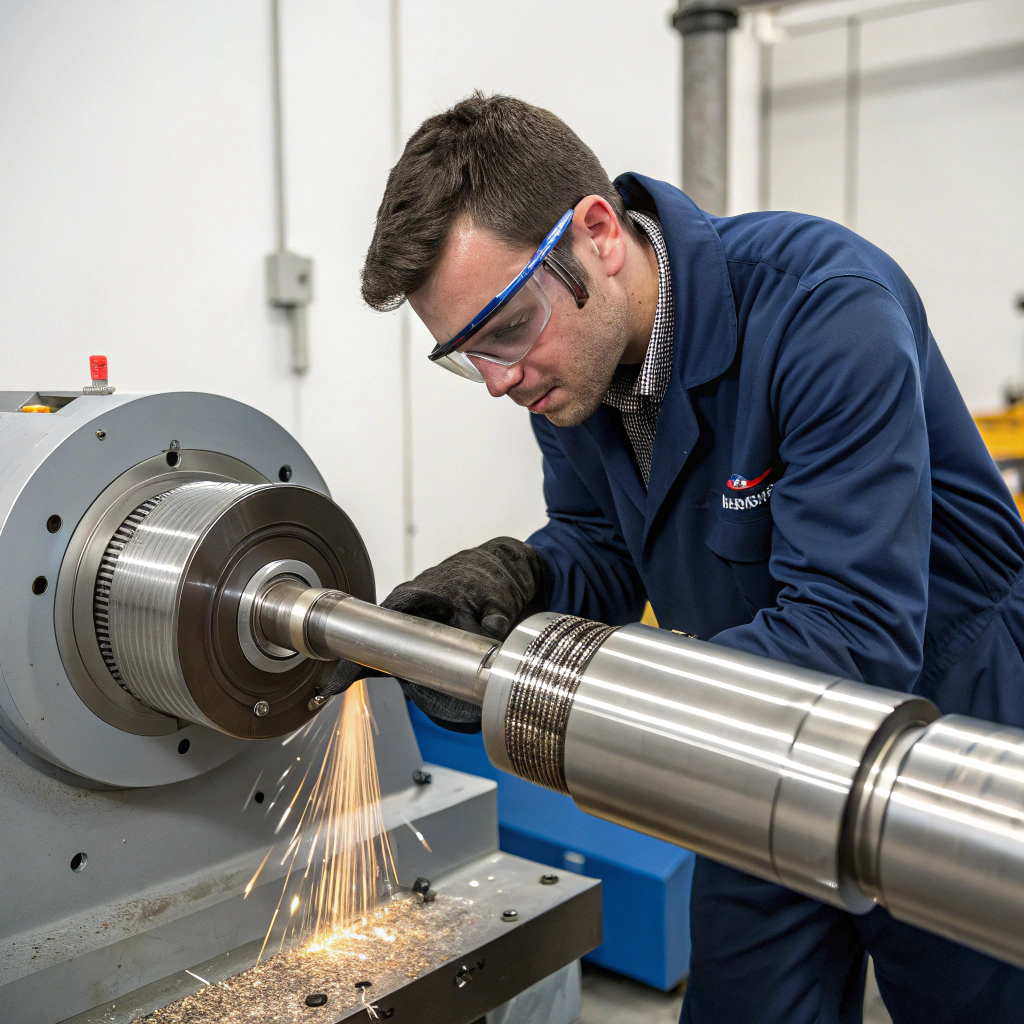
Machining splined shafts requires specialized tools and techniques to ensure precise dimensions, tooth profiles, and surface finishes for optimal performance and durability.
Precision is crucial when machining splined shafts, as even small inaccuracies can lead to misalignment, torque loss, or premature wear. Here’s a breakdown of how to machine splined shafts with accuracy:
1. Selecting the Right Material
The material of the shaft will affect the machining process. Common materials for splined shafts include carbon steels, alloy steels, stainless steel, and sometimes even non-ferrous metals like aluminum. Choosing the right material ensures the shaft has the necessary strength, durability, and resistance to wear.
2. Choosing the Appropriate Spline Type
The design of the spline – whether straight, helical, or tapered – will dictate the machining process. For example, helical splines require more advanced tooling and setups due to their angled tooth design. Straight splines, on the other hand, are simpler to machine but still require high precision.
3. Cutting the Spline Teeth
The most common methods for cutting splines include:
- Hobbing: A high-speed cutting process that uses a specialized tool (hob) to form the spline teeth.
- Shaping or Broaching: Shaping involves cutting the splines with a single-point tool, while broaching uses a toothed tool to cut the spline shape in one pass.
-
Milling: For simpler spline designs, a CNC milling machine can be used to cut the splines, ensuring accuracy and repeatability.
These methods are chosen based on factors like the spline profile (involute, straight, or helical), material hardness, and desired surface finish.
4. Achieving the Correct Spline Profile
Precision is key when machining the profile of the splines. CNC machines, which are capable of very high precision, are often used for this purpose. The shape and depth of the spline teeth must be consistent and match the corresponding part to ensure proper fit and torque transfer.
5. Surface Finishing
Once the splines are cut, the shaft typically undergoes surface finishing processes like grinding, polishing, or honing to improve the surface quality. These steps reduce friction, improve fit, and increase the longevity of the splined shaft.
6. Inspection and Quality Control
After machining, splined shafts undergo rigorous quality control checks to ensure the dimensions, tooth profiles, and surface finishes meet the required specifications. Common inspection methods include using micrometers, calipers, and dedicated spline gauges to check the fit and accuracy of the splines.
What Are the Trends in Splined Shaft Manufacturing?

Current trends in splined shaft manufacturing focus on increasing precision, improving material selection, and adopting new technologies such as automation and additive manufacturing to enhance performance and reduce costs.
As manufacturing processes continue to evolve, splined shaft production is also seeing advancements in technology and materials. Here are some key trends shaping the future of splined shaft manufacturing:
1. Automation and CNC Machining
Automation has become a key trend in splined shaft production. CNC machines equipped with advanced software allow for high-precision cutting, reducing human error and increasing production speed. Automated systems also improve repeatability, ensuring consistent quality across large production runs.
2. Advanced Material Technology
New materials and coatings are being developed to improve the performance and durability of splined shafts. For example, advanced alloy steels, heat-treated materials, and surface treatments like nitriding or coating with DLC (diamond-like carbon) are being used to enhance wear resistance, corrosion resistance, and fatigue strength.
3. Additive Manufacturing (3D Printing)
While still emerging, additive manufacturing (3D printing) is being explored as a method for producing splined shafts, especially for low-volume production runs or highly customized parts. This technology offers the ability to create complex geometries that would be difficult or costly to produce using traditional methods.
4. Smart Manufacturing and IoT Integration
The integration of smart manufacturing techniques and the Internet of Things (IoT) is becoming more prevalent in splined shaft production. IoT sensors on machines can track performance data, detect early signs of wear, and optimize production processes, ensuring high-quality manufacturing with minimal downtime.
5. Sustainability and Green Manufacturing
As industries push for more sustainable practices, splined shaft manufacturing is adapting by using more environmentally friendly materials and processes. Efforts are being made to reduce waste, recycle materials, and improve energy efficiency during the production process.
6. Tight Tolerances and Customization
As industries demand increasingly precise and customized components, manufacturers are focusing on delivering splined shafts with tighter tolerances and more specialized designs. This includes offering different spline profiles, varying tooth configurations, and custom sizes to meet specific customer needs in fields like automotive, aerospace, and robotics.
Conclusion
Splined shafts play a vital role in transmitting torque and ensuring reliable connections between mechanical parts. Their ability to provide strength, precision, and ease of assembly makes them essential in numerous industries. With trends like automation, advanced materials, and smart manufacturing, splined shaft production is becoming more efficient and adaptable to meet the growing demands of modern engineering.