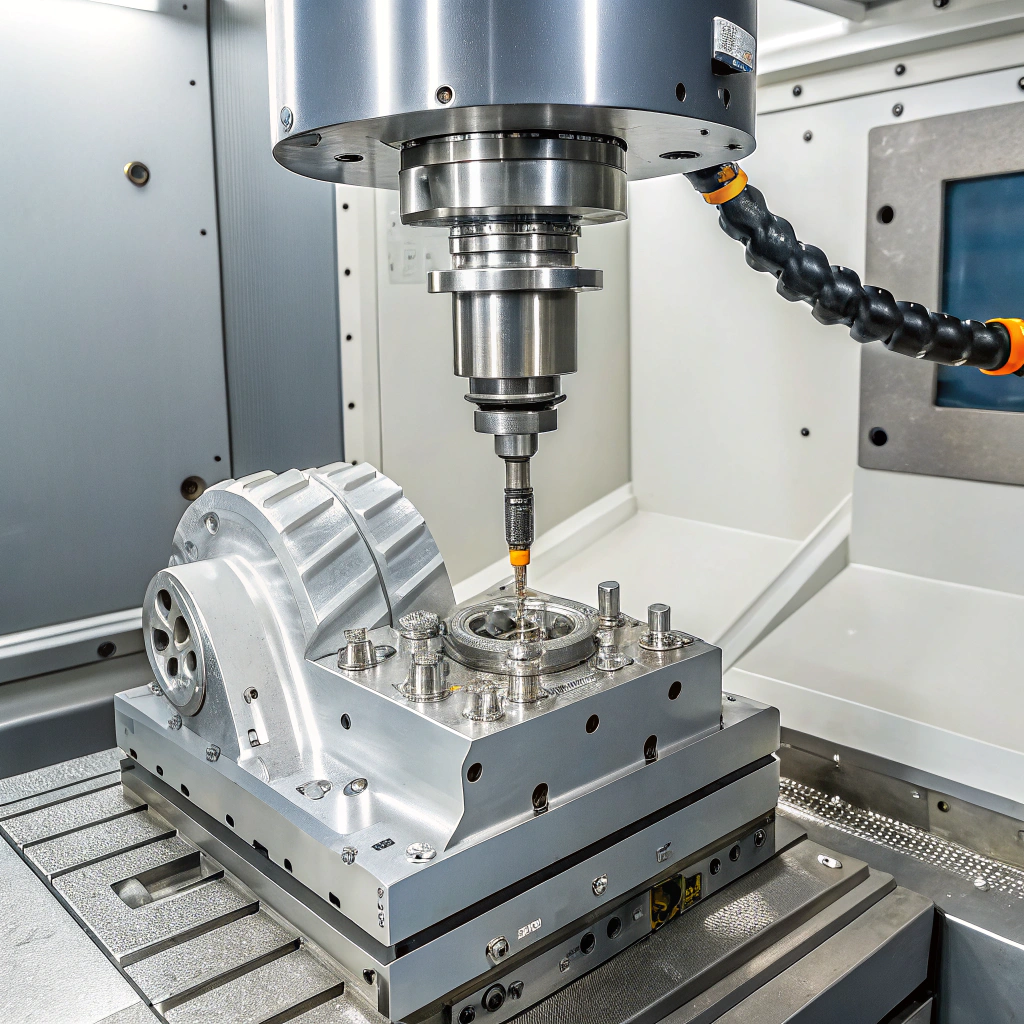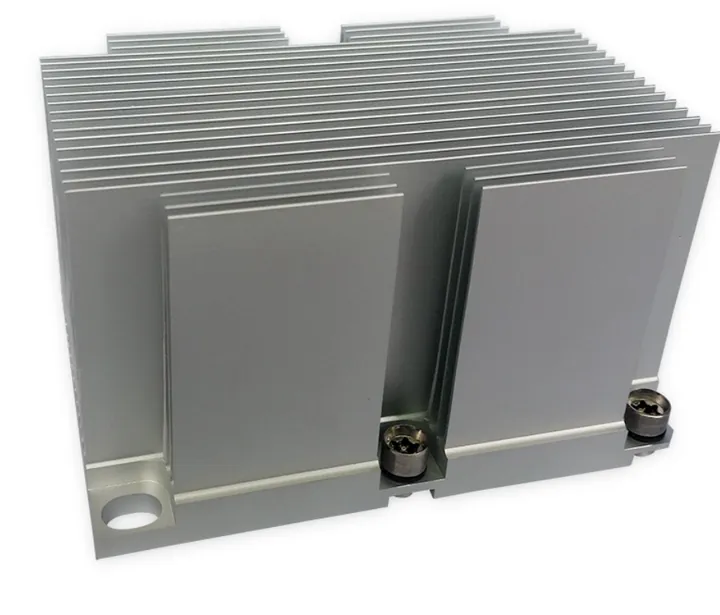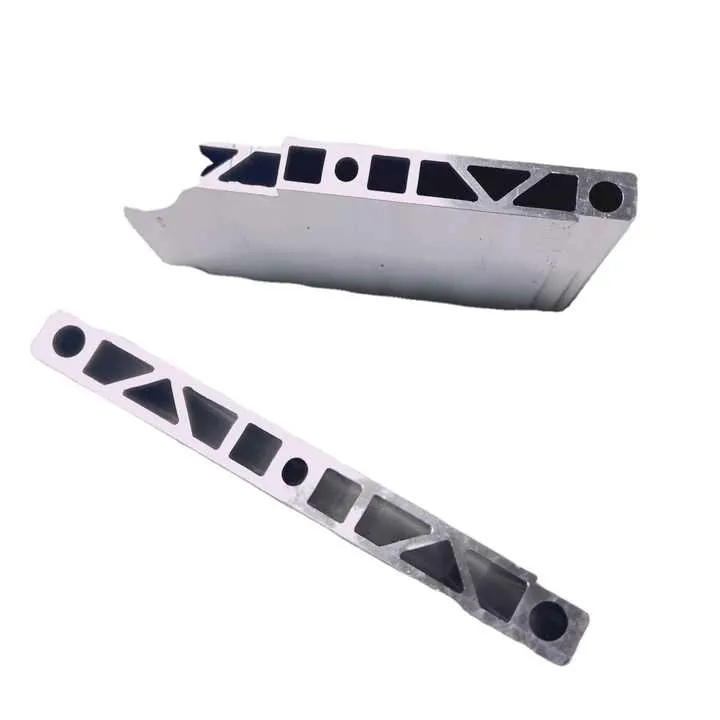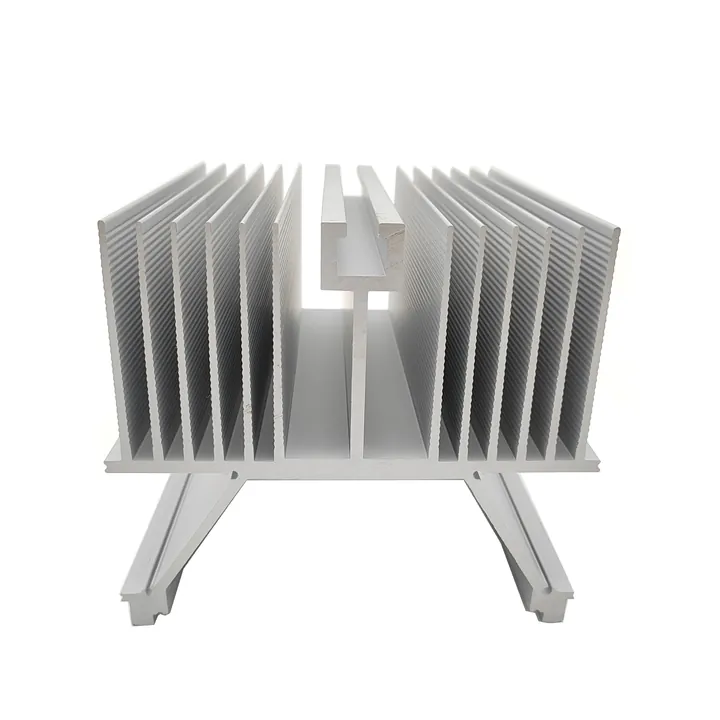

Swiss screw machining is a precision machining process used to manufacture complex, small, and highly accurate parts, typically from metals like stainless steel, aluminum, or brass. The process uses a Swiss-type lathe, which is equipped with a rotating workpiece that is fed into a set of tools. These tools cut and shape the material to create the desired part, usually with high precision and tight tolerances.
Swiss screw machining is known for its ability to create parts with intricate details and precise dimensions, making it ideal for applications in industries such as aerospace, automotive, medical, and electronics. This process is particularly effective for producing small, high-volume components like screws, pins, and bushings that require superior accuracy and consistency.
The defining feature of Swiss screw machining is the ability to move both the tool and workpiece simultaneously, which reduces the chances of tool deflection and allows for better precision when working with small, delicate parts.
What Are the Advantages of Swiss Screw Machining?

Swiss screw machining offers a range of benefits, making it a preferred method for high-precision, small part production. From improved accuracy to increased production speed, Swiss screw machining provides a cost-effective and reliable solution for manufacturers in a variety of industries.
Swiss screw machining offers significant advantages in terms of precision, efficiency, and versatility. Below are some of the key benefits of using Swiss screw machining in manufacturing.
High Precision and Tight Tolerances
Swiss screw machines are capable of producing parts with incredibly tight tolerances, often within microns. This level of precision is essential in industries like medical devices, aerospace, and electronics, where even small deviations from the intended specifications can lead to functional failures or safety concerns.
Ability to Machine Complex Parts
Swiss screw machining can handle complex geometries and intricate details that other machining methods may struggle with. The machines are capable of producing parts with multiple features, such as drilled holes, threads, and chamfers, all within a single setup. This makes Swiss screw machining highly versatile for creating parts with multiple functional features.
High Efficiency and Productivity
Swiss screw machines are designed for high-speed, high-precision production, which makes them highly efficient for producing large quantities of parts. The use of automatic bar feeders and multi-axis capabilities allows the machine to run continuously, producing large volumes of components with minimal downtime.
Reduced Material Waste
Due to the high precision of Swiss screw machining, material waste is minimized, which helps lower production costs. The ability to use raw stock material efficiently is particularly important when working with expensive metals or when producing small components where material savings add up over time.
Consistency in Production
Once set up, Swiss screw machines can produce thousands of identical parts with high consistency. This is crucial in industries that require large runs of identical parts, such as automotive or medical device manufacturing, where consistency and quality control are paramount.
Flexibility in Material Choice
Swiss screw machining can be used on a wide range of materials, from metals like aluminum, steel, and titanium to plastics and composite materials. This versatility makes it suitable for applications across different industries, including high-performance sectors like aerospace and medical.
How to Use Swiss Screw Machines Effectively?

To use Swiss screw machines effectively, it’s essential to understand the machine setup, tooling, and optimization techniques that can maximize efficiency and accuracy. Proper setup and maintenance can ensure that parts are produced with high precision and minimal downtime.
Using Swiss screw machines effectively requires careful attention to detail, including selecting the right tools, materials, and settings for the application. Here’s a guide on how to maximize the effectiveness of Swiss screw machining.
Step 1: Select the Right Material
Choosing the right material for the part being produced is the first step in the process. Swiss screw machines can handle a variety of materials, but the choice of material affects tool wear, cutting speed, and overall machining performance. For example, harder materials like stainless steel may require slower speeds and special tooling, while softer materials like aluminum can be machined at higher speeds.
Step 2: Choose the Right Tooling
Selecting the right tools for the job is essential for effective Swiss screw machining. The tools should be chosen based on the material being used, the complexity of the part design, and the desired finish. Common tools used in Swiss screw machining include turning tools, drills, taps, and thread cutters. Multi-tool Swiss machines often have the capability to perform several operations simultaneously, which helps increase productivity.
Step 3: Optimize Machine Settings
Optimizing machine settings such as spindle speed, feed rate, and cutting depth can significantly impact the efficiency and accuracy of the machining process. For harder materials, slower cutting speeds and smaller feed rates may be necessary to prevent tool wear, while softer materials can typically be machined at higher speeds.
In addition, ensuring that the workpiece is held securely in place is crucial to prevent deflection or movement during the cutting process, which could lead to inaccuracies.
Step 4: Monitor Tool Wear and Maintenance
Regular maintenance of the machine and tooling is essential to maintain optimal performance. Monitoring tool wear and replacing worn tools at the right time can help avoid production delays and maintain part quality. Swiss screw machines are capable of high-volume production, so consistent maintenance ensures that the machine runs smoothly and consistently produces accurate parts.
Step 5: Implement a Quality Control Process
Quality control is an essential part of using Swiss screw machines effectively. During production, parts should be inspected regularly to ensure they meet the required specifications. This can include dimensional checks, surface finish evaluation, and material testing. In some cases, automated vision systems or other in-process inspection tools can be used to monitor part quality in real-time.
What Are the Trends in Swiss Machining Technology?
Swiss machining technology is continuously evolving, driven by innovations in automation, tooling, materials, and machine capabilities. As industries demand higher precision, faster production times, and more complex part designs, Swiss screw machining is adapting to meet these needs.
The latest trends in Swiss machining technology focus on improving productivity, precision, and sustainability, as well as incorporating advanced automation and digitalization techniques. Below are some of the key trends shaping the future of Swiss screw machining.
Integration of Automation and Robotics
Automation is increasingly being integrated into Swiss screw machining to improve production efficiency and consistency. Robotic arms, automatic bar feeders, and part-handling systems are being used to streamline the manufacturing process, reduce manual labor, and increase throughput. This integration allows Swiss machines to run continuously with minimal human intervention, improving productivity and reducing operational costs.
5-Axis Swiss Machining
The trend toward multi-axis machines has led to the development of 5-axis Swiss screw machines. These machines can perform more complex machining operations in a single setup, increasing flexibility and accuracy. 5-axis machines are particularly useful for creating intricate, multi-feature parts that require precise machining from different angles.
Hybrid Manufacturing Technologies
Hybrid manufacturing, which combines traditional machining with additive manufacturing (3D printing), is a growing trend in Swiss machining. This allows manufacturers to combine the benefits of both technologies, such as creating complex parts with additive processes and then refining them with traditional Swiss screw machining. This hybrid approach offers more design freedom and can be used to produce parts with reduced material waste.
IoT and Data-Driven Insights
The integration of the Internet of Things (IoT) into Swiss screw machines is enabling real-time monitoring and data collection. Sensors can track machine performance, tool wear, and production speed, providing manufacturers with valuable insights into the process. This data can be used to optimize production schedules, predict maintenance needs, and improve overall machine efficiency.
Sustainable Manufacturing Practices
As sustainability becomes more important in manufacturing, Swiss screw machining is evolving to become more environmentally friendly. Efforts to reduce energy consumption, minimize waste, and optimize material use are helping make Swiss screw machining more sustainable. Additionally, the use of recyclable materials and energy-efficient machine components is gaining traction.
Conclusion
In conclusion, Swiss screw machining is an essential process for producing high-precision, small parts with complex geometries. The technology offers numerous benefits, including high accuracy, flexibility, and efficiency, making it ideal for industries that require reliable, high-quality components. As Swiss machining technology continues to evolve, automation, multi-axis capabilities, and digitalization will drive even more productivity and innovation in the field.