Tolerance stacking is a term used in manufacturing and engineering to describe the cumulative effect of individual component tolerances on the final assembly. It involves assessing how the tolerances of different parts in a system or assembly stack up, affecting the overall fit, form, and function of the final product.
Tolerance stacking occurs when multiple components with specific tolerances are assembled together, and their individual deviations from nominal dimensions add up, potentially causing a deviation in the final assembly. This can lead to parts not fitting together correctly, impacting product quality and performance.
Tolerance stacking analysis is essential for ensuring that all parts fit together within acceptable limits, even when individual components may have slight variations. It's critical in industries where precision and high-quality assembly are required, such as aerospace, automotive, and electronics.
Why is Tolerance Stacking Analysis Important?
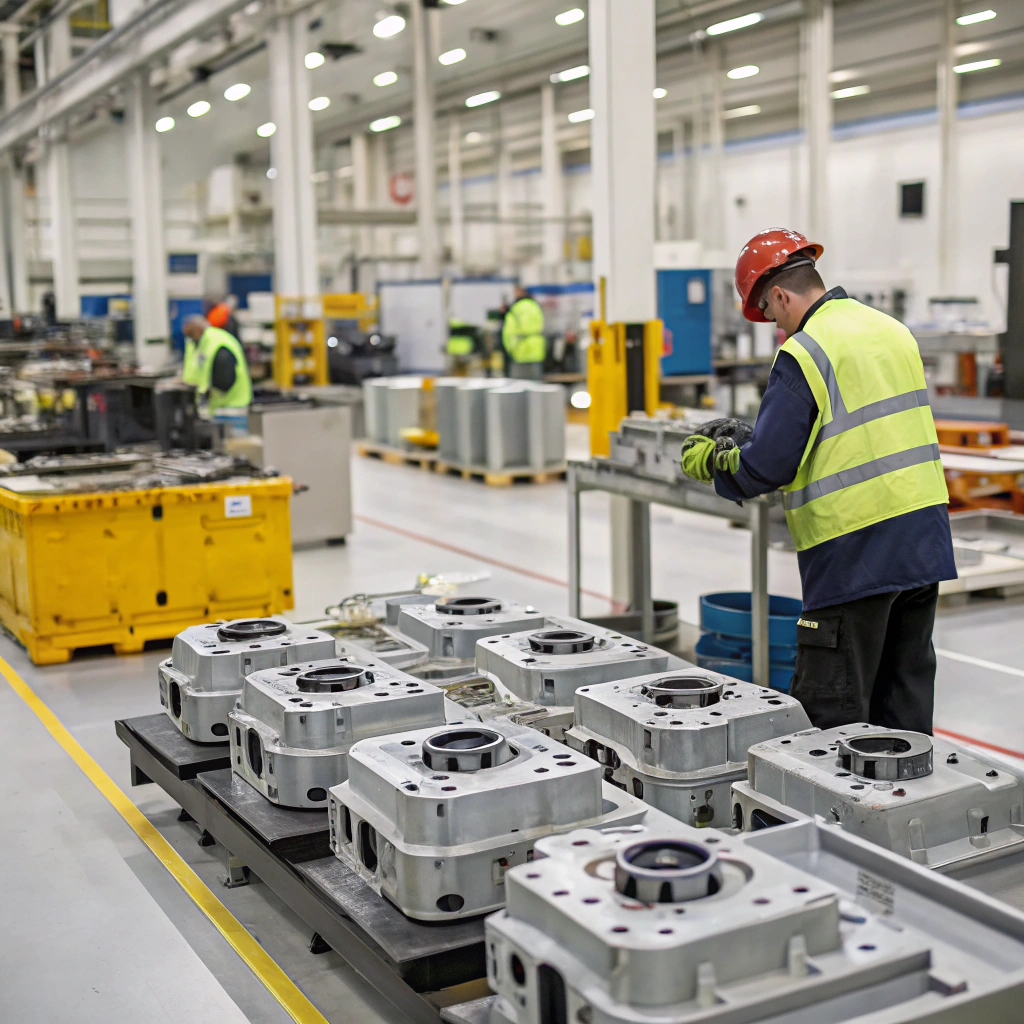
In manufacturing, even small deviations in part dimensions can lead to significant issues when those parts are assembled together. Tolerance stacking analysis helps identify potential assembly problems before they occur, saving time, money, and resources in the production process.
Tolerance stacking analysis is vital because it helps to predict and mitigate the risk of part misalignment or non-fitment during assembly. By understanding how individual tolerances affect the final product, engineers can ensure that parts are designed within acceptable limits for a proper fit and function.
Avoiding Assembly Problems
Without proper tolerance analysis, parts may be produced that seem to meet specifications individually but fail to fit together in the final product. This can lead to costly rework, production delays, and product failures. Tolerance stacking analysis can prevent these problems by providing a clear understanding of how individual variations accumulate.
Cost Efficiency
By analyzing tolerance stacking in advance, manufacturers can avoid over-engineering components or requiring unnecessarily tight tolerances that increase costs. It allows for the optimization of designs to ensure quality while maintaining cost-effectiveness, ultimately improving the overall efficiency of the production process.
Product Quality and Performance
Proper tolerance stacking ensures that the assembled product meets its required specifications, leading to improved performance and durability. It also reduces the risk of premature failures or malfunctions, contributing to better customer satisfaction and brand reputation.
How to Analyze and Control Tolerance Stacking?
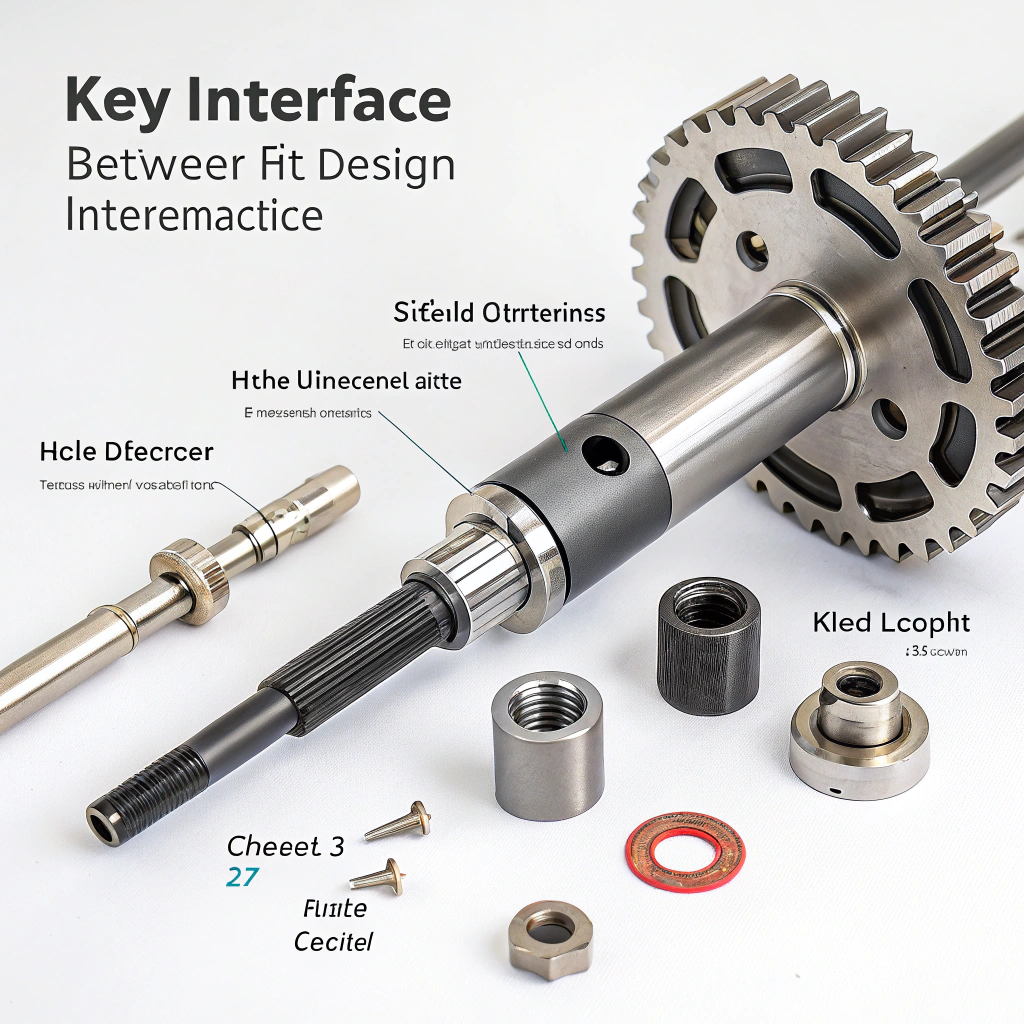
To analyze and control tolerance stacking effectively, manufacturers use various methods and tools. By understanding how tolerances accumulate across multiple components, it becomes possible to control the impact they have on the final product and make necessary adjustments in the design phase.
Analyzing tolerance stacking involves determining how the individual tolerances of each part will combine when the components are assembled. This requires knowledge of the parts' dimensions, how they fit together, and the effects of their tolerances on the final assembly.
Steps in Tolerance Stacking Analysis
-
Identify Critical Dimensions
Start by identifying the key dimensions in the assembly that will impact fit and function. This may include hole diameters, shaft lengths, or other key interfaces between parts. -
Determine Individual Tolerances
Each part in the assembly will have its own set of tolerances. These tolerances must be collected for each dimension and understood to determine their potential cumulative effect. -
Use Statistical Methods
Statistical tools, such as the Monte Carlo simulation, are commonly used to predict how the tolerances of various components will combine. This technique helps in understanding the probability of certain deviations occurring and whether the final assembly will still meet specifications. -
Use Tolerance Analysis Software
Advanced software tools like Minitab or 3D CAD software with tolerance analysis capabilities can provide a more accurate and efficient method of analyzing tolerance stacking. These programs allow engineers to model how tolerances will stack and evaluate their impact on the final product. -
Optimization of Tolerances
Once tolerance stacking analysis is performed, engineers can fine-tune individual part tolerances to minimize the impact on the final assembly. This may involve relaxing certain tolerances that are unnecessarily tight or adjusting part designs to accommodate the expected tolerances of other components. -
Iterative Testing
After optimizing tolerances, it's essential to test and verify that the assembly meets all functional requirements. This step may involve building prototypes or conducting physical testing to ensure the product is within acceptable limits.
Common Methods for Tolerance Control
- Worst-Case Analysis: This method assumes that all tolerances will accumulate in the worst possible way (i.e., all variations will add up). It's simple but conservative, often leading to over-engineering.
- Statistical Tolerance Analysis: This approach uses statistical methods to predict the likelihood of part tolerances combining in a way that affects assembly. It’s more efficient than worst-case analysis and often results in more relaxed tolerances.
| Method | Advantages | Disadvantages |
|---|---|---|
| Worst-Case Analysis | Simple to apply, ensures minimum fitment | Can lead to over-engineering, higher costs |
| Statistical Tolerance Analysis | More realistic, reduces over-engineering risk | Requires statistical expertise and software |
What Are the New Trends in Tolerance Stacking Methods?
The traditional methods of tolerance analysis, like worst-case and statistical analysis, have served manufacturers well. However, as technology advances, new trends and techniques are emerging to improve the precision, efficiency, and cost-effectiveness of tolerance stacking analysis.
New trends in tolerance stacking methods involve leveraging advanced technologies like artificial intelligence (AI), machine learning, and more sophisticated simulation tools to predict and control tolerances. These new methods promise to enhance the accuracy and reduce the complexity of traditional approaches.
Artificial Intelligence and Machine Learning
AI and machine learning algorithms are increasingly being integrated into tolerance analysis. These systems can process large amounts of data from multiple parts and predict how tolerances will interact in real-time. By continuously learning from the data, AI can refine tolerance predictions and recommend adjustments for improved fit and function.
3D Tolerance Simulation
With the advent of advanced 3D CAD and simulation software, manufacturers can now simulate entire assemblies in virtual environments before physical production. These tools allow for a more accurate representation of how parts will fit together, providing a better understanding of tolerance stacking and enabling real-time adjustments to designs.
Advanced Statistical Tools
Newer statistical tools are more robust and capable of handling large, complex datasets. Monte Carlo simulations, for example, have become more accessible and refined, offering better predictions of how tolerances will accumulate in complex assemblies.
Integrated Design and Manufacturing Software
Today, many manufacturers are adopting integrated design and manufacturing systems that allow for real-time tolerance analysis within the design environment. This integration helps engineers adjust tolerances dynamically during the design phase, improving both design efficiency and product quality.
Conclusion
In conclusion, tolerance stacking is a crucial concept in manufacturing, ensuring that parts fit together properly to form a functional product. Tolerance stacking analysis helps prevent costly production errors, optimizes costs, and ensures product quality. By using advanced tools and methods such as AI, 3D simulations, and statistical analysis, manufacturers can better control tolerance stacking and create products that meet the highest standards of performance.