Putting CNC machines in random shops can cause wrong choice or waste of money. Many companies do not know where CNC fits best. That can lead to low quality or slow work.
CNC machines are used in many fields from metal to wood to plastic. They serve factories that need speed, precision and repeat work across parts.
Keep reading to see how CNC use changes by case, why factories pick CNC, which sectors rely on CNC, and where CNC boosts productivity.
How do CNC applications vary?
Machines that all called “CNC” do very different jobs in real life.
CNC applications vary depending on material, job size, and need: they can cut metal, carve wood, mill plastic, or do fine engraving — each job uses its own CNC setup.
CNC stands for “computer numerical control.” That means a computer guides tools like drills, routers, or lasers to shape material. The material and the goal change what CNC does. I break this into a few main kinds below.
CNC for metalworking
Many CNC machines cut, mill, drill, or turn metal. Metal parts need high strength and precise shape. CNC mills and lathes shape aluminum, steel, or other alloys. These parts may go to machines, vehicles, or structure frames. The CNC machines follow exact commands. That leads to accurate holes, shapes, and smooth surfaces.
CNC for woodwork and composite materials
CNC also works on wood or composite boards. Woodworkers use CNC routers to cut furniture pieces, decorative panels, or signboards. The CNC helps even small shops to cut wood with high detail and repeat shapes fast. It also reduces waste because the computer plan cuts material in smart way.
CNC for plastics and soft materials
For plastics, foam, or other soft materials, CNC routers can cut, mill, or engrave. That helps make prototypes, housings for electronics, or parts that don’t need heavy strength. CNC for soft materials gives clean edges and consistent shapes.
CNC for fine engraving and shaping
Some CNC setups use lasers or small cutting tools to engrave metal, wood, or plastic. That suits signs, decorative objects, or small detailed parts. The computer control keeps engraving clean and exact.
Here is a simple table to show typical CNC application by material:
| Material type | Common CNC process | Typical use |
|---|---|---|
| Metal (aluminum, steel) | Milling, turning, drilling | Machine parts, structural frames |
| Wood / MDF / plywood | Routing, cutting | Furniture, cabinets, signboards |
| Plastic / foam | Routing, trimming | Prototypes, housings, soft parts |
| Mixed materials | Routing, engraving | Decorative panels, signs, custom parts |
| Metals or woods | Laser or fine engraving | Logos, plates, decorative cuts |
That table shows how CNC jobs change with material.
Because CNC can work on many materials, companies pick the right tool, tool path, speed, and setup. The same CNC brand may do metal work today and cut wood tomorrow (with correct tools). This flexibility makes CNC a strong choice.
In real use, engineers or workers enter design specs into the computer. The CNC then follows exactly the design. That removes human error when cutting by hand. It also keeps each part identical, which is key when many parts must fit together.
CNC can work in small shops or big factories. The cost and size of CNC machine will vary. A small CNC router for wood can sit in a workshop bench. A heavy CNC milling center for metal may fill a large, reinforced floor space and need power.
Because of these variations, CNC is not a one‑size‑fits‑all. It is a set of technologies. Each technology suits a type of job and material. Choosing right CNC setup depends on what you make and what you need.
Why choose CNC in factories?
Many factories have older machines or manual workers. Those methods may work but often bring slow speed, inconsistent quality, or waste. That creates cost and frustration.
Factories choose CNC because CNC gives high precision, repeatable output, and allows complex shapes fast with less human error.
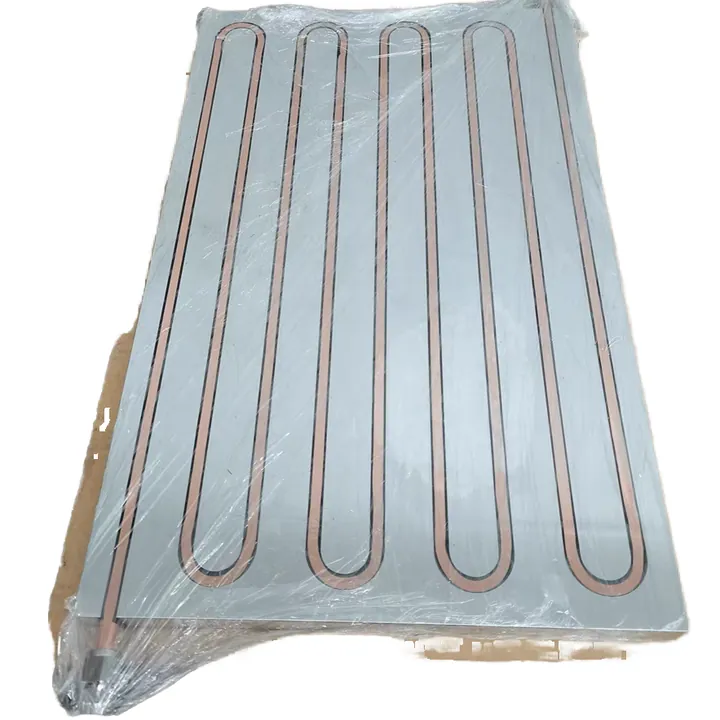
Using CNC solves many factory pain points. First, CNC keeps each part identical. That matters when you assemble many parts together. No need to sort good vs bad manually.
Second, CNC reduces waste. When parts are cut or milled manually, scrap is common. Humans may mis-measure or mis-cut. CNC uses exact digital designs. It cuts only what is needed. That saves raw material costs over many parts.
Third, CNC handles complex shapes. Some parts need curved surfaces, holes at strange angles, or tight tolerances. CNC does those easily. Manual work may fail or take too long. CNC ensures consistent quality.
Fourth, CNC lowers labor time and cost. Once machine is set, it runs automatically. Operators just load material or monitor. That lowers need for many skilled workers. For mass production, that saves money.
Fifth, CNC improves safety. Cutting metal or wood manually can produce sharp pieces, dust, or sparks. CNC machines are enclosed or have guards. Operators stay away from direct tools. That lowers accidents.
Below is a table summarizing major benefits for factories:
| Benefit | What it means in factory |
|---|---|
| Precision & Accuracy | Each part matches exactly the design |
| Consistency | All parts are identical |
| Material saving | Less waste, lower raw cost |
| Complex geometry | Can do shapes hard for manual tools |
| Lower labor cost | Less need for many skilled workers |
| Safety | Less direct exposure to tools |
With these benefits, CNC becomes not just a tool, but a foundation for modern manufacturing. Factories that adopt CNC often outperform those using old methods.
Which sectors rely on CNC?
Many industries depend heavily on CNC. Some use it for parts, some for prototypes, others for full products.
Sectors from automotive to furniture to medical devices rely on CNC for making precise components, complex shapes, or mass-produced parts.
Here are some key sectors and how they use CNC:
Automotive and transport
Vehicles need many metal parts: engine parts, chassis, brackets, wheel rims, interior elements. CNC milling and turning machines make these parts. Factories produce identical parts. That keeps cars safe and reliable.
Aerospace and defense
Aircraft and defense machines require high precision parts. CNC makes components with tight tolerances. Aluminum frames, engine components, brackets, housings, all come from CNC. The demands for precision are high because safety matters.
Electronics and hardware
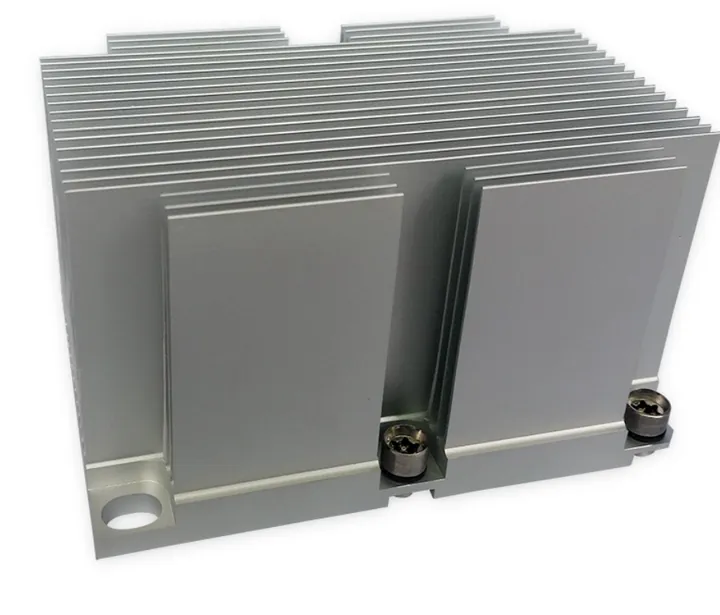
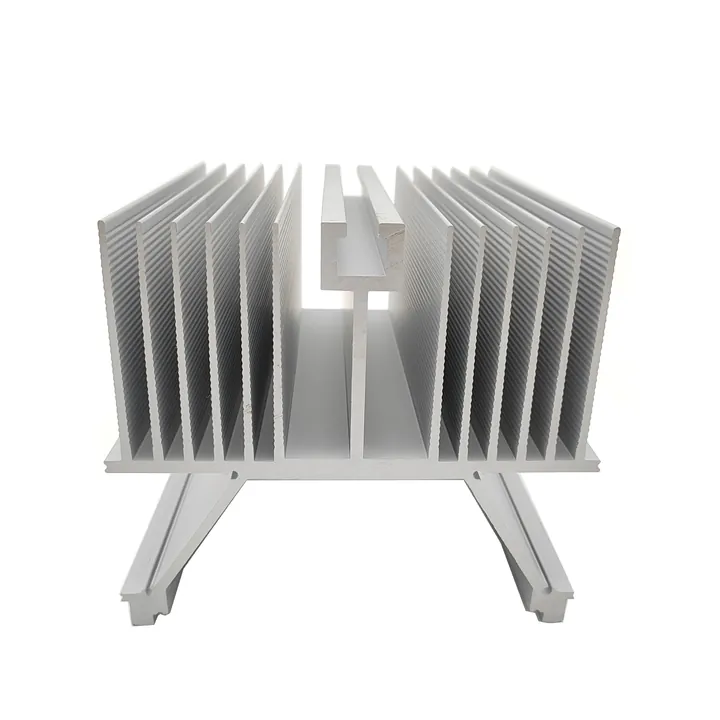
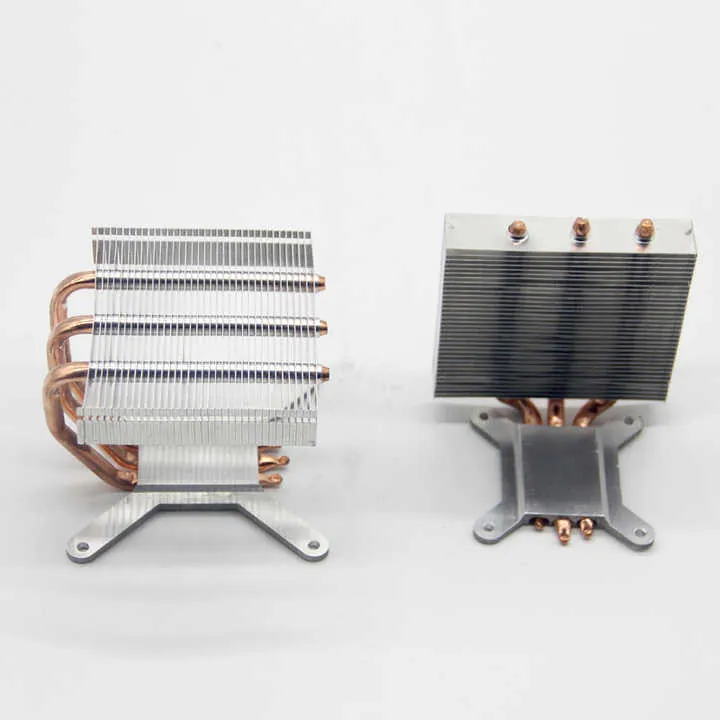
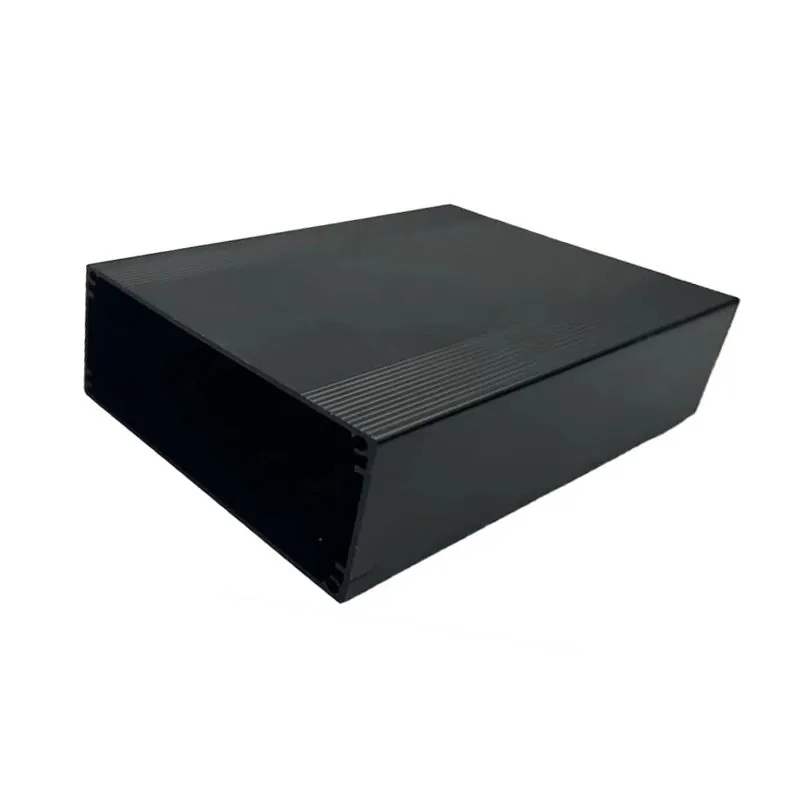
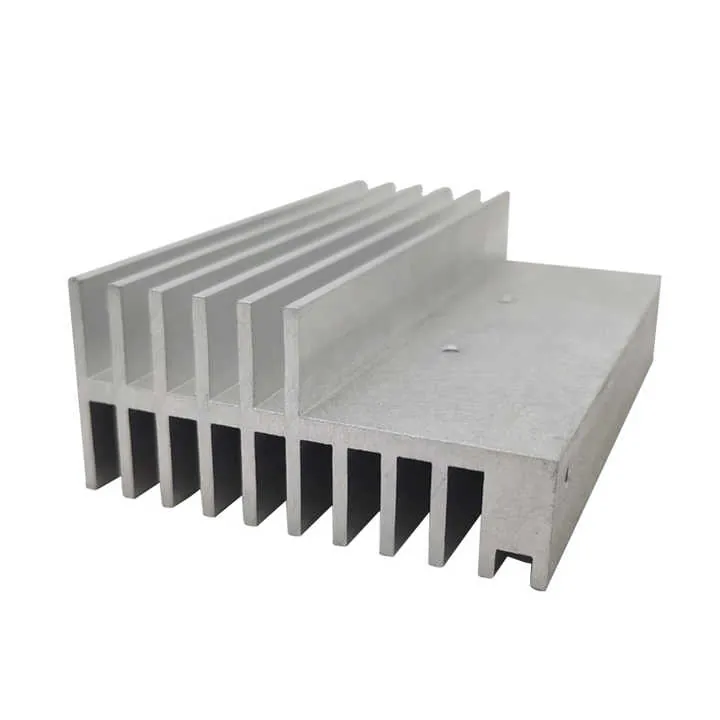
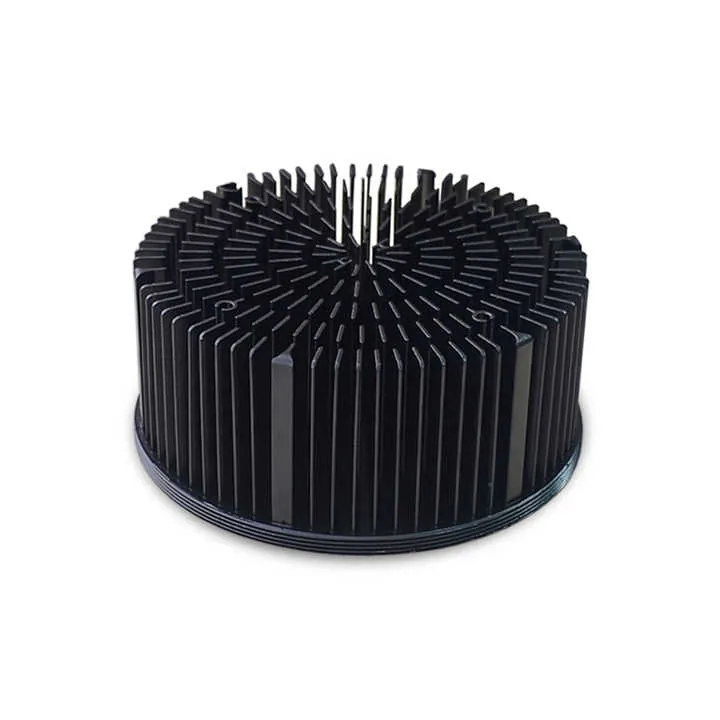
Small parts for electronics — like casings, heat sinks, enclosures — come from CNC. Factories cut plastic or aluminum precisely. That ensures parts fit circuit boards and protect electronics.
Furniture and woodwork
Furniture makers use CNC routers to cut wood panels, design detailed shapes, and produce many items fast. Custom furniture makers also use CNC to create unique designs quickly.
Medical and healthcare devices
Medical devices often need custom metal or plastic parts. CNC helps produce prosthetics, surgical instrument parts, or equipment housings. The precision and repeatability ensure safety and compliance.
Construction and architectural products
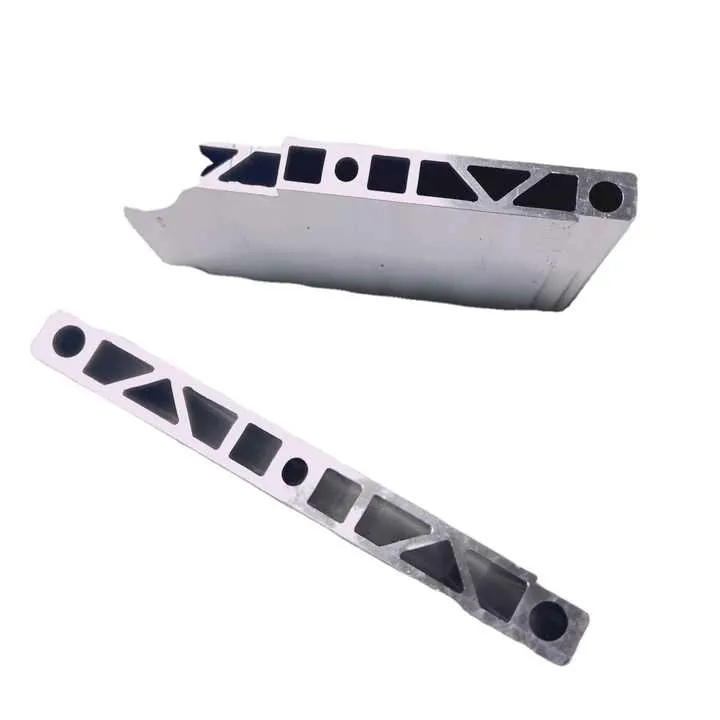
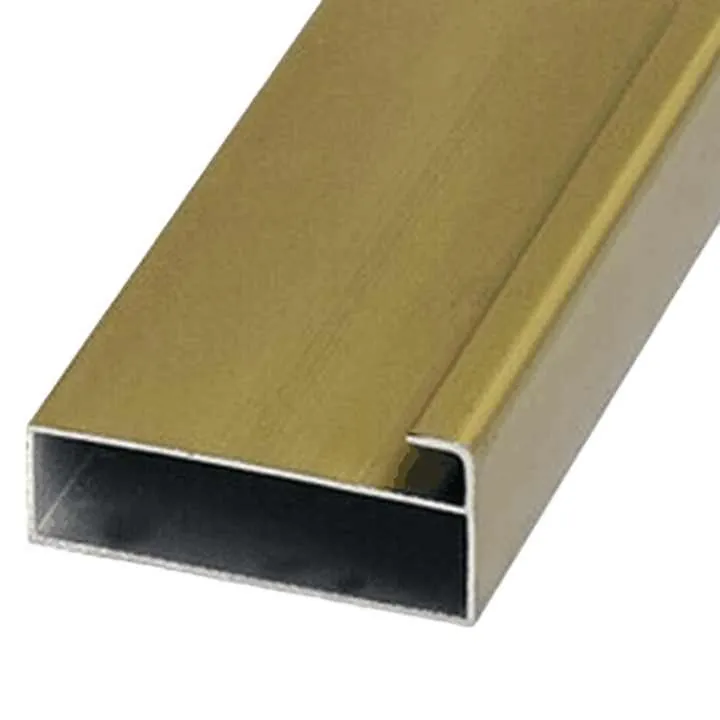
Aluminum profiles, metal connectors, decorative panels often need exact shape and consistency. CNC produces building parts, frames, metal connectors or fixtures that go into buildings or windows.
Consumer products and tools
Everyday products like tools, hardware parts, custom components can go through CNC. Small firms can make short runs of custom parts. CNC decreases cost and increases speed.
These sectors show variety. Some need large metal parts (automotive, aerospace). Others need smaller, detailed parts (electronics, medical). Some mix materials (wood + metal). CNC supports all.
Because CNC handles many materials and job types, industries that need precision, repeatability, and efficiency tend to rely on CNC.
Where does CNC improve productivity?
Simple tools or manual work often slow down job and cause mistakes. That slows production and adds cost. CNC solves that problem.
CNC improves productivity by reducing production time, lowering error rate, and enabling faster turnaround for both prototypes and mass production.
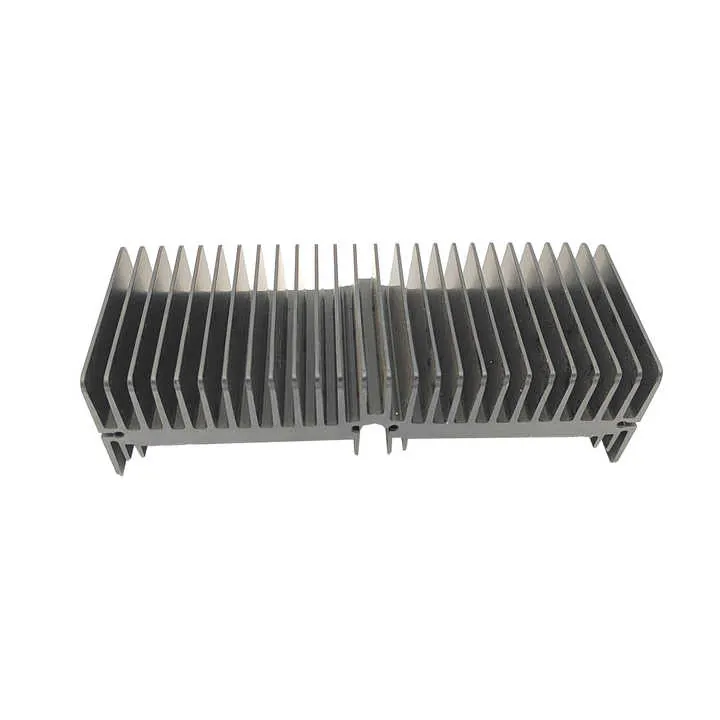
CNC helps in many ways to make work faster or smoother.
Faster setup and repeat production
Once a CNC machine is programmed, it can make many identical parts in sequence. That saves time on measuring and marking each piece manually. For example, cutting 100 identical metal brackets manually can take hours. CNC can finish them in a fraction of time.
Lower error and waste rate
Manual work often produces errors like wrong cut, wrong angle, or poor finishing. That causes scrap or rework. CNC follows exact digital plan. That lowers mistakes. Less scrap means cost saving and faster delivery.
Quicker prototyping
When designers want a new product, they can test a prototype fast. CNC can shape parts in hours or a day. That helps firms try new ideas quickly. It also helps find design flaws early before mass production.
Flexibility to switch parts
CNC can be reprogrammed quickly. If a factory needs a different part, they change the code. The same machine can then work for new series. That helps factories adapt to changing demand. They do not need new machines.
Consistent quality across batches
Quality stays the same from first part to last. That means less quality control, fewer returns due to defects. That saves time and cost in quality inspection.
Lower labor demand and better resource use
CNC needs fewer skilled workers to run. Once programmed, one operator can handle machine. That reduces labor cost. It also shifts human work from manual labor to design and supervision.
Because of these gains, CNC helps factories produce more with less cost and time. This raises overall productivity and competitiveness.
Example scenario: manufacturing metal frames
Suppose a factory needs 500 metal frames for window structures. With manual cutting and welding, workers need to measure, cut, file, test each piece. That could take many days and might produce errors. Using CNC, the factory programs the frame design once. Then CNC cuts all parts with exact dimensions. Workers only assemble. The result: faster completion, fewer rejects, stable quality.
Such productivity improvements matter a lot when demand grows or deadlines are tight. CNC gives flexibility and speed.
Conclusion
CNC machines fit many jobs across fields. They work on metal, wood, plastic, and more. They help factories cut cost, save time, and boost quality. Sectors from cars to furniture use them. CNC improves productivity by making parts fast, precise, and repeatable. For modern manufacturing, CNC is often the smart choice.