Every industry wants faster output, better quality, and lower costs. But traditional methods fall short. So how do we meet these rising demands?
CNC machining is necessary because it enables fast, repeatable, and highly precise manufacturing, especially for complex parts that require consistent accuracy and tight tolerances.
With rising automation and tighter production timelines, companies can't rely solely on manual labor. CNC machining changes the game by turning digital designs into real parts—quickly, accurately, and efficiently.
How does CNC machining improve production?
Manual production struggles with fatigue, human error, and speed limits. These factors slow everything down.
CNC machining improves production by automating the cutting and shaping process, reducing human error, speeding up cycles, and allowing 24/7 operation with consistent quality.
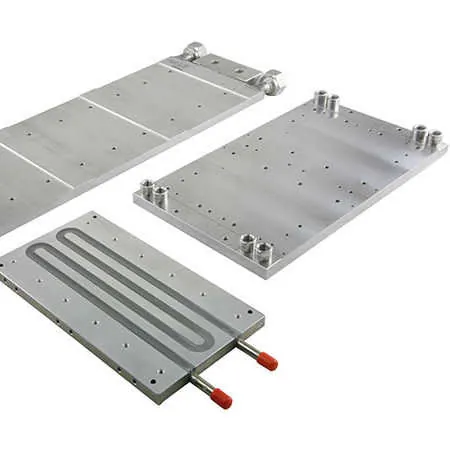
With CNC, once a part is programmed, it can be produced repeatedly with no variation. That means fewer defects, less waste, and shorter lead times. CNC machines can also run unmanned for long shifts or even overnight.
Key Production Benefits
| Benefit | Description |
|---|---|
| Automation | Reduces the need for constant human supervision. |
| Speed | Machines operate faster than manual labor. |
| Repeatability | Each part comes out identical to the previous one. |
| Scalability | Easy to scale up production without changing process. |
Real Example
In batch production, a manual operator might complete 3–4 parts per hour. A CNC machine could do 20 or more, with better accuracy. It also eliminates downtime caused by operator fatigue.
CNC systems can handle multiple tasks—milling, drilling, tapping—without stopping. Combined with automatic tool changers, this dramatically boosts throughput in busy workshops.
Why is CNC machining more precise than manual methods?
Manual tools rely on the operator’s hand stability and focus. That’s not always enough when tolerances matter.
CNC machining is more precise because it follows computer-generated paths that eliminate variation, allowing for exact movements down to microns, unlike human-controlled tools.
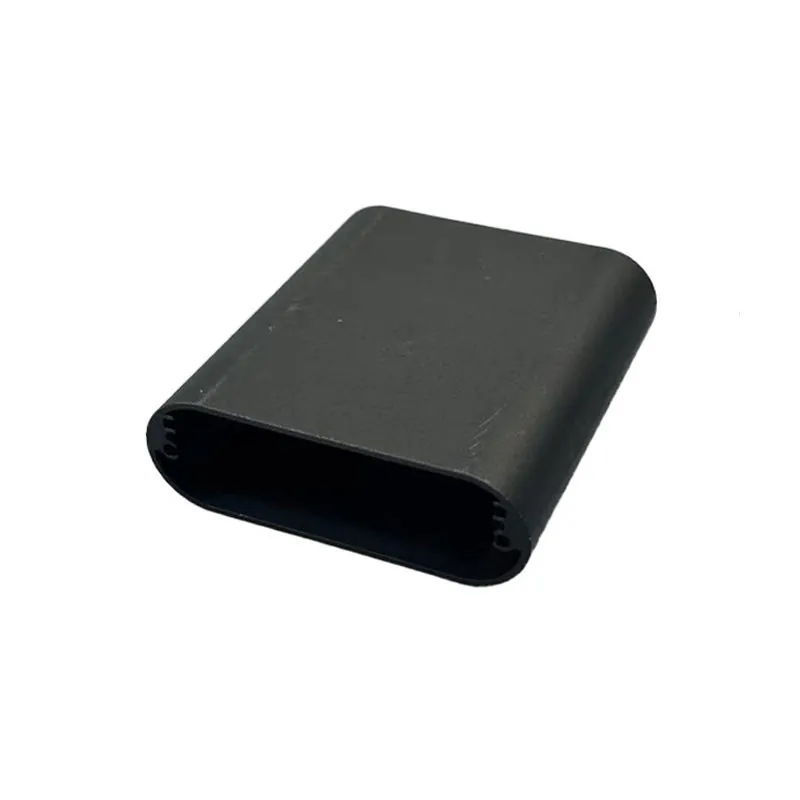
Modern CNC machines can achieve tolerances as tight as ±0.005 mm. That level of accuracy is impossible with hand tools. In industries where every millimeter counts—like aerospace or medical—CNC becomes essential.
Precision Factors
| Factor | Manual Machining | CNC Machining |
|---|---|---|
| Human error | High risk | Eliminated by automation |
| Repeatability | Low without jigs | High—identical parts |
| Complex geometry | Difficult to maintain | Achieved through programming |
| Surface finish | Depends on operator skill | Controlled and consistent |
Additional Benefits
- No need for constant measurements during operation.
- Tool offsets and calibration make fine-tuning easier.
- Software correction adjusts for tool wear and heat distortion.
These features reduce rework, scrap, and inspection time. That’s why CNC is standard in critical part production.
Which industries rely on CNC machining?
No matter the sector, quality matters. And CNC is the backbone of that quality.
Industries like aerospace, automotive, electronics, defense, and medical heavily rely on CNC machining for producing high-precision, high-performance components.
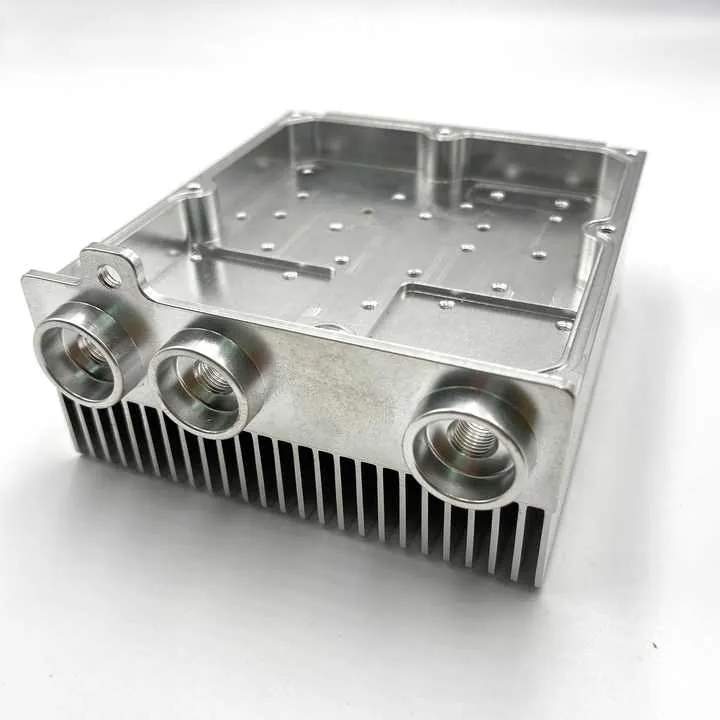
These sectors demand parts with exact tolerances, intricate designs, and reliable repeatability. CNC machines deliver that without fail.
Industries and Their CNC Applications
| Industry | Common CNC Applications |
|---|---|
| Aerospace | Engine parts, turbine blades, structural frames |
| Automotive | Transmission housings, brake components, gears |
| Medical Devices | Surgical instruments, implants, prosthetics |
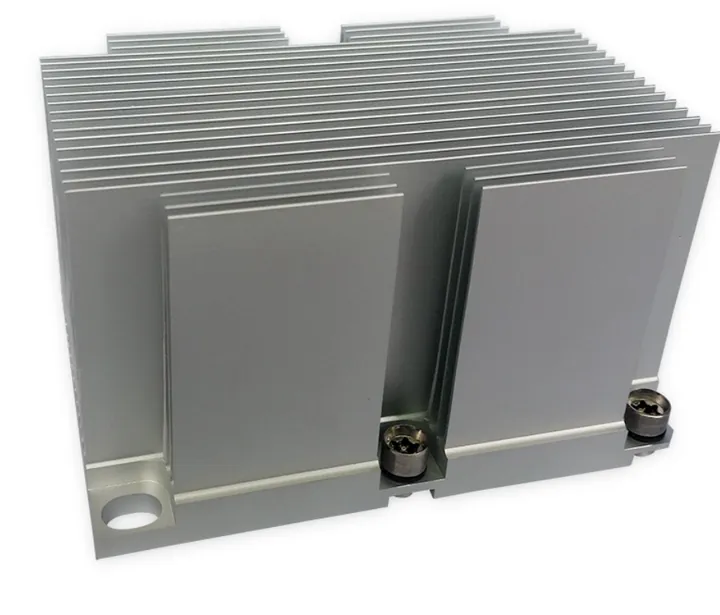
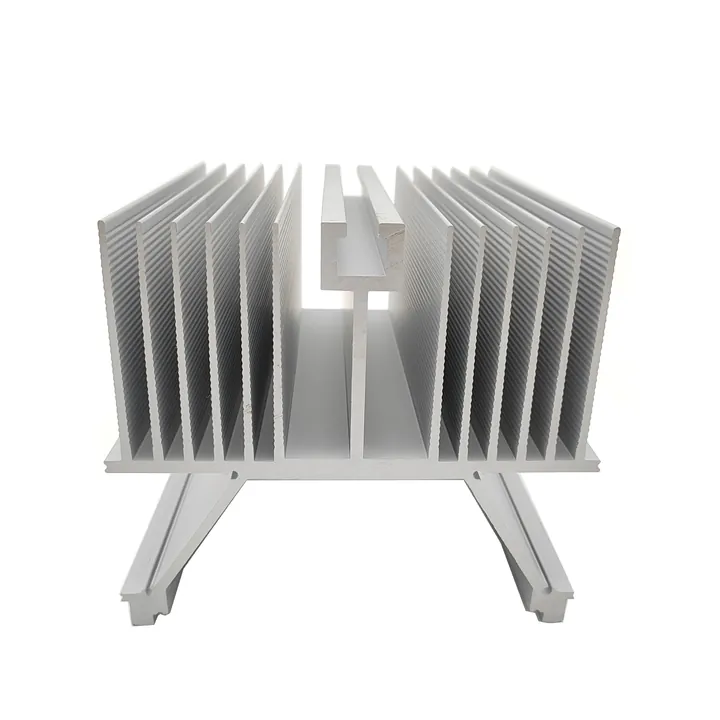
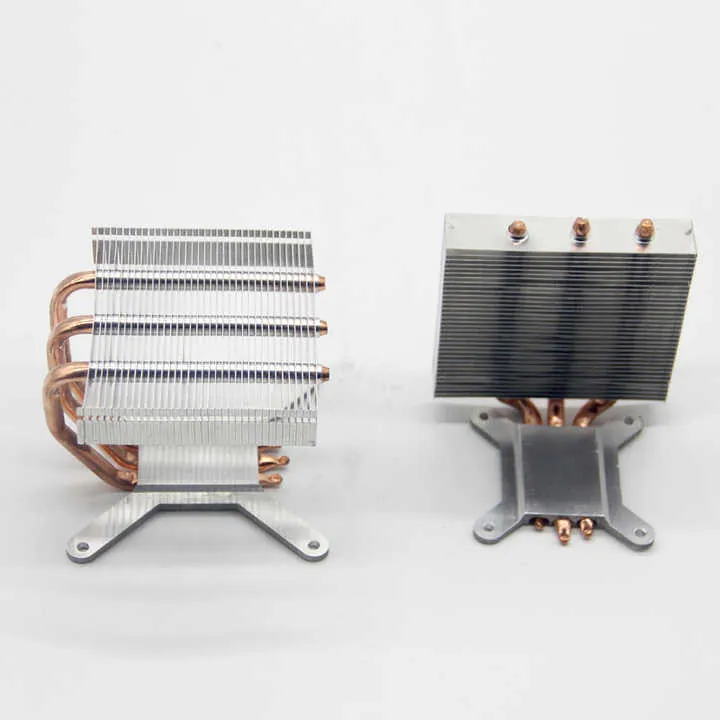
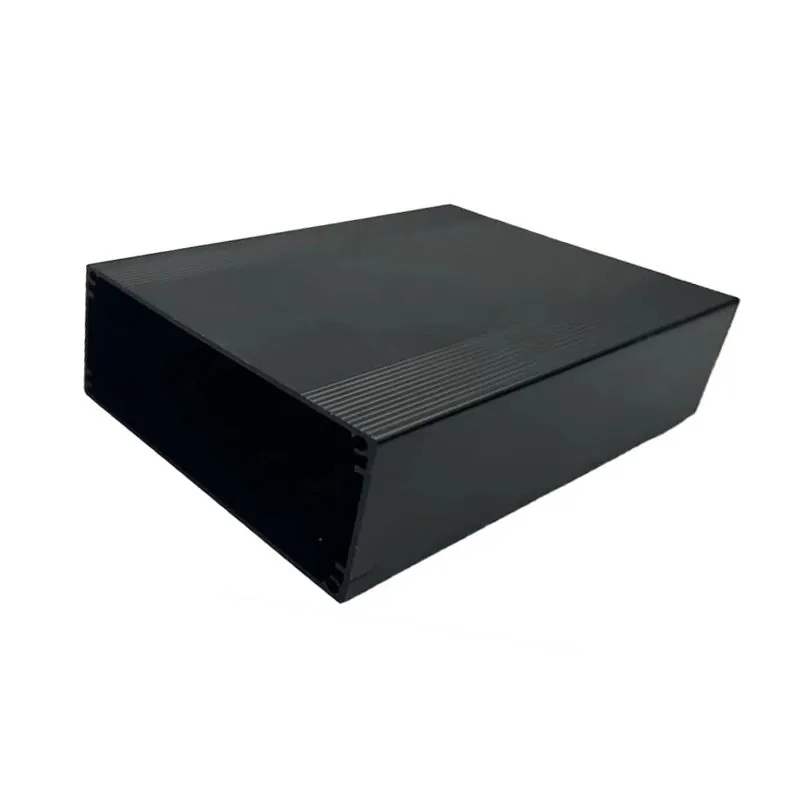
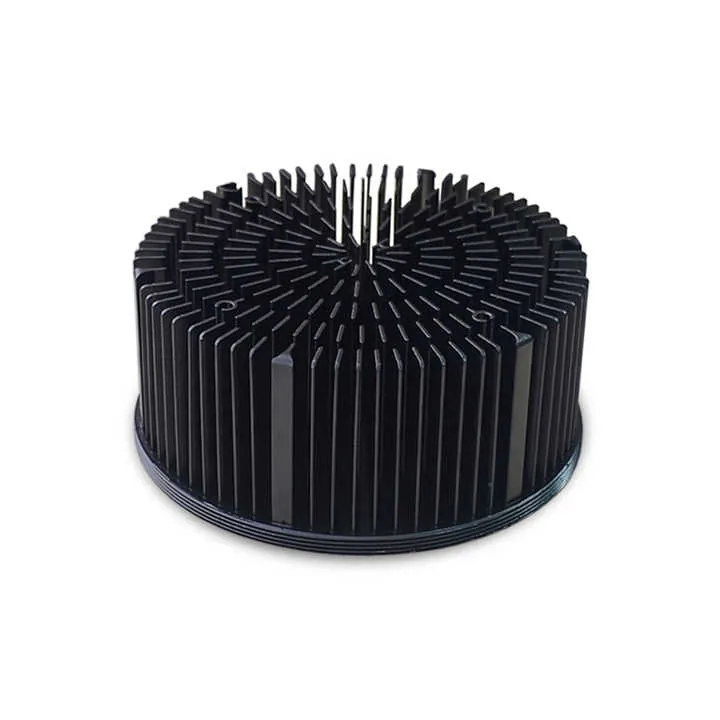
| Electronics | Enclosures, heat sinks, connectors |
| Defense | Weapon parts, vehicle armor, UAV components |
| Industrial Equipment | Shafts, housings, machine frames |
Why These Industries Depend on CNC
- Tight regulatory standards demand precise documentation and repeatability.
- Short lead times require fast prototyping and production.
- Complex shapes are difficult to make with manual tools.
In each case, CNC machining bridges the gap between design and product. It’s not just about cutting—it’s about control, reliability, and scale.
Where is CNC machining critical?
There are some jobs where failure is not an option—like keeping a plane in the air or a heart valve functioning.
CNC machining is critical in sectors where safety, accuracy, and performance are non-negotiable, such as aerospace, medical devices, high-precision mold making, and advanced electronics.

In these fields, even the smallest error can lead to system failure. That’s why they require not only tight tolerances but also traceability and quality control—areas where CNC machining excels.
Mission-Critical Applications
Aerospace
Jet engines need parts that hold under extreme heat and stress. CNC allows production of these parts with consistent tolerances, time after time.
Medical Devices
In surgeries, implants must fit perfectly. A 0.1mm mistake could cause major complications. CNC machines ensure these parts are exact.
Mold Making
Injection molds need precise surfaces to produce thousands of perfect plastic parts. CNC milling ensures cavity precision and clean finishes.
Electronics
Miniaturized parts demand consistent micro-machining. CNC mills can shape copper or aluminum parts with incredible detail.
Table: Why CNC is Critical
| Sector | Why CNC is Essential |
|---|---|
| Aerospace | High temperature, high stress |
| Medical | Safety and precision |
| Electronics | Micro-scale features |
| Mold & Die | Exact form needed for mass production |
CNC machining is not just a tool—it's a foundation of high-tech manufacturing. In these environments, you don’t get second chances. CNC ensures you don’t need one.
Conclusion
CNC machining is necessary because it makes manufacturing faster, more accurate, and more reliable. From simple parts to mission-critical components, it delivers the performance that today’s industries demand.